A scientific article by Lecturer M. M. Ali Hussein Al-Nasrawi entitled (Nasal Breathing Benefits)
05/08/2023 Share :
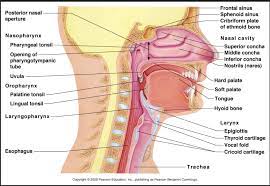
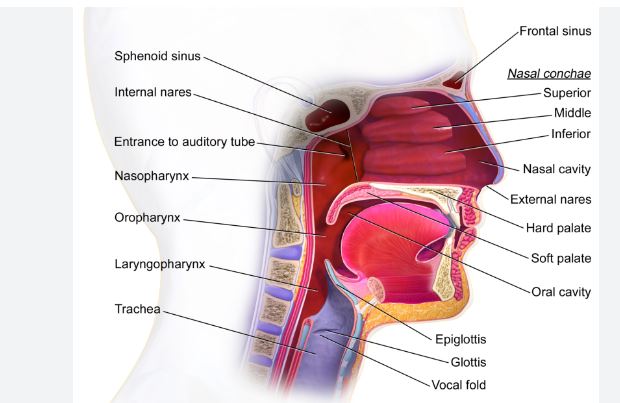
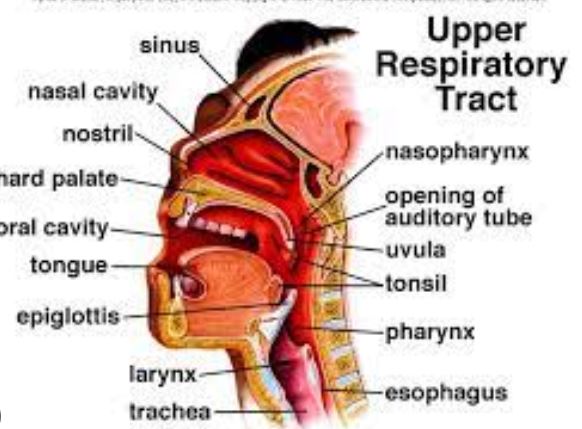
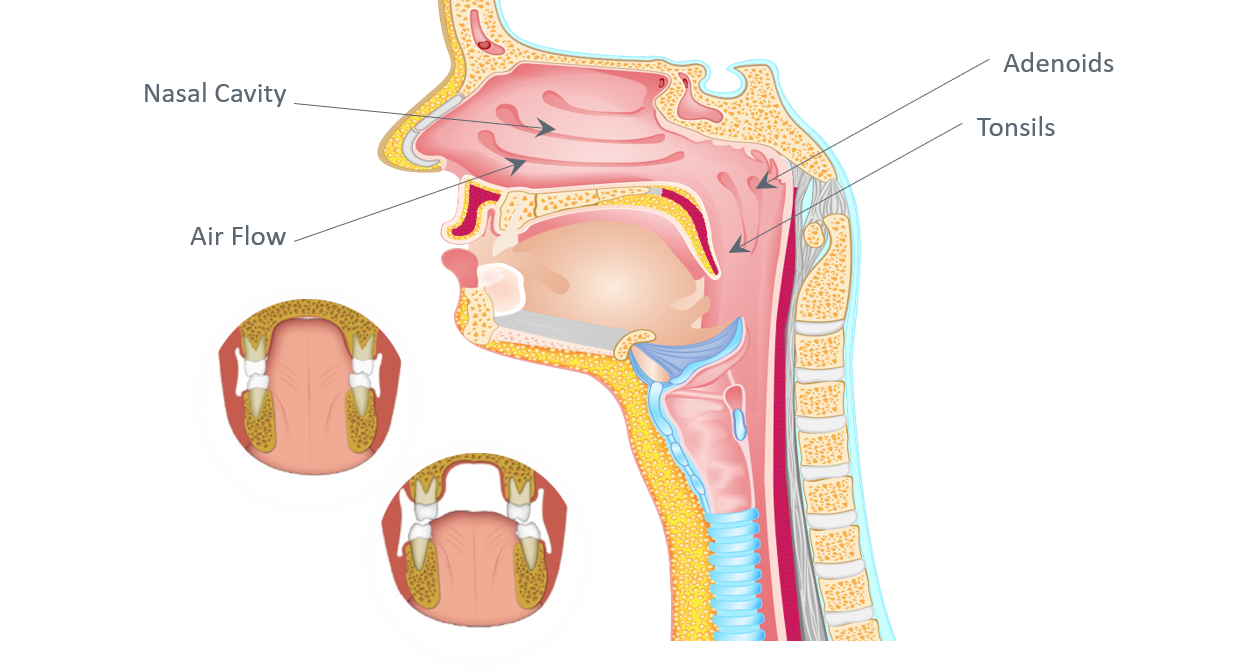
Nasal Breathing Benefits<br />keeping your mouth shut and I'm specifically talking about nose breathing . when you are sleeping and exercising which I think you're going to find quite interesting now typically when you think about nose breathing , you're probably going to think , going to be able to breathe as much percent when you breathe through your nose versus the mouth but there's some very interesting things that occur when you practice nose breathing you would think you would not get enough air but actually you do get more oxygen delivered to your tissues nose the sinuses act as a humidifier so the air as it goes into your lungs also that can actually protect the lungs because if you're breathing cold dry air that can really irritate the lungs and actually increase the risk of inflammation in your lungs secondly your nose acts as a filter to filter out particles that can end up in your lung barrier to protect the lungs against actually be effectively dealt with in the sinuses and not end up in the lungs oxygen deep into the cells so even if your blood is saturated with oxygen it doesn't mean that oxygen is going they're breathing they're breathing hyperventilating they're going to get an altered ratio of too much oxygen and not literally starving from oxygen then when they balance out their CO2 and oxygen they can actually finally breathe better because they're finally getting oxygen deep into the cells now this also parallels when people get oxygen therapy oxygen because they're literally starving their cells of oxygen when they get oxygen therapy because they have the tissues despite having this hemoglobin the protein your blood being saturated with oxygen it's just it's not going anywhere that and so one of the going anywhere that and so one of the side effects from oxygen therapy is breathing they might get chest pain coughing pulmonary edema that's swelling in your lungs twitching in the hands which I'm going to explain in a little they develop a very serious terrible side effect which is called empty nose difficult time breathing they're constantly feeling out of breath 77 of people with that symptom condition now why did I talk about that importance of sinus breathing and having to balance out oxygen with CO2 and like I think I mentioned before when you nose breathe you increase the amount of want to talk about there's a condition of low CO2 it's called hypo-capnia which you basically don't have enough carbon we're talking about the importance of triggers or causes to having this condition of a lowered amount of CO2 pulmonary disease panic attacks oxygen because of iron but also something called glycated you ever had a diabetic test called an A1C they're basically measuring the have more glycation and that protein diabetics apparently have a hard time getting oxygen and breathing and healing like people that don't have that keep their mouth shut also have higher condition where you have lower amounts called respiratory alkalosis you get muscles can't deliver oxygen because they would be laryngeal spasm you're going to be having irritation in the in the throat they'll probably have a chronic bronchospasm like spasm in their lungs like your hands and your feet and tetany your tissue that's a lot of Colossus now to a lowered amount of calcium in the blood that's called hypo-calcemia , hypo calcimia let's calcium in the blood you really irritate neurological things which is kind of similar to like peripheral neuropathy from a diabetic but this is coming from a low-level calcium in your blood also abdominal pain and difficulty breathing . Breathing problems can also interesting as well and that has to do interesting as well and that has to do with what calcium does to the clotting factors apparently calcium is involved enough calcium you can get bruising in you have way too much calcium that like postmenopausal women who take a lot of calcium of calcium attacks because of the clotting effect involved with clotting calcium is also involved and without calcium you can't clot it all and you'll get a little bleeding going on and that can show up hypo-calcemia not enough calcium in the blood yes that can come from low levels things as well when your parathyroid problems with low calcium in the blood liver problems it could also come vitamin D it could come because you're not consuming calcium in the diet . Magnesium is also needed to help you absorb calcium out of all the glands in your body the parathyroid is the one that controls calcium and when people gland they remove thyroid gland a lot of then they start having problems with into your body to help then really release that oxygen deep into your cells which is going to help oxygenate your brain and your muscles sleep when you really need oxygen in fact those people who snore typically snore because they're a mouth breather, your mouth breathe your nose and try to mimic snoring with your sinuses now you stuffy nose but if you don't have a stuffy nose it's almost impossible to snore with your mouth closed and because you're breathing through your nose it's you're breathing through your nose it's not just about oxygen in your blood it's not just about oxygen in your blood it's actually about oxygen that actually the cells and if you have more oxygen in the cells and if you have more oxygen in the cells you're going to be less oxygen and.