Cardiomyopathy
16/11/2023 Share :
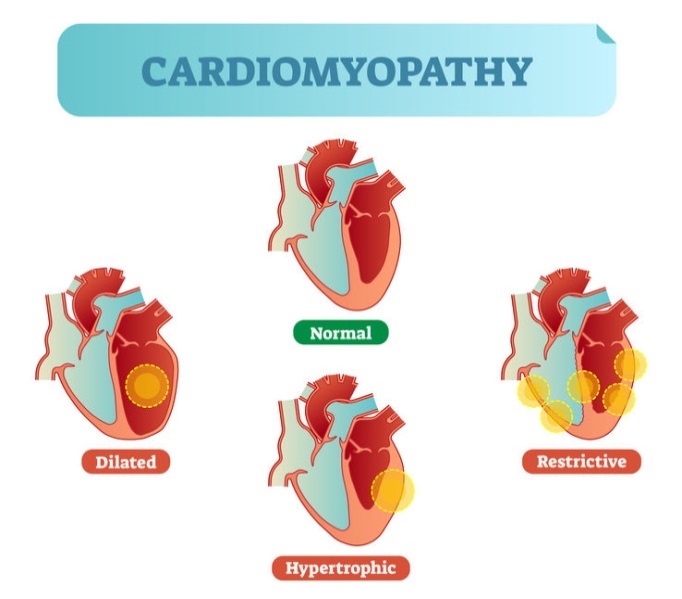
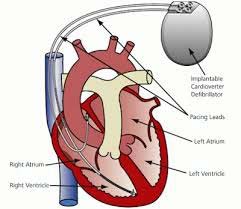
Cardiomyopathy is a group of diseases that affect the heart muscle.<br />Types of cardiomyopathy include 1-hypertrophic cardiomyopathy, 2- dilated cardiomyopathy, 3- restrictive cardiomyopathy, 4-arrhythmogenic right ventricular dysplasia<br />In hypertrophic cardiomyopathy the heart muscle enlarges and thickens its cause in inheritid. In dilated cardiomyopathy the ventricles enlarge and weaken its causes mainly are secondary to viral infection, alcohol and coronary heart disease but inheritance are also registered . In restrictive cardiomyopathy the ventricle stiffens. Its causes are mainly amyloidosis, hemochromatosis, and some cancer treatments.<br />Symptoms of cardiomyopathies may include fatigue, swelling of the lower extremities and shortness of breath after exertion. Additional symptoms of the condition may include arrhythmia, fainting, and dizziness, Those affected are at an increased risk of sudden cardiac death.<br />Treatment may include suggestion of lifestyle changes to better manage the condition. Treatment depends on the type of cardiomyopathy and condition of disease, but may include medication (conservative treatment) or iatrogenic/implanted pacemakers for slow heart rates, defibrillators for those prone to fatal heart rhythms, ventricular assist devices (VADs) for severe heart failure, or ablation for recurring dysrhythmias that cannot be eliminated by medication or mechanical cardioversion. The goal of treatment is often symptom relief.<br /><br />COVID-19 Cardiovascular complications are thought to be a combination of direct viral injury and the host's immune response resulting in vascular inflammation and myocardial inflammation , Cardiomyopathies (CMPs) which resulted from heart muscle involvement, are among the main causes of adolescent sudden death and heart failure.<br />un fortunately heart transplantation still away from many patients and doctors.<br /><br />