A scientific article for Dr. Ali Hussein Hamzah Al-Nasrawi entitled (Laryngeal Polyps and Nodules)
19/11/2023 Share :
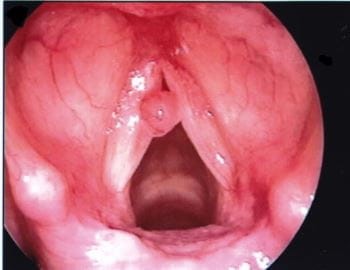
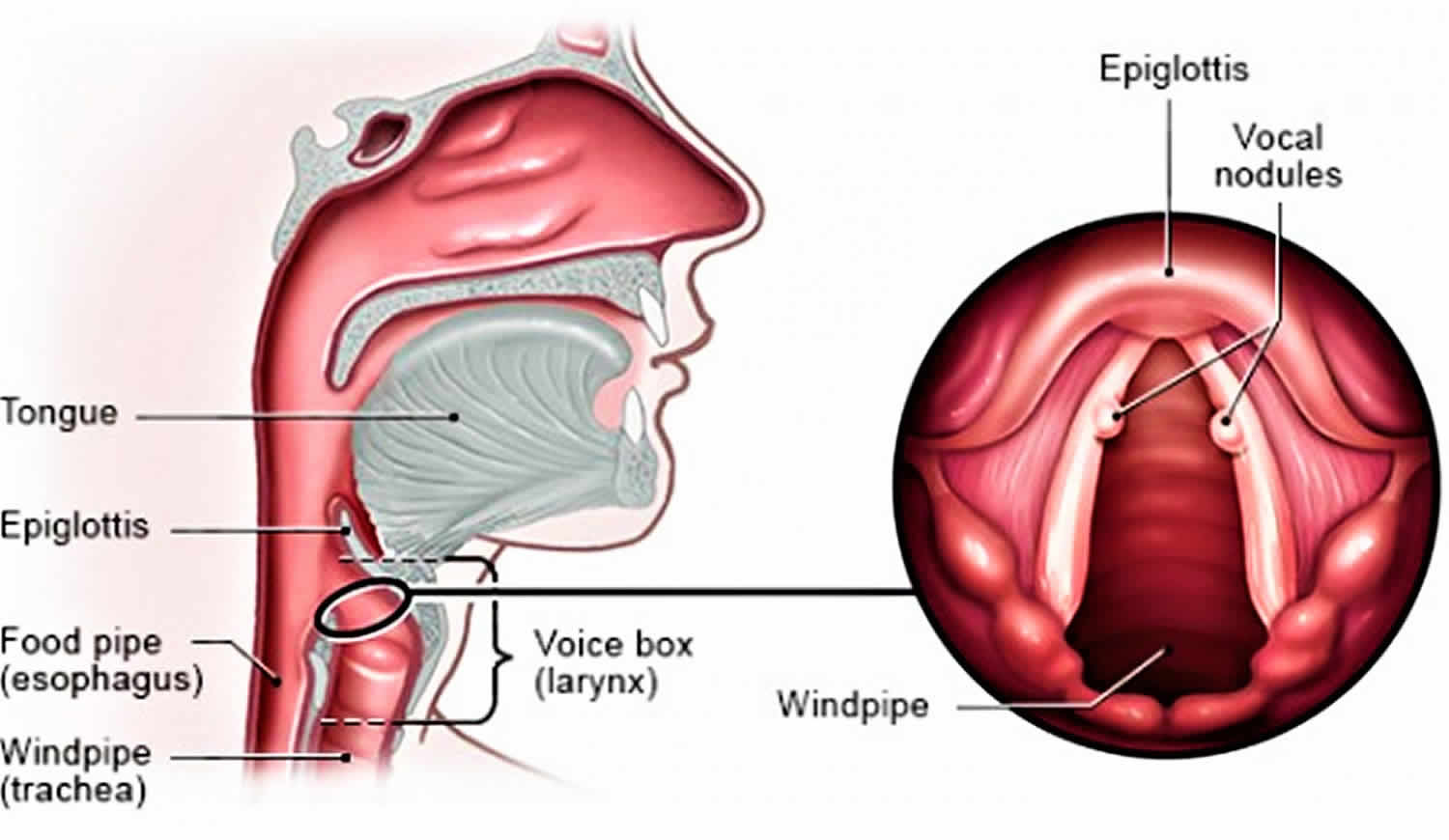
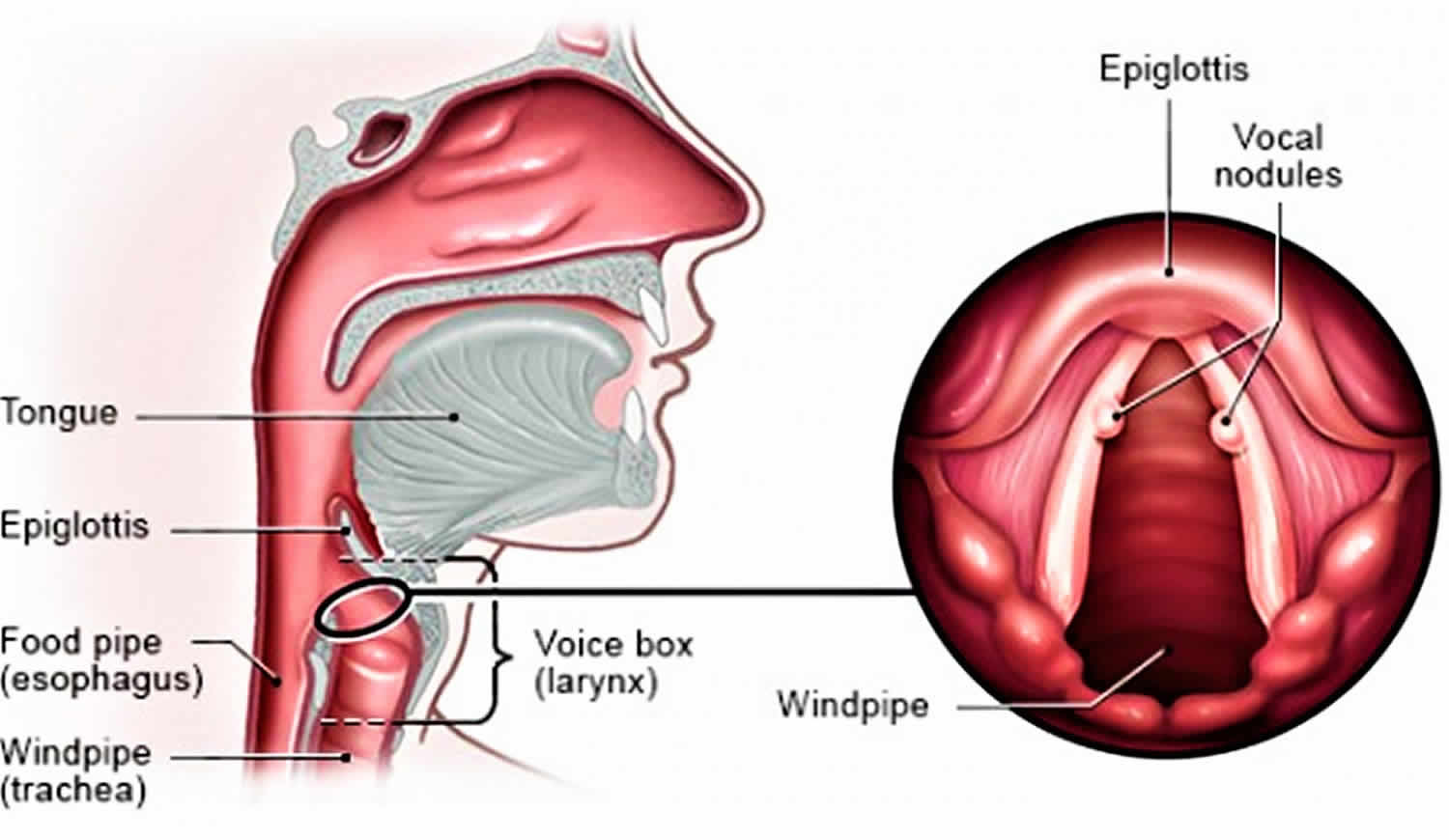
Laryngeal Polyps and Nodules<br />Introduction: Laryngeal polyps and nodules are common benign growths affecting the vocal cords, impacting voice quality and causing discomfort. This article provides insights into the types, etiology, diagnostic approaches, and treatment modalities for these conditions.<br />Types of Laryngeal Growths:<br />1. Polyps: These are fluid-filled sacs that develop on the vocal cords, often due to vocal strain or trauma.<br />2. Nodules: Nodules are small, callus-like growths resulting from chronic irritation or vocal abuse.<br />Etiology:<br />1. Vocal Abuse: Excessive use or misuse of the voice, such as shouting or singing improperly, is a common cause.<br />2. Gastroesophageal Reflux Disease (GERD): Chronic reflux can irritate the larynx, contributing to the development of polyps and nodules.<br />3. Smoking: Tobacco smoke can irritate the vocal cords, increasing the risk of growths.<br />4. Infections: Recurrent respiratory infections may lead to the formation of nodules.<br />Diagnosis:<br />1. Laryngoscopy: Direct visualization of the vocal cords using a laryngoscope helps identify the presence and type of growth.<br />2. CT or MRI Scans: Imaging studies provide detailed information about the size and location of the polyps or nodules.<br />3. Voice Analysis: Professionals may use acoustic analysis to assess voice quality and identify abnormalities.<br />Treatment:<br />1. Voice Rest and Therapy: Mild cases may improve with voice rest and speech therapy to address vocal misuse.<br />2. Medical Management: In cases related to GERD, medications to reduce acid reflux may be prescribed.<br />3. Surgical Intervention: For persistent or large growths, surgical removal through microlaryngoscopy or laser surgery may be necessary.<br />Types of Surgery:<br />1. Phonomicrosurgery: Precise removal of lesions with minimal impact on surrounding tissue.<br />2. Laser Surgery: Laser beams are used to vaporize or remove abnormal tissue.<br />3. Microflap Excision: Removal of the growth while preserving healthy vocal cord tissue.<br />Recovery and Voice Therapy:<br />1. Postoperative Care: Rest and adherence to postoperative instructions are crucial for optimal healing.<br />2. Voice Therapy: Rehabilitation with a speech-language pathologist helps restore proper vocal technique.<br />Prevention:<br />1. Voice Hygiene: Avoiding vocal strain, staying hydrated, and incorporating vocal warm-ups can prevent strain-related growths.<br />2. Management of GERD: Treating underlying reflux issues can reduce the risk of laryngeal irritation.<br />Conclusion: Laryngeal polyps and nodules can significantly impact voice function and quality of life. Timely diagnosis, appropriate treatment, and preventive measures, including vocal hygiene, are essential for managing these conditions effectively. Individuals experiencing persistent voice changes or discomfort should seek professional evaluation for a comprehensive diagnosis and tailored treatment plan.