
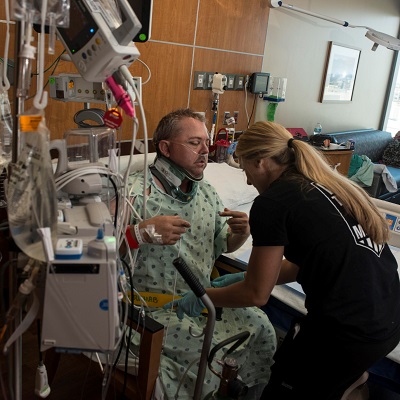
Behind the Veil: Navigating the Professional and Personal Landscape of Anesthesia Providers
24/11/2023 Share :
The life of anesthesia staff is a unique blend of professional dedication, technical expertise, and the ability to navigate the intricate balance between patient care and personal well-being. This essay aims to shed light on the multifaceted nature of the lives led by anesthesia providers, encompassing their responsibilities, challenges, rewards, and the ever-evolving landscape of their profession.<br /><br /> <br />Professional Responsibilities:<br />Anesthesia providers, including anesthesiologists and nurse anesthetists, bear the crucial responsibility of ensuring patient safety and comfort during surgical procedures. Their role extends beyond administering anesthesia; they are integral members of the healthcare team, collaborating with surgeons, nurses, and other specialists to orchestrate seamless and effective patient care. From pre-operative assessments to post-operative monitoring, the anesthesia staff's vigilance is paramount.<br />Technical Expertise and Continuous Learning:<br />The field of anesthesia is dynamic and constantly evolving, requiring anesthesia providers to stay abreast of advancements in medical technology, pharmacology, and patient care practices. Continuous education and training are essential as new anesthetic agents, monitoring devices, and techniques emerge. The commitment to lifelong learning is not only a professional obligation but also a means to ensure optimal patient outcomes.<br />Challenges and Pressures:<br />The life of anesthesia providers is not without challenges. They often face the pressure of making critical decisions in high-stakes situations, managing unexpected complications, and adapting to the diverse needs of patients. Additionally, the unpredictable nature of surgical schedules may lead to irregular working hours and on-call responsibilities, impacting work-life balance.<br />Patient Advocacy and Compassion:<br />Anesthesia providers serve as advocates for their patients, ensuring that their physical and emotional needs are met throughout the perioperative period. Compassion and effective communication are integral components of their interactions with patients, helping to alleviate anxiety and build trust. The ability to empathize with patients and their families contributes to a more positive overall surgical experience.<br />Rewards and Fulfillment:<br />Despite the challenges, the life of anesthesia staff is marked by the profound rewards of contributing to successful surgical outcomes and improved patient quality of life. The satisfaction derived from skillfully managing anesthesia, alleviating pain, and witnessing patients recover postoperatively adds a sense of purpose to their professional journey.<br />Balancing Act: Personal Well-being and Professional Commitments:<br />Maintaining a healthy work-life balance is a perpetual challenge for anesthesia providers. The demands of the profession, combined with the emotional intensity of dealing with patients in vulnerable states, underscore the importance of self-care. Strategies such as peer support, regular breaks, and mindfulness practices are crucial for sustaining the well-being of anesthesia staff.<br /> <br />Conclusion:<br />The life of anesthesia providers is a multifaceted journey, encompassing professional excellence, compassionate patient care, and the ongoing pursuit of knowledge. Balancing the demands of the profession with personal well-being requires resilience, adaptability, and a commitment to continuous improvement. As integral members of the healthcare team, anesthesia staff play a pivotal role in shaping the patient experience and contributing to the ever-advancing field of medical science<br />