Scientific article by programmer Mustafa Mortada Khalaf entitled (Diagnosing retinal diseases based on eye indexes)
16/01/2024 Share :
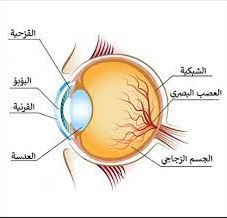
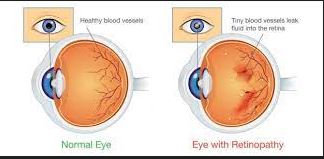
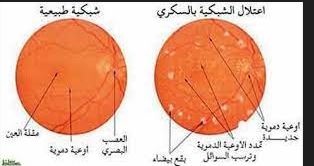
The retina is a vital part of the human visual system, playing a crucial role in converting incoming light into nerve signals that the brain can understand and interpret as an image. Diagnosing retinal diseases is crucial to maintaining visual health, and ophthalmographs are a modern and effective tool in this field.<br /><br />Eye imaging technology relies on high-resolution imaging of the retina using special cameras that allow fine details of the blood vessels and tissues in the eye to be seen. This approach allows doctors to monitor subtle changes in the retina and accurately diagnose disease conditions.<br /><br />Retinal diseases are among the medical challenges that can be diagnosed using ophthalmographs. This includes diseases such as glaucoma, multiple sclerosis, and atropesclerosis, which can lead to vision loss if not recognized and treated early.<br /><br />By analyzing images taken with an ophthalmoscope, doctors can provide accurate reports about the condition of the retina. It can monitor changes in the size of blood vessels, identify areas that may be damaged, and monitor any swelling or bleeding. This provides a non-invasive and accurate approach to diagnosing pathological conditions.<br /><br />In addition, ophthalmoscopy can help determine the effectiveness of treatments used to treat retinal diseases. Improvement or deterioration can be monitored continuously, allowing doctors to fine-tune the treatment plan according to the patient's needs.<br /><br />In conclusion, the use of ophthalmographs in diagnosing retinal diseases is a modern and effective technique that contributes to maintaining visual health. This advance in medicine represents tremendous progress towards improving eye care and more accurately diagnosing conditions, which contributes to improving the quality of life of individuals affected by retinal diseases.