A scientific article by A.L. Hala Muhammad Subaihi entitled ("Protecting ourselves: Preventive measures against exposure to harmful UV rays")
23/03/2024 Share :
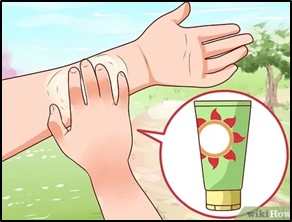
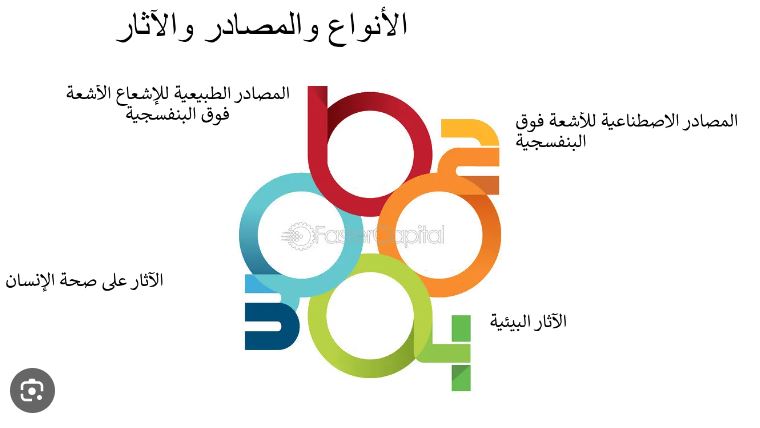
Protecting ourselves: Preventive measures against exposure to harmful UV rays.<br />Ultraviolet rays from the sun are a natural part of our environment, but excessive exposure can lead to skin damage, eye problems and an increased risk of skin cancer. Understanding how to protect ourselves from harmful UV rays is essential to maintaining good health. Ultraviolet radiation is part of the electromagnetic spectrum that reaches Earth from the Sun. They cannot be seen or felt, and are divided into three types: UVA, UVB, and UVC. While the ozone layer absorbs UVC rays and does not reach the Earth's surface, UVA and UVB rays can have significant health effects. Among the effects of exposure to ultraviolet rays are:<br />Short-term effects of UV exposure include sunburn and tanning, which are signs of skin damage. Long-term effects can be more serious, leading to premature skin aging, cataracts, and various types of skin cancer. To reduce the risks associated with exposure to UV radiation, the World Health Organization recommends several simple but effective measures:<br />Maximum midday sun: Sunlight is strongest between 10 a.m. and 4 p.m. Limiting outdoor activities during these hours can reduce exposure to UV rays. Wear sunglasses, use sunscreen, wear a wide-brimmed hat, and wear protective clothing.