The problems faced by dams
07/04/2024 Share :
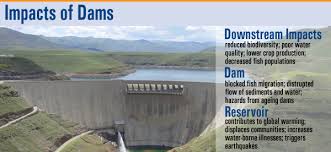
Mohammed jawad <br />Introduction:<br />Dams, monumental structures designed to harness water resources for various purposes, have been fundamental to human civilization for centuries. These marvels of engineering have significantly contributed to irrigation, flood control, water supply, hydropower generation, and recreational activities. However, the construction and operation of dams are not without their challenges and complexities. This article delves into the multifaceted problems faced by dams, ranging from environmental concerns to socio-economic impacts.<br />Environmental Impacts:<br />a. Habitat Destruction: <br />The inundation caused by dam reservoirs leads to the submergence of vast areas of land, resulting in the loss of habitats for numerous plant and animal species.<br />b. Alteration of Ecosystems:<br /> Dams disrupt natural riverine ecosystems by altering flow patterns, sediment transport, and water temperature, affecting aquatic biodiversity and downstream habitats.<br />c. Barrier to Fish Migration:<br /> Dams obstruct the natural migration routes of fish, hindering their ability to spawn and impacting fish populations, which can have cascading effects on the entire aquatic food web.<br />Social and Economic Concerns:<br />a. Displacement of Communities: <br />The construction of dams often necessitates the relocation of communities residing in the project area, leading to social upheaval, loss of cultural heritage, and disruption of livelihoods.<br />b. Impacts on Downstream Communities: <br />Changes in river flow and sedimentation patterns due to dam operations can adversely affect downstream communities, including agriculture, water supply, and navigation.<br />c. Reservoir-induced Seismicity: <br />The filling of large reservoirs behind dams can induce seismic activity, posing risks to nearby communities and infrastructure.<br />Safety and Maintenance:<br />a. Structural Integrity:<br /> Aging dams face the challenge of maintaining structural integrity over time, requiring regular inspections, maintenance, and upgrades to mitigate the risk of failures.<br />b. Sedimentation Management:<br /> Accumulation of sediment behind dams reduces reservoir storage capacity and affects downstream sediment transport, necessitating strategies for sediment management and flushing.<br />c. Climate Change Adaptation:<br /> Dams are vulnerable to the impacts of climate change, including changes in precipitation patterns, increased frequency of extreme weather events, and altered hydrological regimes, necessitating adaptation measures to ensure resilience.<br />Regulatory and Governance Issues:<br />a. Inadequate Planning and Regulation:<br /> Poorly planned and regulated dam projects can exacerbate environmental and social impacts, highlighting the need for comprehensive assessment, stakeholder consultation, and regulatory oversight.<br />b. Transboundary Conflicts: <br />Dams built on shared rivers can trigger conflicts between upstream and downstream riparian states over water allocation, flow regulation, and ecological impacts, underscoring the importance of international cooperation and governance mechanisms.<br /><br />Conclusion:<br />Dams play a vital role in water resources management and development, but they also pose significant challenges and controversies. Addressing the complex array of environmental, social, economic, and governance issues associated with dams requires holistic approaches that prioritize sustainability, resilience, and equitable management of water resources. By recognizing and mitigating the problems faced by dams, we can strive towards achieving a more balanced and harmonious relationship between humans and rivers in the 21st century.<br />