Harnessing Nature's Remedies: Natural Purification of Polluted Groundwater
08/04/2024 Share :
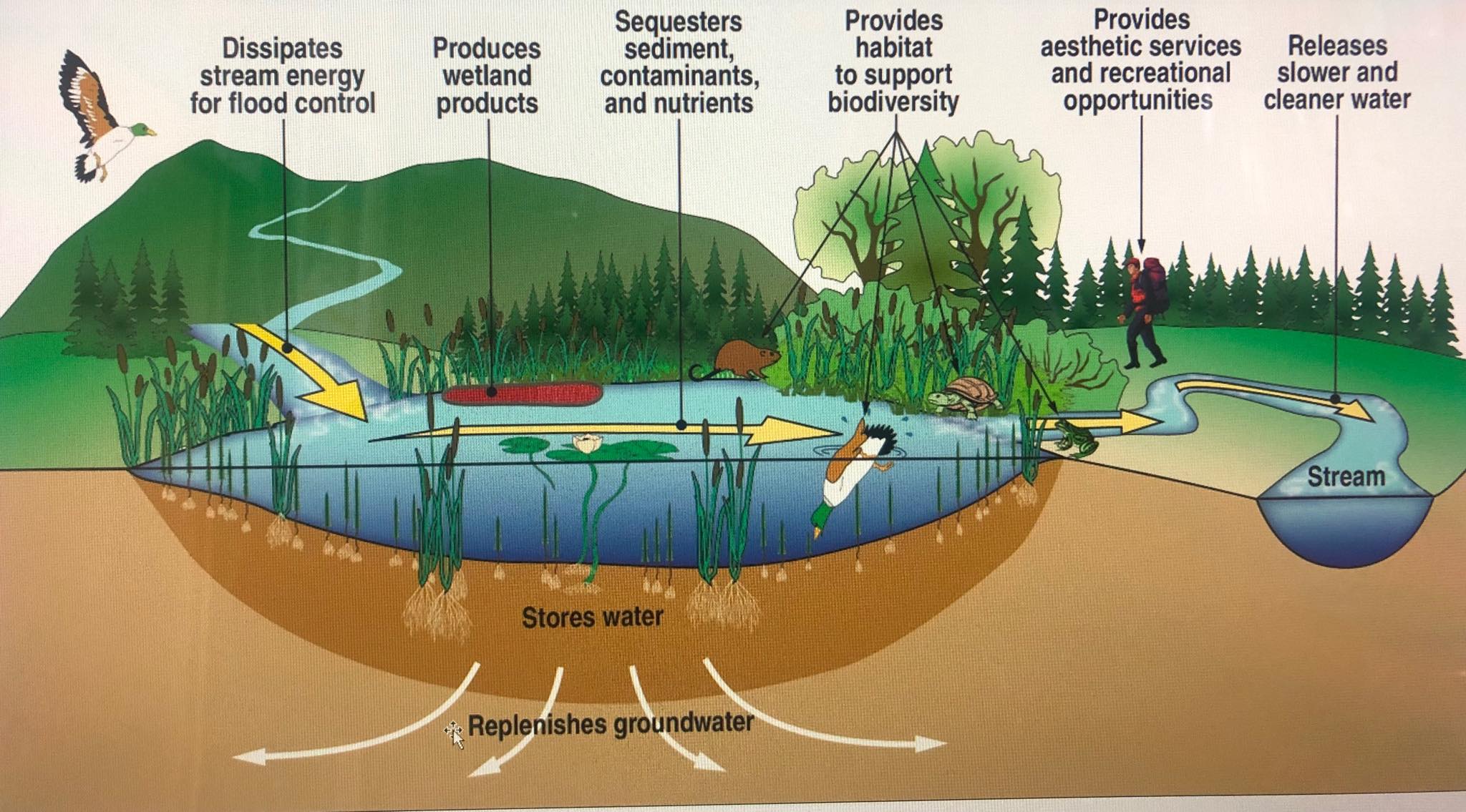
Prof. Dr. Najah M.L. Al Maimuri<br />Building & Construction Engineering Technologies<br />Al Mustaqbal University<br />1. Introduction: <br />Groundwater serves as a vital source of drinking water for billions of people worldwide. However, due to industrial activities, agricultural runoff, and improper waste disposal, many groundwater sources have become contaminated with pollutants, posing significant risks to public health and ecosystems. In addressing this pressing issue, scientists and environmentalists are increasingly turning to nature's own purification mechanisms as a sustainable and effective solution. Through a process known as natural attenuation, various natural processes and organisms work together to remediate polluted groundwater, restoring its quality and ensuring its safety for human consumption and ecosystem health.<br />2. Natural attenuation<br />Natural attenuation refers to the inherent ability of certain substances and environments to degrade, transform, or immobilize pollutants without human intervention. In the context of groundwater remediation, natural attenuation processes occur through physical, chemical, and biological mechanisms that occur within the subsurface environment. These processes include:<br />1. Dilution: In some cases, polluted groundwater may become diluted as it mixes with uncontaminated groundwater, reducing the concentration of pollutants to safe levels.<br />2. Biodegradation: Microorganisms naturally present in the soil and groundwater can metabolize organic pollutants, breaking them down into harmless byproducts such as carbon dioxide, water, and mineral salts.<br />3. Adsorption and Absorption: Soil and sediment particles have the ability to adsorb and absorb certain pollutants, effectively trapping them and preventing their migration further into the groundwater system.<br />4. Chemical Transformation: Some pollutants undergo chemical reactions within the groundwater environment, leading to their conversion into less harmful or inert compounds.<br />Examples of Natural Attenuation:<br />1. Phytoremediation: This process involves the use of plants to remove, degrade, or immobilize contaminants in groundwater. Certain plant species have the ability to absorb pollutants through their roots and either store them within their tissues or break them down through biochemical processes.<br />2. Enhanced Reductive Dechlorination (ERD): In ERD, organic contaminants such as chlorinated solvents are biologically degraded in the presence of electron donor substances, such as vegetable oil or molasses. Microorganisms utilize these substances as energy sources to facilitate the degradation of pollutants.<br />3. In-situ Chemical Oxidation (ISCO): ISCO involves the injection of oxidizing agents, such as hydrogen peroxide or ozone, into contaminated groundwater. These agents react with pollutants, breaking them down into less harmful compounds through oxidation reactions.<br />4. Natural Attenuation of Heavy Metals: Certain minerals, such as iron and manganese oxides, have the ability to adsorb heavy metals present in groundwater, reducing their mobility and bioavailability. Additionally, microbial processes can facilitate the precipitation or immobilization of heavy metals, rendering them less toxic.<br />3. Benefits and Challenges: <br />Natural attenuation offers several advantages as a groundwater remediation strategy. It is often cost-effective, as it harnesses natural processes and requires minimal infrastructure compared to traditional remediation techniques such as pump-and-treat systems. Additionally, natural attenuation can be implemented in situ, minimizing disturbance to the surrounding environment.<br />However, the effectiveness of natural attenuation depends on various factors, including the type and concentration of pollutants, hydrogeological conditions, and the presence of suitable microorganisms. In some cases, natural attenuation may take longer to achieve desired remediation goals compared to more aggressive remediation approaches. Monitoring and ongoing assessment are essential to ensure that natural attenuation processes are effectively reducing pollutant concentrations and safeguarding groundwater quality.<br />4. Conclusion: <br />Natural purification of polluted groundwater represents a promising and sustainable approach to addressing the global challenge of groundwater contamination. By harnessing nature's own remediation mechanisms, we can restore and protect vital groundwater resources, protecting public health and preserving ecosystems for future generations. Acceptance natural attenuation alongside other remediation strategies can contribute to a more resilient and sustainable water management framework, ensuring access to clean and safe drinking water for all.<br />