Cavitation in concrete
15/04/2024 Share :
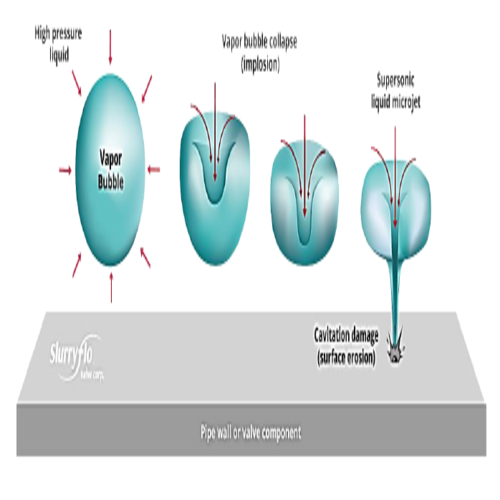
Doaa Falah<br />Cavitation occurs in hydraulic structures as water vapor bubbles form and then collapse, creating a very high local pressure drop which can damage concrete. <br /><br />Cavitation can damage the concrete in following ways:<br />- due to shock waves generated by bubble implosion.<br />- by the micro-jets due to bubble implosion.<br />- collapse of bubble clusters.<br /><br />Cavitation generally occurs in hydraulic channel and pipe where flow velocity is high -typically over 10 m/s at normal temperature and pressure. The high-speed liquid creates zone of sub-atmospheric pressure resulting in the formation of vapor pockets. These vapor bubbles eventually collapse (implosion) and gives impact load on the concrete surface.<br /><br />The pressure can be as high as several hundred MPa due to such implosion of bubbles. The continual effect may eventually loosen the concrete surface. The flow disturbance will worsen the effect of cavitation and accelerate the rate of damage. While a large portion of the concrete is damaged, the cavitation effect gradually decreases.<br /><br />Prevention<br />Cavitation can be prevented by considering flowing in the design:<br />-Redesign to reduce flow velocity.<br />-Aeration of water: is the process of increasing or maintaining the oxygen saturation of water in both natural and artificial environments. Aeration techniques are commonly used in pond, lake, and reservoir management to address low oxygen levels or algal blooms. Fountains aerate water by spraying it into the air.<br />