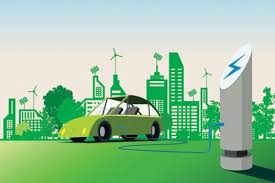
Electric Vehicles and the Environment: Driving Towards a Cleaner Future
17/04/2024 Share :
Lec. Noor Al Huda Hakiam <br />Introduction:<br />Transportation is a significant contributor to pollution and greenhouse gas emissions, but electric vehicles (EVs) offer a promising solution. With their zero tailpipe emissions and increasing popularity, EVs are helping to reduce the environmental impact of transportation. Let's explore how electric vehicles are driving us towards a cleaner and more sustainable future.<br /><br />1. Zero Emissions:<br />One of the most significant environmental benefits of electric vehicles is their lack of tailpipe emissions. Unlike conventional internal combustion engine vehicles, EVs run on electric motors powered by rechargeable batteries. This means they produce no exhaust gases, such as carbon dioxide (CO2), nitrogen oxides (NOx), or particulate matter, which contribute to air pollution and climate change. By driving electric vehicles, we can significantly reduce air pollution and improve local air quality.<br /><br />2. Reduced Greenhouse Gas Emissions:<br />Electric vehicles also contribute to the reduction of greenhouse gas emissions. While they may indirectly produce emissions during the electricity generation process, the overall emissions are considerably lower compared to gasoline or diesel-powered vehicles. The environmental impact of EVs depends on the source of electricity generation. As renewable energy sources continue to grow, charging EVs with clean energy further minimizes their carbon footprint and helps combat climate change.<br /><br />3. Energy Efficiency:<br />Electric vehicles are more energy-efficient than internal combustion engine vehicles. Traditional vehicles waste a significant portion of energy through heat dissipation, whereas EVs convert a higher percentage of electrical energy from the grid into propulsion. This increased efficiency translates into reduced energy consumption and reliance on fossil fuels. As technology continues to improve, EVs are becoming even more efficient and capable of longer driving ranges.<br /><br />4. Battery Recycling and Second Life:<br />The batteries used in electric vehicles have a lifespan of several years. When these batteries reach the end of their useful life in vehicles, they can still be repurposed for other applications, such as energy storage. This "second life" use extends the overall lifespan of the batteries and maximizes their value before recycling. Additionally, advancements in battery recycling technologies allow for the recovery and reuse of valuable materials, reducing the environmental impact of battery disposal.<br /><br />5. Renewable Energy Synergy:<br />The growth of electric vehicles aligns with the expansion of renewable energy sources. As more renewable energy, such as solar and wind power, enters the grid, EV charging can be powered by clean and sustainable sources. This synergy between EVs and renewable energy creates a virtuous cycle, where transportation becomes greener, and the demand for renewable energy increases.<br /><br />Conclusion:<br />Electric vehicles offer a compelling solution to reduce pollution and combat climate change. With zero tailpipe emissions, reduced greenhouse gas emissions, improved energy efficiency, battery recycling, and alignment with renewable energy sources, EVs are driving us towards a cleaner and more sustainable future. By embracing electric vehicles and supporting the necessary infrastructure, we can accelerate the transition to a transportation system that benefits both the environment and our quality of life.