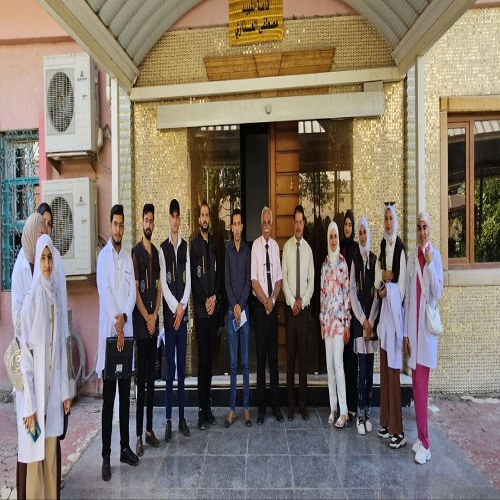
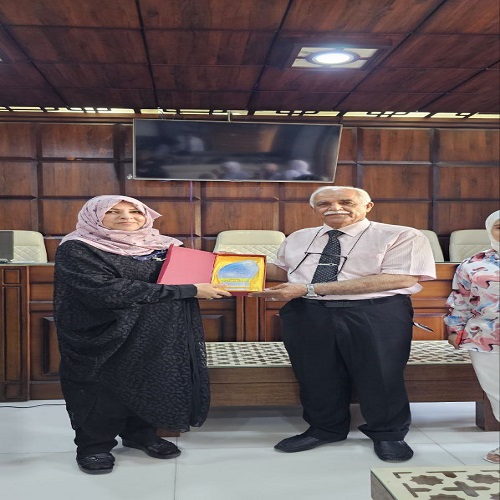
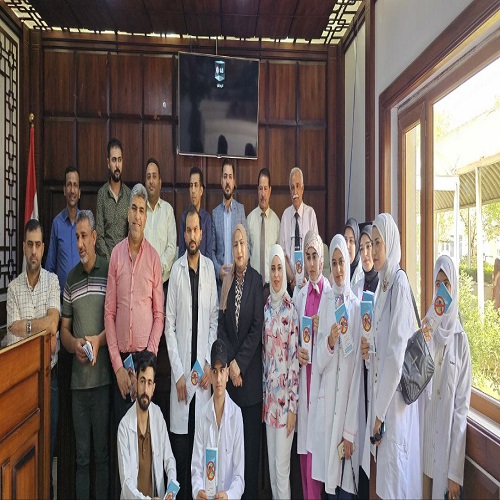
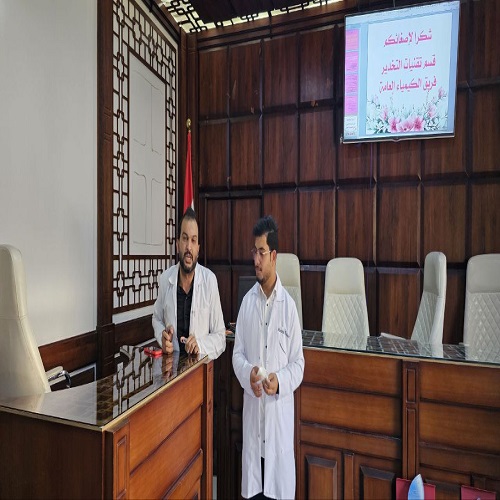
The Department of Anesthesia Techniques held a scientific workshop at the College of Girls’ Science at the University of Babylon on World Malaria Day
29/04/2024 Share :
Under the patronage of the respected President of of Al_mustaqbal University Professor Dr. Hassan Shaker Magdy, and under the supervision of the Dean of the College of Health and Medical Technologies, Dr. Zahraa Halim Al-Qayyim, and the respected Head of the Anesthesia Techniques Department, the Anesthesia Techniques Department organized a scientific workshop in the College of Girls’ Sciences at the University of Babylon on World Malaria Day, where the workshop praised the Introducing the disease, its symptoms, causes, and ways to prevent it<br />Malaria is a life-threatening disease transmitted to humans by some species of mosquitoes. Malaria is spread mainly in tropical countries and can be prevented and cured.<br /><br />Symptoms of the disease can be mild or life-threatening. Mild symptoms are fever, chills, and headache. Severe symptoms include fatigue, confusion, seizures, and difficulty breathing.<br /><br />Infants, children under five years of age, pregnant women, travelers, and those infected with HIV/AIDS are at greater risk of developing severe malaria infection.<br /><br />Malaria can be prevented by avoiding mosquito bites and taking medications. Treatments can also prevent mild cases from getting worse.<br />There are 5 types of parasites from the Plasmodium family that cause malaria in humans, of which two types pose the greatest danger: Plasmodium falciparum and Plasmodium vivax. Plasmodium falciparum is the most deadly and most widespread type of parasite that causes malaria on the African continent. Plasmodium vivax is the type of parasite that causes malaria that is prevalent in most countries outside sub-Saharan Africa. Other types of parasites that cause malaria and can infect humans are Plasmodium viii, Plasmodium ovale, and Plasmodium knowlesi.<br />The most common first symptoms of malaria are fever, headache, and shivering.<br /><br />Symptoms usually begin 10 to 15 days after being bitten by an infected mosquito.<br /><br />These symptoms may be mild in some people, especially in those who have previously been infected with malaria. It is important to get tested for malaria early because some symptoms of this disease are not specific.<br /><br />Some types of malaria can cause severe illness and death. Infants, children under five years of age, pregnant women, travelers, and those infected with HIV/AIDS are at greater risk of infection.<br />Malaria can be prevented by avoiding mosquito bites or taking medications. Travelers heading to areas where malaria is common should consult a doctor before traveling about taking medications such as chemoprophylaxis.<br /><br />The risk of malaria can be reduced by avoiding mosquito bites as follows:<br /><br />Use mosquito nets when sleeping in places where malaria is present<br />Use mosquito repellents (containing diethyltoluamide, IR3535, or Icaridin) after dusk<br />Use of coils and vaporizers<br />Wear protective clothing<br />Use window coverings