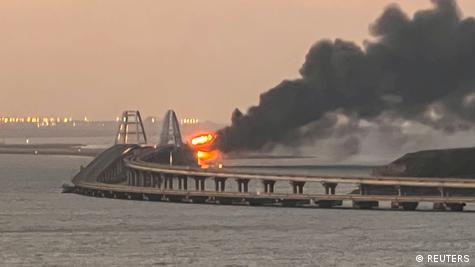
The Impact of Explosions on Bridge Stability
22/05/2024 Share :
Lec. Dr. Riyadh Abdulabas Ali Alsultani<br />Introduction<br />Bridges play a vital role in transportation infrastructure, connecting areas and facilitating the movement of people and goods. However, these engineering structures are exposed to various threats, including explosions. Whether caused by industrial accidents, terrorist acts, or controlled detonations for construction and mining purposes, explosions can significantly affect the stability of bridges. This article explores the different ways explosions can impact bridge stability and potential preventive measures.<br />1. Shock Waves<br />Explosions generate shock waves that travel through the ground and air, and these waves can severely impact engineering structures like bridges. The vibrations caused by explosions can create cracks and fractures in the concrete supports and pillars of bridges, weakening their structure and reducing their load-bearing capacity.<br />2. Structural Imbalance<br />Explosions near bridges can lead to sudden changes in the structural balance of the bridge. The blast can remove or weaken parts of the bridge, leading to uneven load distribution. This imbalance can cause bending and deformations in the bridge structure, increasing the risk of collapse.<br />3. Damage from Debris<br />Explosions cause metal fragments and debris to fly, potentially striking the bridge structure. These fragments can cause direct damage to structural elements such as steel cables, concrete reinforcement bars, and columns. Damage from debris can weaken the bridge and reduce its lifespan.<br />4. Underwater Explosions<br />For bridges spanning over water, underwater explosions can have catastrophic effects. Pressure waves from underwater explosions can impact the piers and supports located in the water, leading to their erosion or destruction. This type of damage is difficult to detect and can cause the bridge to collapse without warning.<br />5. Environmental Impacts<br />Explosions can also cause environmental effects that indirectly impact bridge stability. For example, explosions may trigger landslides or local earthquakes, increasing pressure on bridge structures. Additionally, changes in water flow caused by explosions can lead to erosion of foundations and supports.<br />Real-world Examples<br />In 1996, the Oklahoma City bombing caused a significant portion of a nearby bridge to collapse, resulting in severe human and material losses. This incident highlighted the vulnerability of bridges to explosions and prompted authorities to enhance security and safety measures around critical infrastructure.<br />Conclusion<br />Explosions pose a significant threat to bridge stability and can lead to severe consequences for public safety and infrastructure. To ensure bridge safety, preventive measures such as designing bridges to withstand vibrations, reinforcing structural elements, and implementing early damage detection technologies should be employed. Additionally, enhancing security measures around critical bridges is essential to prevent terrorist attacks and mitigate the impact of explosions<br />