How Explosions Affect Dam Stability
22/05/2024 Share :
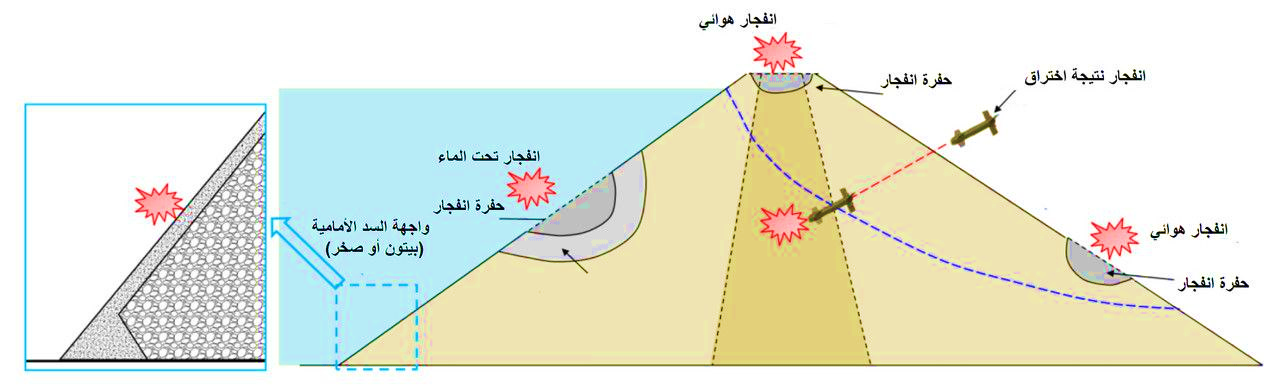
Lec. Dr. Riyadh Abdulabas Ali Alsultani<br />Introduction<br />Dams are vital engineering structures that play a crucial role in water storage, hydroelectric power generation, and flood control. However, they are susceptible to various threats that can impact their stability and integrity, one of which is explosions. Whether resulting from human activities such as mining and construction or from terrorist acts, explosions can cause significant damage to dams. This article explores the different ways in which explosions can affect dam stability and possible preventive measures.<br />1. Shock Waves<br />Explosions generate shock waves that travel through the ground, and these waves can significantly impact engineering structures. For concrete dams, vibrations caused by explosions can lead to cracks and fissures in the dam's structure. In the case of earthfill dams, they are more susceptible to erosion and collapse due to the movement and displacement of earthen materials under the influence of vibrations.<br />2. Changes in Water Pressure<br />Explosions that occur underwater or near water sources can lead to sudden changes in water pressure. These changes can cause increased hydraulic pressure on the dam structure, heightening the risk of erosion and cracks. Increased pressure may force water to seep through these cracks, weakening the dam over time.<br />3. Deliberate Sabotage<br />In conflict and war situations, dams might be targeted as part of military strategies. Deliberate explosions can destroy significant portions of a dam, leading to catastrophic floods and severe environmental issues. This type of attack requires high levels of protection and security to prevent such events.<br />4. Landslides and Slips<br />Powerful explosions can destabilize the soil and rocks surrounding a dam, causing landslides or slips. These incidents can add additional load to the dam and weaken its structure. In mountainous or rugged terrains, the impact of landslides is more severe and dangerous.<br />5. Impact on Surrounding Infrastructure<br />Explosions not only directly affect dams but can also damage surrounding infrastructure such as channels, waterways, and bridges. Damage to these structures can impede maintenance and repair activities for dams and lead to changes in water flows that may increase pressure on the dam.<br />Real-world Examples<br />In 2003, the Mosul Dam in Iraq suffered significant damage due to repeated explosions in its vicinity. These explosions led to the deterioration of the dam's structure and increased the risk of its collapse, prompting authorities to take emergency measures to reinforce the dam and prevent a disaster.<br />Conclusion<br />Explosions pose a significant threat to dam stability and can lead to severe consequences for the environment and human populations. To ensure dam safety, preventive measures such as reinforcing engineering structures, creating buffer zones, and monitoring seismic and explosive activities around dams should be implemented. Additionally, international cooperation should be strengthened to improve security and preventive measures to protect these vital structures from multiple threats.<br />