Scientific article by Dr. Ali Hussein Hamza Al-Nasrawi Otorhinolaryngologist and laser specialist entitled (Jovenil Nasufaringial Angiovibroma)
08/10/2024 Share :
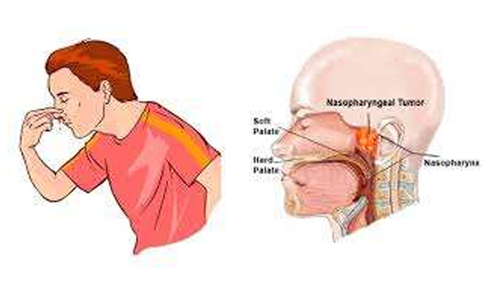
A Rare but Aggressive Tumor <br />Juvenile Nasopharyngeal Angiofibroma (JNA), a rare, locally aggressive vascular tumor <br />that primarily affects young teenage boys. <br /><br />Symptoms and Diagnosis: <br />• Typical Patients: Teenage boys are almost exclusively affected. <br />• Symptoms: Progressive nasal obstruction and frequent nosebleeds (epistaxis) are the usual complaints. <br />• Examination: Endoscopy of the nasopharynx reveals a characteristic purple, soft tissue swelling. <br />• Imaging: CT and MRI scans are essential for diagnosis, along with angiography or magnetic resonance angiography <br />(MRA) to assess blood flow. <br />• Biopsy: Biopsy is discouraged due to the risk of severe bleeding. Diagnosis can be made based on imaging findings. <br />Key Points: <br />• JNA arises from the sphenopalatine foramen within the nasopharynx. <br />• Although benign, it can extend into the skull base, potentially involving the brain in 10-20% of cases at presentation. <br />• Imaging often shows a characteristic "Holman-Miller sign" – anterior bowing of the posterior maxillary wall. <br />Treatment: <br />• Surgery: Surgical resection is the primary treatment, aiming for complete removal if possible. <br />• Radiotherapy: If residual disease persists, some centers suggest radiotherapy or stereotactic radiosurgery, but long<br />term benefits lack strong evidence. <br />• Embolization: Preoperative embolization may be considered to reduce tumor size and blood flow before surgery. <br />However, it requires careful planning due to potential risks of stroke if embolic material enters the brain circulation. <br />Surgical Approaches: <br />• The choice between open or endoscopic approaches depends on tumor size and bleeding. <br />• Open approaches offer better access and may be preferred for highly vascular cases. Techniques include midfacial <br />degloving, lateral rhinotomy, or maxillary swing methods. <br />• Endoscopy may be suitable for smaller tumors. <br />• Extensive disease may require a combined skull base approach with neurosurgeons. <br />Reducing Recurrence: <br />• Drilling the basisphenoid clean during surgery has been linked to a lower risk of recurrence. <br />Conclusion: <br />Juvenile nasopharyngeal angiofibroma is a rare but serious tumor requiring prompt diagnosis and treatment by a multidisciplinary <br />team. Surgical resection remains the mainstay of therapy, with other options like embolization and radiotherapy considered on a <br />case-by-case basis. <br />Dr.Ali Hussein Hamzah Al-nasrawi <br />Otorhinolaryngologist and laser specialist<br />