Scientific article by Dr. Ali Hussein Hamza Al-Nasrawi Otorhinolaryngologist and laser specialist entitled (Nasopharyngeal Carcinoma and Dietary Factors)
08/10/2024 Share :
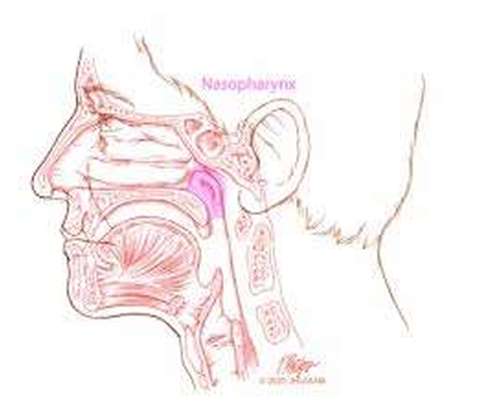
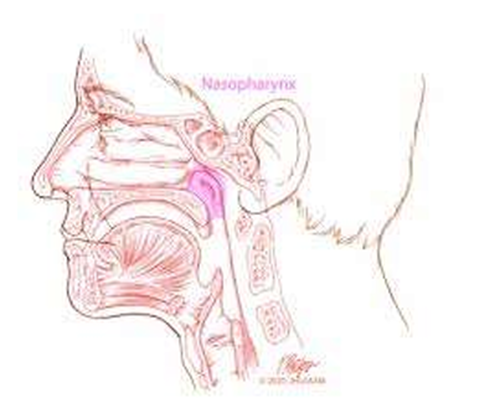
Introduction: <br />Nasopharyngeal carcinoma (NPC) is a rare type of cancer that develops in the nasopharynx, the upper part of the throat behind the nose. While the exact causes of NPC are complex and not fully understood, <br />several risk factors have been identified, including dietary habits. This lecture will explore the <br />relationship between dietary factors, particularly spicy and smoky foods, and the risk of developing NPC. <br />Dietary Factors and NPC: <br />• Nitrites and Nitrosamines: Some spicy and smoked foods contain nitrites, which can be <br />converted into carcinogenic compounds called nitrosamines. Exposure to high levels of <br />nitrosamines has been linked to an increased risk of NPC. <br />• Salted Fish: Several studies have suggested a possible association between high consumption of salted fish and an increased risk of NPC. <br />• Preservatives: Certain preservatives used in processed foods, such as sodium nitrite, can also <br />contribute to the formation of nitrosamines. <br />Other Risk Factors: <br />• Epstein-Barr Virus (EBV): Infection with EBV is a major risk factor for NPC, particularly in certain <br />populations. <br />• Genetics: A family history of NPC or other cancers can increase the risk. <br />• Environmental factors: Exposure to certain environmental pollutants, such as aflatoxins, may <br />also contribute to the development of NPC. <br />Evidence from Recent Studies: <br />• Yang et al. (2023): A meta-analysis found a positive association between dietary intake of nitrite and nasopharyngeal carcinoma. <br />• Huang et al. (2022): A study linked high consumption of salted fish to an increased risk of NPC. <br />• Lin et al. (2022): Reviewed the role of EBV in NPC and highlighted the importance of early <br />detection and treatment. <br />Conclusion: <br />While the exact mechanisms underlying the relationship between dietary factors and NPC are still being <br />investigated, the available evidence suggests that a diet high in spicy and smoky foods, as well as other factors, may contribute to the risk of this cancer. It is important to maintain a balanced diet and adopt <br />healthy lifestyle habits to reduce the risk of NPC. <br />Dr.Ali Hussein Hamzah Alnasrawi <br />Otorhinolaryngologist and LASER specialist <br />References: <br />1. Yang, J., et al. (2023). The association between dietary intake of nitrite and nasopharyngeal <br />carcinoma: A systematic review and meta-analysis. International Journal of Cancer, 153(7), <br />1320-1332. <br />2. Huang, J., et al. (2022). Dietary intake of salted fish and nasopharyngeal carcinoma: A meta<br />analysis. Cancer Causes & Control, 33(1), 1-11. <br />3. Lin, J. Y., et al. (2022). Epstein-Barr virus-associated nasopharyngeal carcinoma: An update on epidemiology, genetics, and pathogenesis. Cancer Letters, 548, 125-133. <br />4. Chen, H., et al. (2021). The role of Epstein-Barr virus in nasopharyngeal carcinoma: A review. <br />Journal of Oral and Maxillofacial Surgery, 50(1), 1-11. <br />5. International Agency for Research on Cancer (IARC). (2015). IARC monographs on the <br />evaluation of carcinogenic risks to humans: Volume 114: Carcinogens in food, beverages, and <br />mycotoxins. Lyon, France: IARC.