Fly ash
04/11/2024 Share :
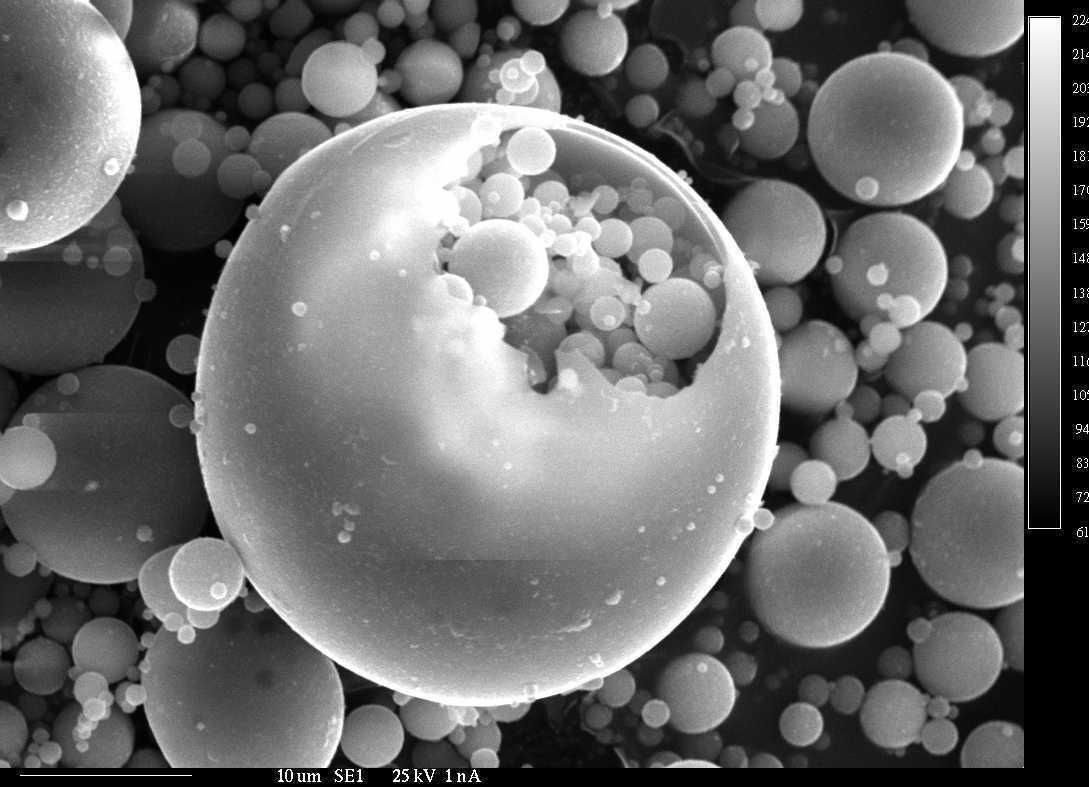
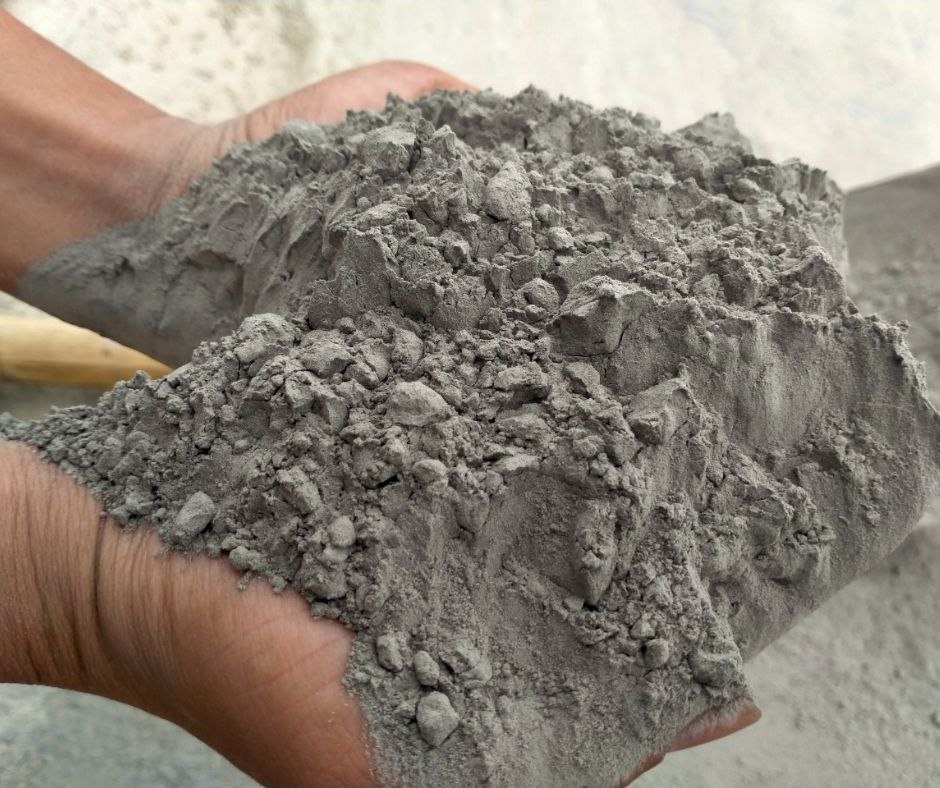
دعاء فلاح يوسف<br />Fly ash is a by-product of coal burning in power plants. Its unique properties make it an ideal material for a variety of applications in the construction industry.<br />Fly ash properties<br />• Chemical composition: Fly ash is mainly composed of silicon dioxide (SiO₂), aluminium oxide (Al₂O₃) and calcium oxide (CaO), giving it properties similar to cement when mixed with water.<br />• Physical properties: Fly ash has very fine particles, which helps improve the workability of concrete and reduce its permeability.<br /><br />Benefits of using fly ash<br />• Sustainability: Using fly ash helps reduce cement consumption, which reduces carbon emissions36.<br />• Improved durability: It enhances the strength of concrete and increases its service life, especially in aggressive environments67.<br />• Cost-effective: Fly ash is often less expensive than traditional cement, making it an economical choice for construction projects35.<br /><br />Fly Ash Applications<br />• In concrete: It is used as a partial substitute for cement, improving the strength and durability of concrete45.<br />• In brick and block manufacturing: It is also used in the manufacture of bricks and blocks, making them lightweight and insulating35.<br />• Road construction: It is used to stabilize soil and improve the durability of the road surface3.<br />Environmental impact<br />The use of fly ash contributes to reducing waste resulting from burning coal, as about 43% of it is recycled for use in the concrete industry, reducing its negative environmental impact.<br />In short, fly ash is a versatile and cost-effective material that plays an important role in enhancing the sustainability of the construction industry and reducing its environmental impact.<br />