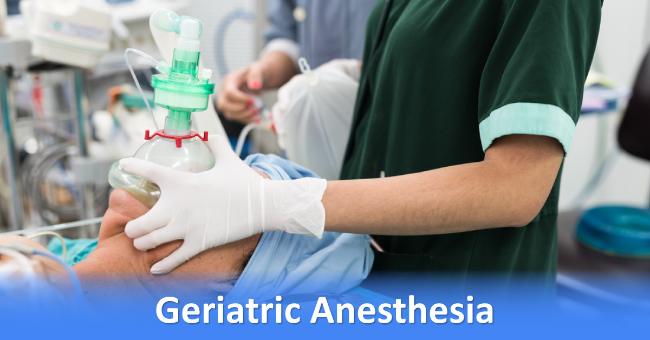
Geriatric Anesthesia
27/11/2024 Share :
Geriatric patients experience several physiological changes that can significantly impact their response to anesthesia.1 Here are some of the most common changes and their implications:<br />Cardiovascular System:<br />• Reduced cardiac output: The heart's ability to pump blood decreases with age, leading to slower circulation and reduced blood flow to vital organs .This can affect the distribution and elimination of anesthetic drugs.<br />• Stiffening of heart valves and blood vessels: This can lead to impaired blood flow and increased risk of heart rhythm disturbances.<br />• Decreased baroreceptor sensitivity: This can make older adults more susceptible to hypotension (low blood pressure) during anesthesia.<br />Respiratory System:<br />• Decreased lung elasticity and muscle strength: This can lead to reduced lung capacity, impaired gas exchange, and increased risk of respiratory complications like pneumonia.<br />• Increased airway resistance: This can make intubation and ventilation more difficult.<br />• Decreased cough reflex: This can increase the risk of aspiration of stomach contents into the lungs.<br />Nervous System:<br />• Reduced brain mass and decreased blood flow to the brain: This can affect the distribution and elimination of anesthetic drugs, increasing the risk of prolonged sedation and cognitive impairment.<br />• Decreased sensitivity to pain: This can make it difficult to accurately assess pain levels and may require lower doses of pain medication.<br />• Increased sensitivity to certain anesthetic drugs: This can lead to exaggerated responses and increased risk of side effects.<br />Other Changes:<br />• Decreased liver and kidney function: This can affect the metabolism and elimination of anesthetic drugs, increasing the risk of toxicity.<br />• Decreased body water and increased body fat: This can alter the distribution of anesthetic drugs, affecting their onset and duration of action.<br />• Increased risk of chronic diseases: Older adults are more likely to have chronic conditions such as diabetes, hypertension, and heart disease, which can complicate anesthesia and surgery.<br />Impact on Anesthesia:<br />These physiological changes in geriatric patients require careful consideration by anesthesiologists to minimize risks and optimize patient care. Some of the specific implications include:<br />• Choosing appropriate anesthetic agents and techniques: Selecting drugs with less impact on cardiovascular and respiratory function.<br />• Adjusting drug dosages: Lowering doses to avoid deep sedation and toxicity.<br />• Monitoring vital signs closely: Continuously monitoring heart rate blood pressure, oxygen saturation, and other parameters to detect and manage complications early.<br />• Maintaining body temperature: Preventing hypothermia, which can worsen cardiovascular and respiratory function.<br />• Preventing postoperative complications: Implementing strategies to reduce the risk of pneumonia, delirium, and other complications.<br />By understanding and addressing the unique physiological changes of geriatric patients, anesthesiologists can provide safer and more effective anesthesia care for this vulnerable population.<br /><br />م.م نهى نوماس