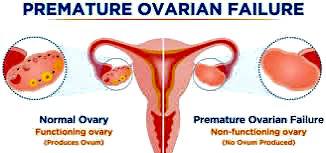
Premature Ovarian Failure: A Brief Overview
07/01/2025 Share :
Introduction<br />Premature ovarian failure (POF), also known as primary ovarian insufficiency (POI), is a condition characterized by the loss of normal ovarian function before the age of 40. It affects approximately 1% of women worldwide and has significant implications for fertility, hormonal balance, and overall health.<br /><br />Causes<br />The etiology of POF is multifactorial, involving genetic, autoimmune, and environmental factors.<br /> • Genetic Factors: Mutations in the FMR1 gene, associated with fragile X syndrome, and abnormalities in other genes such as FOXL2 can predispose women to POF.<br /> • Autoimmune Disorders: Conditions like autoimmune thyroiditis or Addison’s disease can lead to the destruction of ovarian tissue.<br /> • Environmental Factors: Chemotherapy, radiation therapy, and exposure to toxins such as pesticides are linked to ovarian damage.<br /><br />Pathophysiology<br />In POF, the ovaries fail to produce sufficient estrogen and fail to release eggs regularly. This hormonal deficiency disrupts the hypothalamic-pituitary-ovarian axis, leading to elevated levels of follicle-stimulating hormone (FSH) and luteinizing hormone (LH), which are diagnostic markers of the condition.<br /><br />Clinical Features<br />Common symptoms include:<br /> • Irregular or absent menstrual cycles.<br /> • Hot flashes, night sweats, and other vasomotor symptoms.<br /> • Infertility.<br /> • Emotional symptoms such as anxiety and depression due to hormonal imbalances.<br /><br />Management<br />There is no cure for POF, but treatments aim to manage symptoms and improve quality of life:<br /> 1. Hormone Replacement Therapy (HRT): Helps alleviate menopausal symptoms and prevents long-term complications such as osteoporosis.<br /> 2. Fertility Options: In vitro fertilization (IVF) with donor eggs is the most effective option for achieving pregnancy.<br /> 3. Lifestyle Modifications: A healthy diet, regular exercise, and stress management can improve overall well-being.<br /><br />Conclusion<br />POF is a challenging condition that requires a multidisciplinary approach for management. Early diagnosis and individualized care can help mitigate its impact on women’s lives and fertility. Ongoing research into genetic and molecular mechanisms may pave the way for more effective treatments in the future.<br /><br />Dr. Noor Kareem Dhumad<br />Reproductive physiology and Assisted Reproductive Techniques