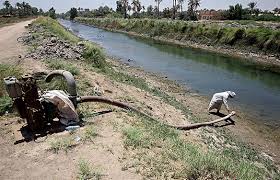
Water Scarcity in Iraq: A Looming Crisis
22/01/2025 Share :
Dr. Bareq Ali Abdulhadi<br />Iraq, often referred to as the "Land Between the Two Rivers," is home to the Tigris and Euphrates, two of the most significant water resources in the region. These rivers, flowing from Turkey and passing through Iraq, have been vital for sustaining life and agriculture for millennia. However, Iraq's water resources are under unprecedented stress due to climate change, regional disputes, and poor water management. The once abundant rivers now struggle to meet the demands of a growing population, putting Iraq on the brink of a severe water crisis.<br /><br />1- Drought and Climate Change: A Dangerous Duo<br />Over the past two decades, Iraq has experienced recurrent droughts, exacerbated by climate change. Rainfall patterns have become increasingly erratic, with prolonged dry spells severely impacting agricultural production and water availability. According to the World Resources Institute, Iraq is among the top five countries most vulnerable to water stress. This vulnerability is largely due to its reliance on rivers originating outside its borders, combined with insufficient rainfall within the country.<br />The decline in rainfall has had a ripple effect on Iraq's economy and food security. Agriculture, which employs nearly 20% of the workforce, heavily depends on irrigation from rivers and seasonal rains. Droughts have left farmlands parched, leading to reduced crop yields, increased rural unemployment, and forced migration to urban areas. This migration further strains city infrastructure and social services, compounding Iraq's socio-economic challenges.<br /><br />2- Rising Temperatures and Their Impact<br />Climate change has not only altered rainfall patterns but also caused temperatures in Iraq to rise significantly. Studies show that Iraq’s average temperature has increased by nearly 2°C over the past century, with projections indicating a rise of 1-2°C by 2050 if global emissions are not curbed. This rise in temperature has several consequences:<br />1. Increased Evaporation Rates: Higher temperatures accelerate the evaporation of water from reservoirs, rivers, and soil, reducing the amount of water available for consumption and irrigation.<br />2. Water Quality Deterioration: Rising temperatures lead to increased salinity in the Tigris and Euphrates, especially in southern Iraq. This salinity makes the water unsuitable for drinking, irrigation, or industrial use, further limiting water resources.<br />3. Public Health Risks: Heatwaves are becoming more frequent and intense, posing significant health risks, especially to vulnerable populations. The lack of adequate water during these periods exacerbates the situation, as communities struggle to stay hydrated and maintain hygiene.<br /><br />3- Regional Water Disputes<br />Compounding Iraq’s water scarcity are ongoing disputes with neighboring countries over water rights. Dams and irrigation projects in Turkey, Iran, and Syria have significantly reduced the flow of the Tigris and Euphrates into Iraq. For instance, the Ilisu Dam in Turkey has restricted water flow, leaving downstream communities in Iraq with dwindling resources. These geopolitical tensions complicate efforts to ensure equitable water distribution and highlight the urgent need for regional cooperation.<br />4- The Road Ahead: Solutions and Recommendations<br />Addressing Iraq’s water scarcity requires a multi-faceted approach:<br />1. Adopting Efficient Water Management Practices: Modernizing irrigation systems, reducing water waste, and implementing water recycling technologies can help Iraq make better use of its limited resources.<br />2. Investing in Climate-Resilient Agriculture: Encouraging drought-resistant crops and sustainable farming techniques can mitigate the impact of water shortages on agriculture.<br />3. Enhancing Regional Collaboration: Iraq must engage in diplomatic efforts to negotiate fair water-sharing agreements with upstream countries, ensuring a sustainable flow of water for all.<br />4. Raising Awareness: Public education campaigns on water conservation and the impacts of climate change are essential for fostering a culture of sustainability.<br />5. Leveraging Renewable Energy: Transitioning to renewable energy sources such as solar and wind can reduce reliance on hydropower, preserving water for essential uses.<br /><br />5- Conclusion<br />Water scarcity in Iraq is a pressing issue that demands immediate action. As the impacts of climate change intensify, the country must prioritize sustainable water management, regional cooperation, and climate resilience. The Tigris and Euphrates, which once symbolized prosperity, can still be lifelines for Iraq’s future—if their precious waters are safeguarded through collective effort and strategic planning.<br />#The_First_University_in_Iraq