The Effect of Platelet-Rich Plasma (PRP) on Hair Quality: A Revolutionary Approach to Hair Restoration
22/01/2025 Share :
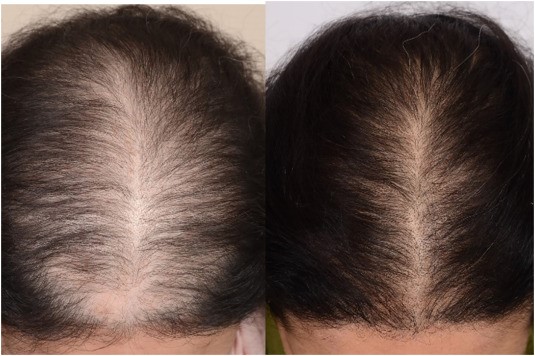
Hair loss and thinning hair are common concerns affecting millions of people worldwide, regardless of age or gender. While there are numerous treatments available, ranging from topical solutions to surgical interventions, Platelet-Rich Plasma (PRP) therapy has emerged as a promising, non-invasive option for improving hair quality and promoting hair growth. This innovative treatment leverages the body’s natural healing mechanisms to rejuvenate hair follicles and enhance hair density, texture, and overall health.<br />What is Platelet-Rich Plasma (PRP)?<br />Platelet-Rich Plasma is a concentration of platelets derived from a patient’s own blood. Platelets are rich in growth factors, which play a crucial role in tissue repair, regeneration, and healing. To create PRP, a small sample of the patient’s blood is drawn and centrifuged to separate the platelet-rich plasma from other blood components. This concentrated plasma is then injected into the scalp at the sites of hair thinning or loss.<br />How PRP Works to Improve Hair Quality<br />PRP therapy works by stimulating dormant hair follicles, increasing blood supply to the scalp, and promoting the growth of new hair. The growth factors in PRP, such as platelet-derived growth factor (PDGF), vascular endothelial growth factor (VEGF), and transforming growth factor-beta (TGF-β), play a key role in this process. These growth factors:<br />1. Stimulate Hair Follicle Activity: PRP activates stem cells in the hair follicles, encouraging them to transition from the resting phase (telogen) to the growth phase (anagen). This results in thicker, stronger hair strands.<br />2. Increase Blood Flow to the Scalp: PRP promotes angiogenesis, the formation of new blood vessels, which improves nutrient and oxygen delivery to hair follicles. This enhanced circulation revitalizes the scalp and supports healthier hair growth.<br />3. Reduce Inflammation: Chronic inflammation is a common contributor to hair loss. PRP’s anti-inflammatory properties help create a healthier environment for hair follicles to thrive.<br />4. Prolong the Hair Growth Cycle: By extending the anagen phase, PRP helps hair <br />grow longer and reduces premature shedding.<br /><br />Benefits of PRP for Hair Quality<br />1. Improved Hair Density: PRP has been shown to increase the number of active hair follicles, leading to a noticeable improvement in hair density over time.<br />2. Thicker Hair Strands: By strengthening hair follicles, PRP helps produce thicker, more resilient hair strands.<br />3. Enhanced Hair Texture: Patients often report that their hair feels softer, smoother, and healthier after PRP treatments.<br />4. Natural and Safe: Since PRP is derived from the patient’s own blood, the risk of allergic reactions or side effects is minimal.<br />5. Non-Surgical and Minimally Invasive: Unlike hair transplant surgery, PRP therapy requires no incisions or downtime, making it an attractive option for those seeking a less invasive solution.<br />Clinical Evidence Supporting PRP for Hair Restoration<br />Numerous studies have demonstrated the efficacy of PRP in treating hair loss and improving hair quality. For example:<br />• A 2014 study published in the Journal of Cutaneous and Aesthetic Surgery found that PRP injections significantly increased hair count and density in patients with androgenetic alopecia (pattern baldness).<br />• A 2019 review in Dermatologic Surgery concluded that PRP is a safe and effective treatment for hair loss, with most patients experiencing noticeable improvements after a series of sessions.<br />While results may vary depending on the individual, most patients require multiple treatments (typically 3-6 sessions spaced 4-6 weeks apart) to achieve optimal results. Maintenance sessions may also be recommended to sustain the benefits.<br />Who is a Good Candidate for PRP?<br />PRP therapy is suitable for individuals experiencing:<br />• Androgenetic alopecia (male or female pattern baldness)<br />• Thinning hair due to aging or hormonal changes<br />• Hair loss caused by stress or nutritional deficiencies<br />• Postpartum hair shedding<br />However, PRP may not be effective for individuals with complete baldness or those whose hair follicles have been inactive for an extended period.<br /><br />Potential Side Effects and Considerations<br />PRP is generally well-tolerated, with minimal side effects. Some patients may experience mild discomfort, redness, or swelling at the injection site, but these symptoms typically resolve within a few days. It is important to consult with a qualified healthcare provider to determine if PRP is the right option for your specific condition.<br />Conclusion<br />Platelet-Rich Plasma (PRP) therapy represents a groundbreaking advancement in the field of hair restoration. By harnessing the power of the body’s natural healing processes, PRP offers a safe, effective, and non-surgical solution for improving hair quality and combating hair loss. Whether you’re struggling with thinning hair, receding hairlines, or simply want to enhance the health and appearance of your hair, PRP may be the key to unlocking a fuller, more vibrant head of hair. As with any medical treatment, it’s essential to consult with a qualified professional to ensure the best possible outcomes.<br />Dr.Hussein Safaa<br />Plastic Surgeon