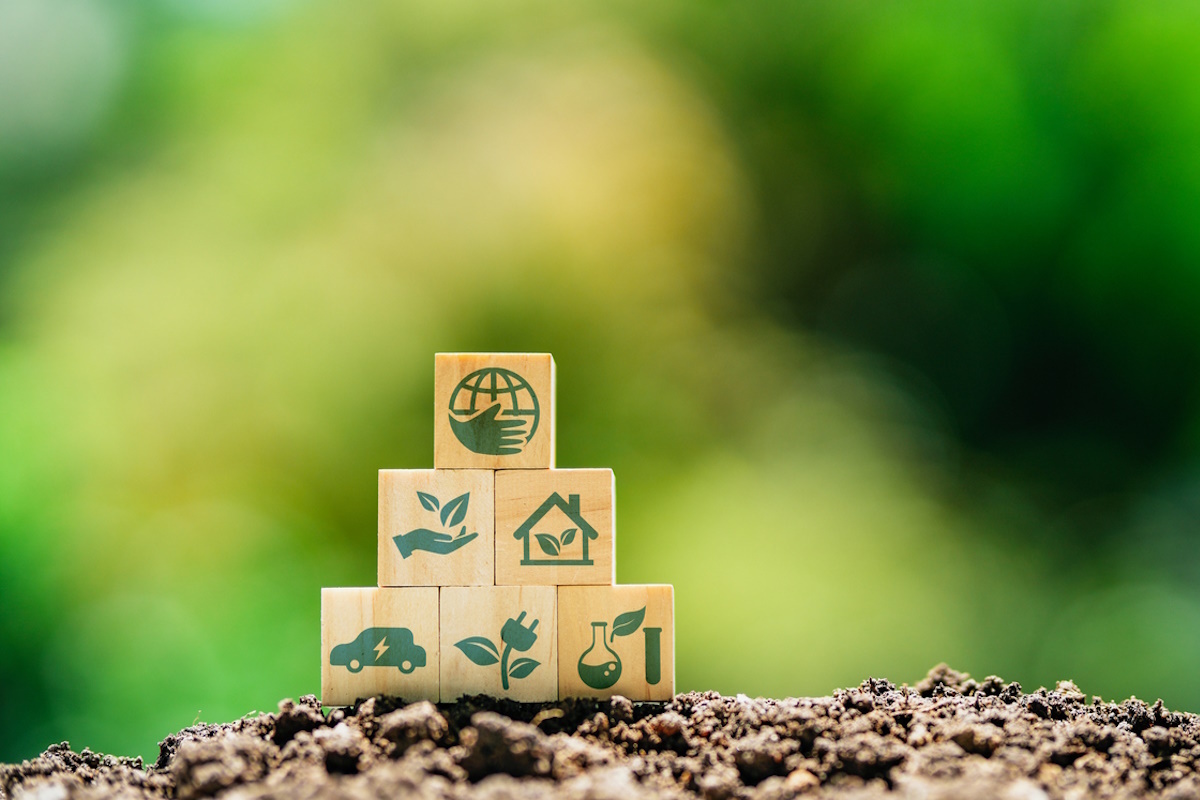
A scientific article by Ms. Nour El-Hoda Azmy Hassan entitled " Environmental Sustainability "
29/01/2025 Share :
Environmental sustainability is a concept that refers to maintaining a healthy and balanced environment in the long term by using natural resources wisely and not depleting or destroying them. Environmental sustainability aims to maintain the balance of ecosystems and protect the planet for future generations. This requires commitment to practices that reduce negative environmental impacts such as pollution, loss of biodiversity, and climate change.<br /><br />Elements of environmental sustainability:<br />Conservation of natural resources<br />Conservation of natural resources such as water, forests, and minerals depends on using them moderately and sustainably. This includes avoiding excessive depletion of these resources or using unsustainable methods that lead to their degradation.<br /><br />Reducing pollution<br />Environmental sustainability calls for reducing all forms of pollution, whether air, water, or soil pollution. For example, pollution can be reduced by using clean energy sources such as solar or wind energy, and reducing non-biodegradable waste.<br /><br />Waste management<br />Waste management is an essential part of environmental sustainability. This includes reducing the waste that is produced, recycling, and converting waste into reusable materials. Techniques such as composting and recycling plastics contribute to reducing negative environmental impacts.<br /><br />Preserving Biodiversity<br />Preserving biodiversity means protecting different species of plants and animals, and protecting them from extinction due to human activities. These species contribute to the stability and balance of ecosystems.<br /><br />Responsible consumption<br />Responsible consumption includes purchasing products that are produced in an environmentally friendly way, such as organic products or those that rely on renewable sources. This can include using biodegradable materials or using products that support sustainable agricultural practices.<br /><br />Renewable energy<br />Relying on renewable energy sources such as solar and wind instead of fossil fuels helps reduce gas emissions that contribute to climate change. Promoting the use of renewable energy is an essential part of achieving environmental sustainability.<br /><br />The importance of environmental sustainability:<br />Protecting the planet<br />Environmental sustainability ensures that the planet is healthy by reducing pollution, depletion of resources, and destruction of natural habitats.<br /><br />Balancing economic and environmental needs<br />Environmental sustainability encourages finding solutions that balance human economic needs with protecting the environment. Companies and institutions can provide sustainable products and services that bring benefits to both the economy and the environment.<br /><br />Improving quality of life<br />When a healthy environment is maintained, it leads to an improved quality of life for humans and animals alike. Clean air, clean water and healthy ecosystems enhance the well-being of all.<br /><br />Combating climate change<br />Environmental sustainability plays a key role in combating climate change by reducing carbon emissions and creating solutions that reduce the environmental impact of human activities.<br /><br />Practices that support environmental sustainability:<br />Sustainable agriculture: Using agricultural techniques that conserve soil and water and reduce the impact of pesticides and chemicals.<br />Recycling: Converting biodegradable materials and plastics into new products to reduce waste.<br />Reducing the use of fossil fuels: Relying on electric cars and vehicles powered by renewable energy.<br />Using clean energy: Investing in renewable energy sources such as solar and wind.<br />Protecting water resources: Applying techniques to rationalize water use and protect it from pollution.