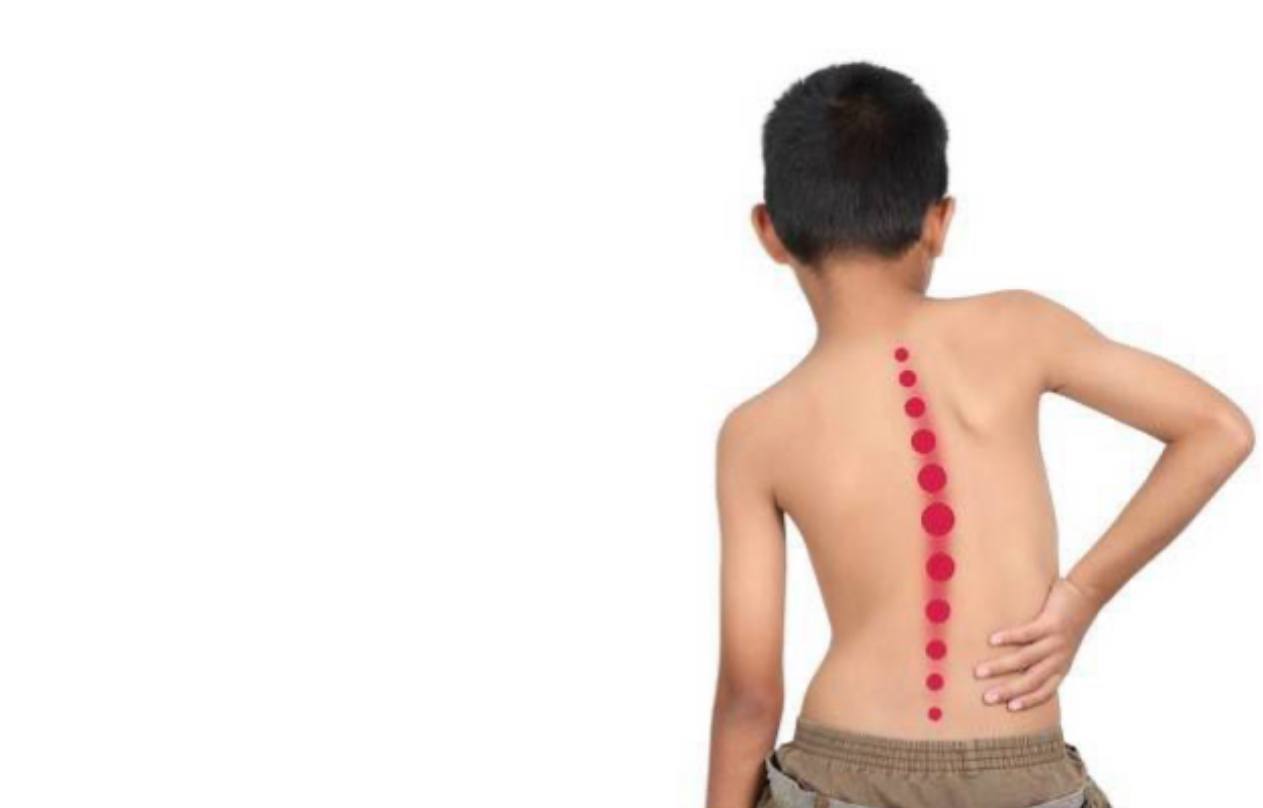
A scientific article by the teaching assistant (Maryam Latif Shandal) entitled “Scoliosis is a lateral curvature of the spine.”
26/01/2025 Share :
Scoliosis is a sideways curvature of the spine that is most often diagnosed in teenagers. Although scoliosis can occur in people with conditions such as cerebral palsy and muscular dystrophy, the cause of most scoliosis cases in children is unknown.<br /><br />Most scoliosis is mild, but some curves get worse as a child grows. Severe curves can be disabling. A severe spinal curvature can reduce the amount of space inside the chest, making it harder for the lungs to work properly.<br /><br />Children with mild scoliosis should be monitored closely, usually with X-rays, to see if the curve is getting worse. In many cases, no treatment is needed. However, some children may need to wear braces to stop the curve from getting worse. Others may need surgery to correct severe curves.<br /><br />Symptoms<br />Symptoms of scoliosis may include:<br /><br />Uneven shoulders.<br /><br />One shoulder blade sticks out more than the other.<br /><br />Uneven waist.<br /><br />One hip is higher than the other.<br /><br />One side of the rib cage sticks out.<br /><br />One side of the back sticks out when leaning forward.<br /><br />In most cases of scoliosis, the spine twists or twists in addition to curving from side to side, causing the ribs or muscles on one side of the body to stick out more than the other.<br /><br />When to see a doctor<br />See your child for signs of scoliosis. Mild curves may appear without you or your child noticing because they develop gradually and don't cause pain. Sometimes teachers, friends, and sports teammates are the first to notice scoliosis in a child.<br /><br />Causes<br />Doctors don't know what causes the most common type of scoliosis (curvature of the spine), but it appears to be genetic because the disorder sometimes runs in families. Less common types of scoliosis may be caused by:<br />Certain neuromuscular conditions, such as cerebral palsy or muscular dystrophy. Problems present at birth that affect the growth of the bones of the spine.<br />Previous chest wall surgery in early childhood.<br />Injury or infection of the spine.<br />Spinal cord disorders<br /><br />Symptoms<br /><br />Early symptoms of meningitis may resemble those of the flu. Symptoms can appear within hours or days.<br /><br />Possible symptoms in anyone older than 2 years include:<br /><br />Sudden high fever.<br />Stiff neck.<br />Severe headache.<br />Nausea or vomiting.<br />Confusion or difficulty concentrating.<br />Seizures.<br />Drowsiness or difficulty waking up.<br />Sensitivity to light.<br />Loss of appetite or thirst.<br />In some cases, such as meningococcal meningitis, a rash.<br />Signs in newborns<br />Newborns and infants may have the following signs:<br /><br />High fever.<br />Constant crying.<br />Extreme sleepiness or irritability.<br />Difficulty waking up.<br />Lack of sleep or sluggishness.<br />Not waking up to eat.<br />Lack of food.<br />Vomiting.<br />A lump on the soft spot on top of the baby's head.<br />Stiffness of the body and neck.<br />Infants with meningitis may be difficult to soothe. They may cry more when held.