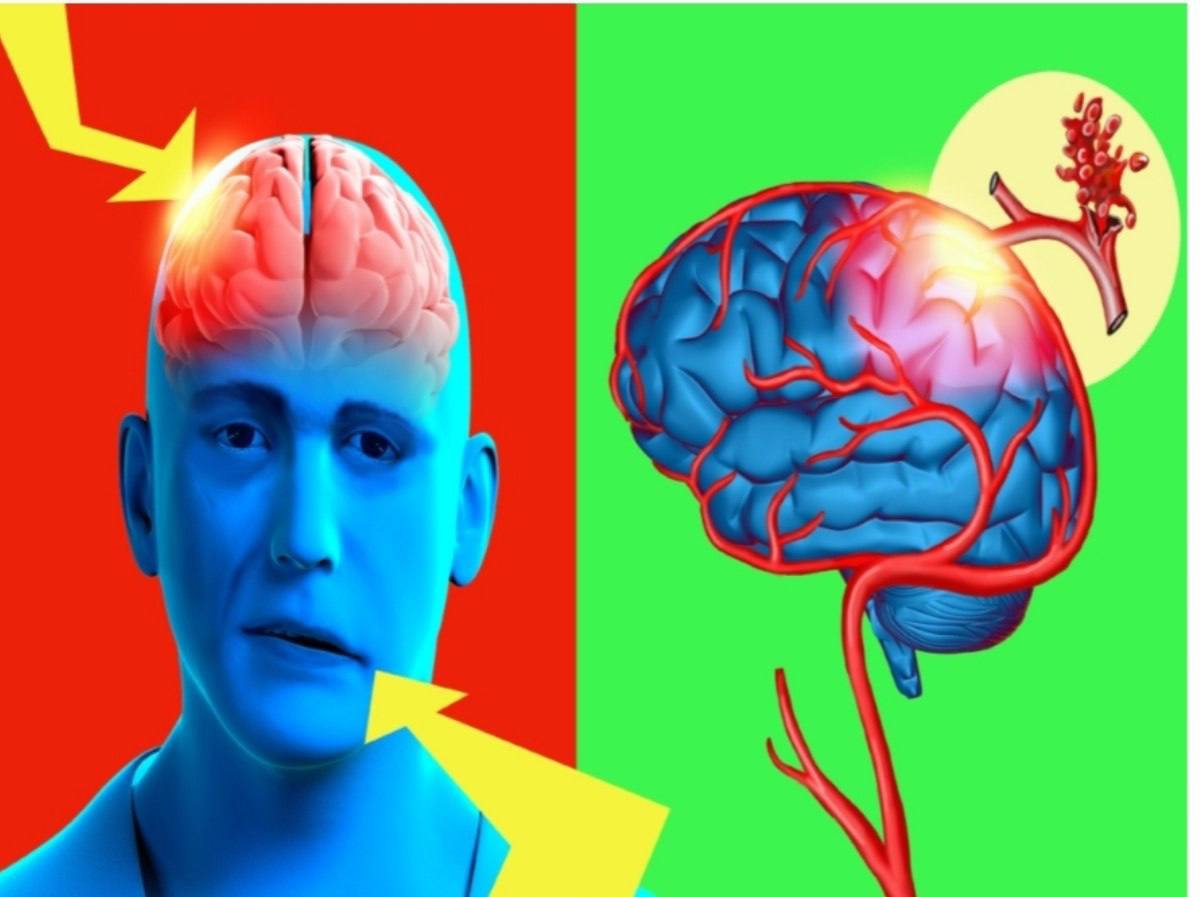
A scientific article entitled "Stroke" by the lecturer (Mr. Ali Jaafar Obaid).
26/01/2025 Share :
A stroke occurs when there is a lack of blood flow to a part of the brain. This defect leads to damage to nerve cells and loss of their function.<br /><br />- Types of strokes<br /><br />1- Ischemic stroke: It is caused by a lack of blood flow due to a blockage or narrowing of the cerebral artery responsible for delivering oxygen and nutrients to the brain cells.<br /><br />Artery blockage is either the result of:<br /> A substance deposited in the artery wall that led to a thrombosis<br /><br />(blockage of a blood vessel by a blood clot that forms<br /><br />locally)<br /><br />Or an embolism (blockage due to an embolus from another place in the body such as the heart)<br /><br /> Or a lack of systemic blood flow<br /><br />2- Hemorrhagic stroke: Bleeding occurs due to the explosion or rupture of blood vessels, which results in swelling and pressure in the brain; Which leads to damage to the cells and tissues in it, and in most cases may lead to death, and it has several causes, one of which is irregular high blood pressure.<br />Symptoms<br /><br />Difficulty speaking and understanding others. A person who has had a stroke may lose consciousness, slur his speech, or not understand what is being said to him.<br /><br />Numbness, weakness, or paralysis of the face, arm, or leg. These symptoms usually occur in only one side of the body. Ask the patient to raise his arms above his head. If one arm begins to drop, this may indicate a stroke. One side of the mouth drooping when smiling may also be a sign of a stroke.<br /><br />Vision disturbances in one or both eyes. The patient may suddenly find that his vision is blurred or dimmed in one or both eyes. Or he may see things double.<br /><br />Headache. A stroke may be accompanied by a sudden, severe headache. This headache may be accompanied by vomiting, dizziness, and a disturbance in consciousness.<br /><br />Difficulty walking. A person who has had a stroke may stumble, lose his balance, or have difficulty controlling movement.<br /><br />Causes<br />There are two main causes of stroke. An ischemic stroke is caused by a blockage in an artery in the brain. A hemorrhagic stroke is caused by a leak or rupture of a blood vessel in the brain. Some people may have a temporary interruption of blood flow to the brain, known as a transient ischemic attack (TIA). This attack causes no lasting symptoms.<br />-There are many factors that can increase your risk of stroke. Treatable stroke risk factors include:<br />Lifestyle risk factors<br />Being overweight or obese.<br />Being physically inactive.<br />Drinking too much alcohol.<br />Use of illegal drugs such as cocaine or methamphetamine.<br />Medical risk factors<br />High blood pressure.<br />Smoking cigarettes or being exposed to secondhand smoke.<br />High cholesterol.<br />Diabetes.<br />Obstructive sleep apnea.<br />Cardiovascular disease, including heart failure, heart defects, heart infections, or a heart rhythm disorder such as atrial fibrillation.<br />A personal or family history of stroke, heart attack, or TIA.<br />Covid 19 infection.<br /><br />The impact of strokes varies from one person to another. The effect may be mild, moderate, or severe leading to disability. This certainly depends on several factors:<br /> Type of stroke (ischemic or vascular).<br /> The affected brain lobe (right or left).<br /> The duration of the brain in a state of ischemia.<br /> The time it takes to go to the nearest hospital where the necessary treatment is available.<br /> Whether the stroke is mild or severe, go to the nearest hospital even if the symptoms disappear<br /><br />-Treatment:-<br /><br />Intravenous medication that can break up clots should be given within four and a half hours of the onset of symptoms. The sooner the medication is given, the better. Prompt treatment improves your chances of survival and may reduce complications. Recombinant tissue plasminogen activator (RTPA) injections through a vein are the standard treatment for ischemic stroke<br /><br />-Prevention:-<br />Many of the ways to prevent stroke are the same as those used to prevent heart disease. General healthy lifestyle recommendations include:<br /><br />-Controlling high blood pressure<br />-Reducing the amount of cholesterol and saturated fat in your diet<br />-Quitting smoking<br />-Controlling diabetes<br />-Maintaining a healthy weight.<br />-Treatment for obstructive sleep apnea. Obstructive sleep apnea is a sleep disorder that causes you to stop breathing for short periods of time during sleep. Your health care professional may recommend a sleep study if you have symptoms of obstructive sleep apnea.