A Scientific Article by Dr. Asil Amer Hadi, titled(Bioenergy and Its Role in Sustainable Development)
29/01/2025 Share :
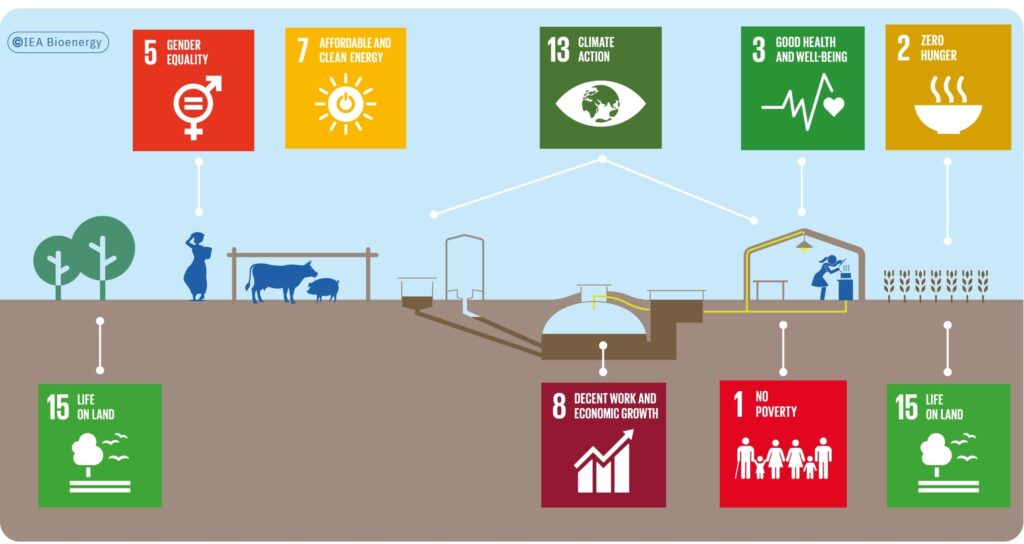
Bioenergy is one of the renewable energy sources that rely on organic materials, such as plants, agricultural waste, animal waste, and other plant-based materials, to convert them into energy for electricity generation, biofuel production, or even for heating and cooking purposes. Bioenergy represents a promising solution for meeting the world's energy needs in a sustainable way, especially in the face of challenges related to climate change and the reduction of harmful greenhouse gas emissions.<br /><br />What is Bioenergy?<br />Bioenergy refers to the energy obtained from biological materials (organic matter), and it forms an essential source of clean and renewable energy that does not harm the environment. Organic materials can be converted into energy through various processes such as direct combustion, anaerobic digestion, or conversion into biofuels (such as ethanol and biodiesel).<br /><br />The Role of Bioenergy in Sustainable Development<br />Bioenergy plays a key role in achieving sustainable development goals through its contributions in several areas:<br /><br />1. Reducing Carbon Emissions: Although converting organic materials into energy emits some gases, bioenergy is considered more sustainable than fossil fuels because plants absorb carbon dioxide during their growth. Therefore, bioenergy can contribute to reducing harmful greenhouse gas emissions and mitigating climate change.<br /><br />2. Supporting Economic Diversification: Bioenergy helps boost the economy by creating new job opportunities in agriculture, industry, and waste management. It also provides an alternative solution for regions that are dependent on fossil fuels for their energy needs.<br /><br />3. Achieving Energy Security: By diversifying energy sources, bioenergy helps improve energy security, especially in countries that lack significant reserves of oil or gas. It offers a renewable alternative to fossil fuels, enhancing the reliability and resilience of energy systems.<br /><br />4. Promoting Sustainable Agriculture: Bioenergy can contribute to the sustainability of agriculture by utilizing agricultural and animal waste to produce energy, reducing the environmental impact of these waste materials. This supports circular economy practices and helps reduce landfill waste.<br /><br />Challenges and Opportunities<br />While bioenergy offers numerous benefits, there are challenges to its widespread use:<br /><br />• Competition with Food Production: Using land for biofuel production may reduce the availability of land for food crops, potentially threatening food security, especially in regions with limited arable land.<br />• High Costs: In some cases, producing bioenergy can be more expensive than conventional fossil fuels, requiring significant government support or investments in research and development to lower production costs.<br />• Technological Advancements: Some bioenergy technologies are still in their early stages, which means more innovation is needed to improve their efficiency and reduce production costs.<br />Conclusion<br />Bioenergy represents a crucial pillar in achieving sustainable development, contributing to reducing reliance on fossil fuels, enhancing energy security, and promoting a green economy. With continued advancements in technology and research, bioenergy can become a key solution in addressing climate change challenges and ensuring the sustainable use of natural resources for future generations.