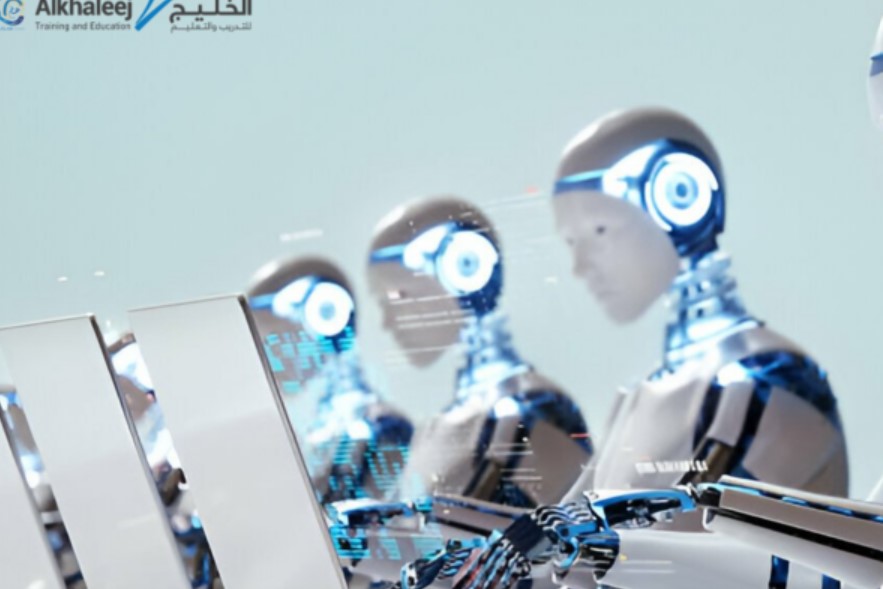
AI Impact on Job Market
02/02/2025 Share :
<br />In recent decades, the world has witnessed rapid advancements in artificial intelligence (AI), leading to significant shifts in the job market. AI is now capable of performing complex tasks that previously required human intervention, impacting job opportunities and the skills needed for the future.<br /><br />Effects of AI on Jobs<br />Automation of Traditional Jobs<br /><br />Many companies rely on AI to automate routine tasks such as customer service, data entry, and manufacturing.<br />Robots and intelligent software reduce the need for some traditional jobs, decreasing demand in certain fields.<br />Creation of New Jobs<br /><br />While AI replaces some jobs, it also creates new opportunities in fields like AI engineering, data analysis, and cybersecurity.<br />Companies need experts to develop and maintain AI systems, increasing demand for these skills.<br />Changing Skill Requirements<br /><br />The focus is no longer just on traditional skills but has shifted to technical skills such as programming, data analysis, and algorithm understanding.<br />Creative and critical thinking skills are becoming more important as AI struggles to replicate them completely.<br />How Can Individuals Adapt?<br />Learn Technical Skills: Improving job prospects by learning programming, AI, and data analysis.<br />Develop Soft Skills: Leadership, creativity, and critical thinking will always be in demand.<br />Embrace Change: Employees should be flexible and willing to learn new technologies continuously.<br />Conclusion<br />AI will continue transforming the job market, but this does not necessarily mean job losses. Instead, it requires adaptation to new technologies. By developing skills and embracing lifelong learning, individuals can thrive in the AI era.<br />