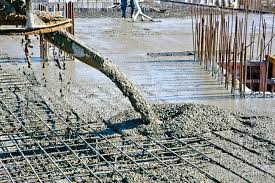
Concrete: The Building Material That Shaped the Modern World
05/02/2025 Share :
Lec Raghadh ALI <br />facing the world today, such as climate change, depletion of natural resources, and high rates of pollution, the idea of sustainable buildings has become an urgent necessity to ensure a more sustainable future for future generations. Sustainable buildings, or what are known as green buildings, are those that are designed, implemented, and managed in a way that reduces their negative impact on the environment, while enhancing the quality of life for their residents.<br /><br />What are sustainable buildings?<br />Sustainable buildings are structures built using environmentally friendly materials and designed to be efficient in the use of energy and water, while reducing waste and carbon emissions. These buildings take into account the entire life cycle of the building, starting from the design and construction stage, through operation and maintenance, and even demolition and recycling.<br /><br />The importance of sustainable buildings<br />Preserving the environment: Sustainable buildings contribute to reducing carbon emissions by using renewable energy sources such as solar and wind energy. They also rely on building materials that are recyclable or from sustainable sources, which reduces the depletion of natural resources.<br /><br />Energy conservation: Green buildings are designed to be highly energy efficient, through technologies such as advanced thermal insulation, double-glazed windows, and smart heating and cooling systems. This leads to a significant reduction in energy bills.<br /><br />Improving quality of life: Sustainable buildings take into account the health and psychological comfort of residents, by improving indoor air quality, using natural lighting, and providing green spaces.<br /><br />Long-term economic cost: Although the cost of building sustainable buildings may be higher initially, they provide lower operating costs in the long run due to lower energy and water consumption.<br /><br />Principles of sustainable building design<br />Energy efficiency: Buildings are designed to reduce energy consumption by using energy-efficient lighting systems, highly efficient electrical appliances, and advanced heating and cooling systems.<br /><br />Water management: This includes techniques such as rainwater harvesting, using efficient irrigation systems, and installing water-saving faucets and plumbing fixtures.<br /><br />Choosing sustainable materials: Environmentally friendly building materials are chosen, such as certified wood from sustainable sources, low-carbon concrete, and recycled materials.<br /><br />Indoor environmental quality: Indoor air quality is improved by using efficient ventilation systems, and reducing the use of harmful chemicals in paints and furniture.<br /><br />Integration with the surrounding environment: Buildings are designed to blend in with the surrounding environment, taking into account factors such as local climate, soil, and available natural resources.<br /><br />Examples of sustainable buildings around the world<br />The Crystal Building in London: It is considered one of the most sustainable buildings in the world, as it relies entirely on renewable energy, and uses advanced energy and water management technologies.<br /><br />One Angeles Building in Los Angeles: This building features a design that allows for a large use of natural lighting, reducing the need for artificial lighting.<br /><br />Masdar City Project in Abu Dhabi: This project is a model of a sustainable city, as it relies on solar energy and features a design that reduces energy and water consumption.<br /><br />Challenges facing sustainable buildings<br />Despite the many benefits of sustainable buildings, there are some challenges facing their spread, including:<br /><br />High initial cost: The cost of building sustainable buildings may be higher than traditional buildings, making them less attractive to investors.<br /><br />Lack of awareness: There is still a lack of awareness of the importance of sustainable buildings in some areas, which limits their spread.<br /><br />Legislation and laws: In some countries, there is not enough legislation to encourage the construction of sustainable buildings.<br /><br />Conclusion<br />Sustainable buildings are not just a modern architectural trend, but a necessity to address the environmental and economic challenges facing the world today. By adopting the principles of sustainability in construction, we can create more balanced urban environments that conserve natural resources and provide a better life for individuals. Investing in sustainable buildings is an investment in a brighter, less polluted future for generations to come.