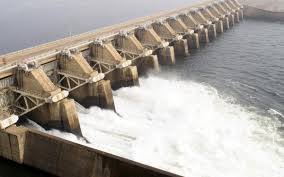
Dams: A Vital Tool for Water Management and Sustainable Development
05/02/2025 Share :
Lec Alaa Hussein <br />Dams are among the most prominent engineering structures that play a pivotal role in water resource management, and they greatly affect the environment, economy, and local communities. By controlling the flow of water, dams provide water to dry areas, generate electricity, and protect lands from floods. However, the construction of dams is not without environmental and social challenges and risks. In this article, we will discuss the importance of dams, their types, benefits, and challenges.<br /><br />First: Definition of dams<br />A dam is an engineering structure built on rivers or waterways with the aim of controlling the flow of water, either to store, regulate, or divert it to other areas. Dams vary in size and purpose, some are small, used to store water for irrigating agricultural lands, and some are large, aiming to generate electricity or prevent floods.<br /><br />Second: Types of dams<br />Dams vary according to the use and materials used in their construction, and can be classified into several main types:<br /><br />Hydroelectric Dams: These dams are used to generate electricity by exploiting the kinetic force of flowing water. Water is stored in the reservoir behind the dam, and when the dam gates are opened, the water flows through the turbines to generate power.<br /><br />Earth Dams: These dams are built using compacted earth and rock, and are often used in areas where there are no other suitable building materials. These dams are less expensive but can erode if not maintained properly.<br /><br />Concrete Dams: These dams use concrete as the primary building material and are considered the most durable and solid. They are often used in places that require a strong and reliable structure, such as areas with steep slopes.<br /><br />Flood Control Dams: These dams are specifically designed to control floods and protect land from damage caused by them. The dam collects excess water during periods of heavy rain, stores it, and then gradually releases it when water levels drop.<br /><br />Third: Benefits of Dams<br />Water Supply: Dams are one of the primary sources of water storage that can be used for irrigation, drinking, and industry. In dry or rain-scarce areas, dams are an important solution to provide water throughout the year.<br /><br />Hydroelectric power generation: Dams are one of the most prominent means of generating renewable energy by converting the kinetic energy of flowing water into electricity. Hydroelectric power is one of the cleanest and simplest sources of energy compared to traditional power plants.<br /><br />Flood control: Dams regulate the flow of water from rivers during periods of heavy rain, which helps prevent flooding and protect cities and agricultural lands from destruction. Dams can also store water for use in times of drought.<br /><br />Water transport: Dams contribute to improving the transport of goods through rivers and waterways by ensuring a constant water level, which facilitates navigation and reduces the risk of water obstacles.<br /><br />Recreation and biodiversity: In some cases, reservoirs formed behind dams can be transformed into tourist sites for recreation, such as fishing or water sports. Dams may also provide new habitats for wildlife species.<br /><br />Fourth: Challenges and Risks<br />Despite the many benefits of dams, there are many challenges and risks associated with them:<br /><br />Environmental impacts: Dams can lead to significant changes in the surrounding environment. For example, animal and plant species may be isolated in the dammed rivers, hindering fish migration or plant distribution. Silt accumulation behind dams can also reduce the fertility of downstream lands.<br /><br />Forced displacement: Dams can cause the displacement of many local communities, leading to the loss of their homes and resources. The areas where dams are built are usually densely populated, making this displacement a significant humanitarian issue.<br /><br />Engineering risks: Large dams, especially if they are old or poorly maintained, pose a real risk in the event of any structural failure, which can lead to devastating flood disasters. Dam failure can lead to widespread destruction and loss of life.<br /><br />Climate Change: With climate change, dams may face new challenges such as rising temperatures, fluctuating rainfall, or unexpected floods. These changes may affect the ability to store water and generate energy.<br /><br />Fifth: Dams in the Arab World<br />In many Arab countries, dams are a vital element in water management strategies, especially in areas such as Egypt, Jordan, Saudi Arabia, and Morocco. For example, the Aswan Dam in Egypt is considered one of the largest dams in the world and contributes significantly to providing water and electricity. Likewise, dams in Saudi Arabia represent a major means of addressing water scarcity in the country.<br /><br />Conclusion<br />Dams are one of the essential tools that have contributed to improving human life throughout the ages, whether by providing water, generating energy, or protecting agricultural land. With the development of technology, dams have become more efficient and have less impact on the environment, but it is still important that these projects be constructed with great care and a comprehensive assessment of environmental and social risks.