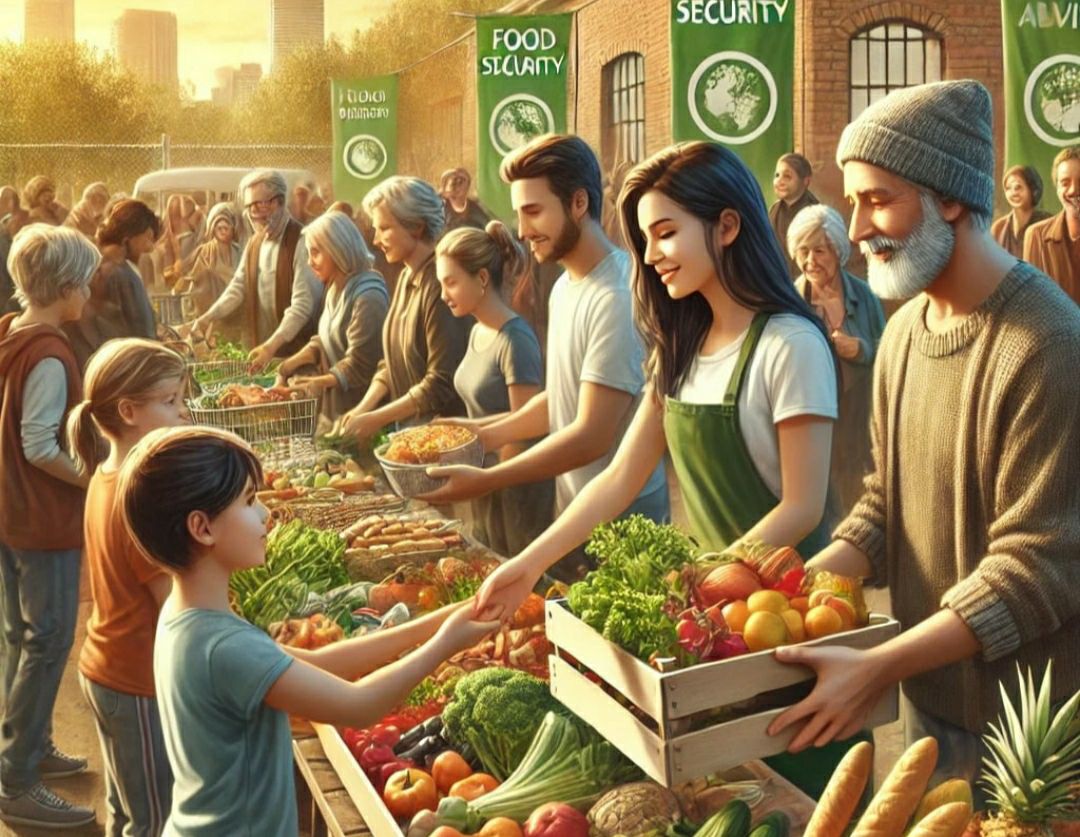
The article titled "Goal 2 of the Sustainable Development Goals: Ending Hunger for a Sustainable Future" by Professor Hassanine Alaa Mohammed Yasari.
08/02/2025 Share :
The Sustainable Development Goals (SDGs), launched by the United Nations in 2015, serve as a global roadmap to achieve a more sustainable and just future by 2030. Among these 17 goals, the second one stands out: the goal of ending hunger completely, ensuring a dignified and equal life for everyone. Hunger is one of the greatest challenges facing humanity today, with more than 735 million people worldwide suffering from food insecurity and malnutrition.<br /><br />What is the second goal?<br />"End hunger" means eradicating famine worldwide and ensuring that every individual has access to sufficient, nutritious, and safe food by 2030. This goal also includes improving agricultural production, supporting small farmers, and promoting sustainable food systems.<br /><br />Sub-goals to achieve "End Hunger"<br />Eliminate hunger and malnutrition by 2030.<br />Ensure everyone, especially children and vulnerable groups, has access to nutritious and safe food.<br />Support local farmers and boost agricultural productivity.<br />Achieve sustainable agricultural systems to combat climate change.<br />Causes of Hunger in the World<br />Although the world produces enough food for everyone, hunger persists due to:<br /><br />Conflicts and wars: These prevent people from accessing food and cause population displacement.<br />Climate change and natural disasters: Such as droughts and floods that destroy crops.<br />Poverty and unemployment: These prevent people from buying healthy and nutritious food.<br />Weak investment in agriculture: Leading to low food production.<br />Food waste: Approximately one-third of all food produced globally is lost due to poor storage and irresponsible consumption.<br />How to Achieve This Goal?<br />Governments and international institutions:<br />Support sustainable agriculture and food innovation.<br />Improve food distribution systems.<br />Provide food assistance to the poor.<br />Private companies and institutions:<br />Invest in smart, sustainable agriculture.<br />Adopt modern technologies to produce more sustainable food.<br />Successful Examples in Ending Hunger<br />World Food Programme: Helps millions of people in over 80 countries by providing food and emergency aid.<br />Soilless farming project in the Middle East: Helps produce food in desert regions.<br />Food waste reduction campaigns: Such as the "Save Food" initiative in Europe, which encourages reducing food waste.<br />Conclusion<br />"Ending hunger" is not just a dream but a goal that can be achieved through international cooperation, smart investments, and changes in our eating habits. If we all work together, we can create a world where no one suffers from hunger, and everyone enjoys healthy and sustainable food.<br /><br /><br /><br /><br />