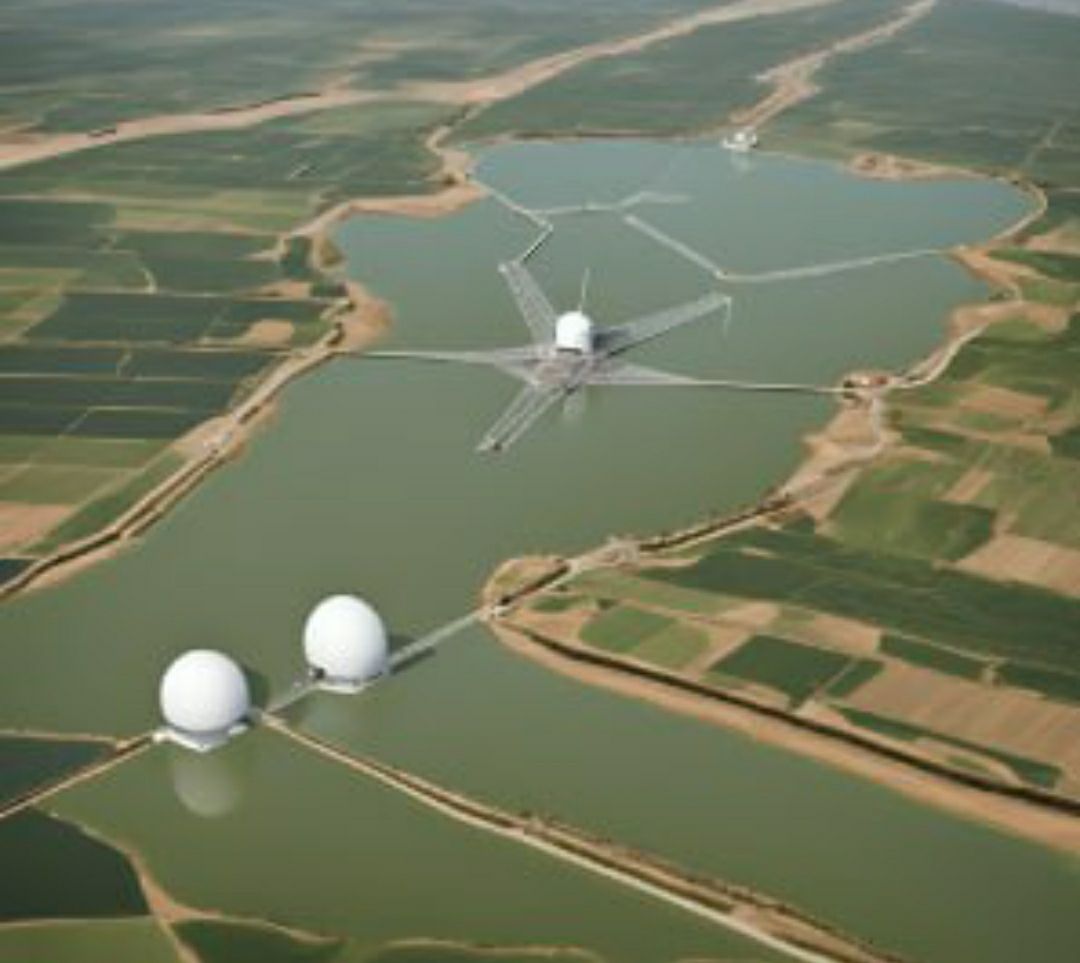
The Role of Electrical Engineering in Improving Water Management Efficiency Using Smart Communication Systems and Drones
09/02/2025 Share :
The Role of Electrical Engineering in Improving Water Management Efficiency Using Smart Communication Systems and Drones<br /><br />Water management is one of the major challenges facing modern societies, especially with population growth and climate change. Here, electrical engineering plays a crucial role in providing innovative solutions based on smart communication systems and Unmanned Aerial Vehicles (UAVs) to improve water management efficiency.<br /><br />Smart Communication Systems:<br />These systems rely on technologies such as the Internet of Things (IoT) and wireless networks to provide smart solutions for monitoring and managing water.<br /><br />Consumption Monitoring: Connected sensors transmit real-time data on water consumption, helping to identify leaks or invisible wastage.<br />Water Quality Monitoring: Data about water quality is transmitted from treatment plants to control centers to ensure the provision of safe water.<br />Infrastructure Management: The condition of pipes and stations is monitored to predict problems before they occur, reducing maintenance costs and extending the infrastructure's lifespan.<br />Unmanned Aerial Vehicles (UAVs):<br />UAVs are powerful tools for improving water management due to their ability to collect data accurately and efficiently.<br /><br />Water Source Monitoring: Drones collect precise data about rivers and dams using multispectral cameras to analyze the volume and quality of water.<br />Leak Detection: They rely on thermal sensing technologies to detect leaks in pipelines quickly and effectively.<br />Sustainable Agriculture: Drones are used to monitor soil moisture levels to improve irrigation efficiency and reduce water wastage.<br />Integration of Technologies:<br />Smart communication systems can be integrated with UAVs for comprehensive water management. For example:<br /><br />Flood Monitoring: Drones send data about flood-prone areas to communication systems to alert authorities.<br />Resource Management: 3D digital models of water sources are developed to support long-term planning.<br />Challenges and Future Solutions:<br />Despite the significant benefits of these technologies, there are challenges such as ensuring the stability of communication networks, improving the battery life of UAVs, and the high costs. These challenges can be overcome through investment in research and development and increased collaboration between governments and private companies.<br /><br />Conclusion:<br />Electrical engineering plays a central role in improving water management by developing smart communication systems and UAVs. These technologies provide innovative solutions to address water-related challenges, contributing to sustainable and efficient water resource management. Cooperation between engineers and water management specialists is key to building a sustainable future for generations to come.<br /><br /><br /><br /><br />