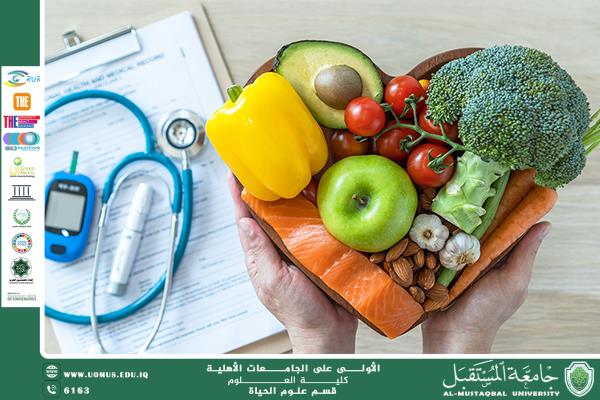
A scientific article by Ms. Noor al-Huda Azmi Hassan entitled "The importance of balanced nutrition in preventing chronic diseases"
21/02/2025 Share :
The Importance of Balanced Nutrition in Preventing Chronic Diseases<br /><br />A balanced diet plays a vital role in maintaining overall health and preventing chronic diseases. Chronic diseases such as heart disease, diabetes, high blood pressure, and cancer have become some of the world's most prominent health challenges, and can be largely prevented by choosing healthy and balanced diets. In this article, we will discuss the importance of proper nutrition in preventing these diseases and how a thoughtful diet can reduce the risk of developing them.<br /><br />1. Promote cardiovascular health:<br />Reducing saturated and harmful fats: A balanced diet containing healthy fats such as omega-3 found in fish and vegetable oils can improve heart health. In contrast, reducing the intake of saturated and trans fats helps reduce harmful cholesterol levels (LDL) in the blood.<br />Eat foods rich in fiber: Foods such as whole grains, fruits, and vegetables contain fiber that contributes to reducing cholesterol levels in the blood and improving heart health.<br />2. Diabetes prevention:<br />Improved sugar control: Diets that contain moderate amounts of complex carbohydrates (such as brown rice, whole grain bread) can help improve the body's response to insulin, reducing the risk of type 2 diabetes.<br />Balanced meal distribution: Eating small, frequent meals throughout the day helps keep blood sugar levels stable, and reduces the risk of sharp fluctuations that may lead to diabetes.<br />3. Preventing high blood pressure:<br />Reducing sodium and increasing potassium: Reducing salt (sodium) intake and increasing potassium-rich foods such as bananas, potatoes, and spinach can help lower blood pressure.<br />Reducing processed foods: Processed foods rich in sodium can raise blood pressure, so reducing them is an essential part of a balanced diet.<br />4. Cancer prevention:<br />Antioxidants and phytochemicals: Foods rich in antioxidants such as berries, colorful fruits and vegetables contain phytochemicals that may help protect cells from damage that leads to cancer.<br />Reduce your intake of processed meats: Research suggests that eating processed meats may increase your risk of some types of cancer, so reducing your intake of these foods can help prevent it.<br />5. Reduce your risk of obesity:<br />Choose nutrient-dense foods: Eating foods that are moderate in calories but rich in vitamins and minerals helps control weight and prevent obesity, which is a major risk factor for many chronic diseases.<br />Balance between protein and carbohydrates: Lean proteins such as fish and poultry, in addition to healthy carbohydrates such as whole grains, contribute to feeling full and limiting overeating.<br />6. Support the immune system:<br />A diet rich in vitamins and minerals: Vitamins such as vitamin C, vitamin D, and minerals such as zinc and selenium help boost and strengthen the immune system, which reduces the likelihood of infection and chronic diseases.<br />Conclusion:<br />A balanced diet is a fundamental foundation in preventing many chronic diseases. By eating a healthy diet that includes all food groups (proteins, carbohydrates, healthy fats, fruits and vegetables) with an emphasis on reducing processed foods, individuals can improve their overall health and reduce their risk of chronic diseases. Good nutrition is not only a way to improve quality of life, it is a key factor in preventing diseases that can greatly affect our lives and future health.<br /><br />AL_mustaqbal University is the first university in Iraq<br />