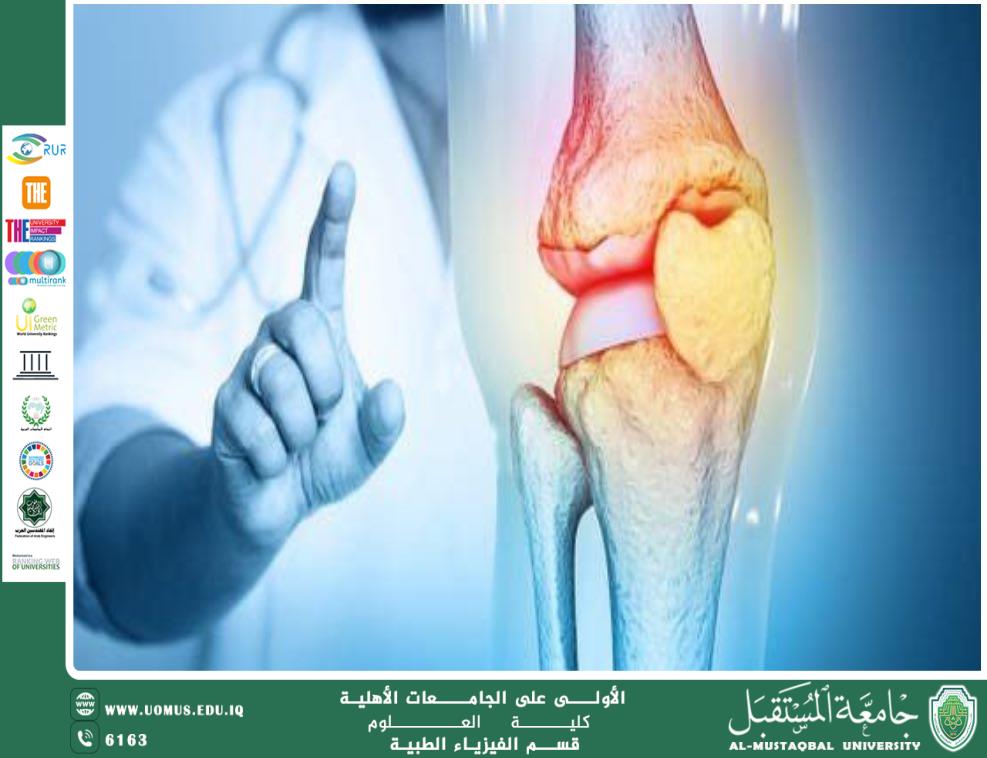
A Revolution in Orthopedic Surgery: An Innovative Zinc-Based Material Reshaping the Future of Medical Treatments By: Dr. Karim Abis Hindul
22/02/2025 Share :
Introduction<br />In a groundbreaking discovery announced on Sunday, February 16, 2025, a team of researchers from Monash University in Australia developed a new biodegradable material based on zinc, marking a significant breakthrough in orthopedic surgery. The study, published in Nature journal, reveals how this innovation could redefine the future of medical treatments and bone repair.<br /><br />Traditionally, orthopedic implants have been made from stainless steel or titanium to stabilize bones. However, these materials remain permanently in the body, often causing discomfort or necessitating additional surgeries for removal.<br /><br />The newly engineered material, designed by biomedical engineers at Monash, offers a more efficient alternative by providing the necessary mechanical strength to support bones while gradually degrading within the body in a safe manner—thereby enhancing the healing process.<br /><br />The Innovation: Zinc-Based Alloys<br />According to the study published in Medical Xpress, the developed zinc alloy material demonstrates mechanical strength comparable to permanent steel implants while outperforming magnesium-based biodegradable implants in terms of durability.<br /><br />Professor Jian Feng Ni, the lead researcher of the study, emphasized the potential of this material to revolutionize orthopedic medicine. He explained that it could reduce complications, minimize the need for additional surgeries, and offer a more sustainable alternative to permanent metal implants.<br /><br />"The newly developed material allows for the design of smaller and safer implants, enhancing patient comfort while also improving healing outcomes by reducing the impact on surrounding tissues. Permanent implants may pose long-term risks, while rapidly degrading biodegradable implants don’t allow enough time for proper bone healing. Our zinc alloy strikes the perfect balance between strength and controlled degradation to promote optimal healing," Ni stated.<br /><br />Unique Mechanical Properties<br />The research highlights how controlling the size and orientation of the material’s grains gives the zinc alloy unique mechanical properties. This allows it to bend and adapt to the surrounding tissue, enhancing both strength and flexibility. This adaptability makes the material particularly suitable for complex bone structures and sensitive areas where traditional implants may cause discomfort or complications.<br /><br />Future Applications and Prospects<br />These findings pave the way for a new startup from Monash University, focusing on developing the next generation of biodegradable implants. This could open new horizons in regenerative medicine while reducing the need for permanent implants.<br /><br />Conclusion<br />This zinc-based innovation represents a paradigm shift in orthopedic surgery, offering an effective, sustainable, and patient-friendly alternative to permanent implants. With continued research and development, this breakthrough could significantly improve the quality of life for patients and revolutionize the way bone injuries are treated in the future.<br /><br />University of the Future – The First University in Iraq