A scientific article by the assistant professor Banin Maan Karim entitled "Human Herpes Virus"
22/02/2025 Share :
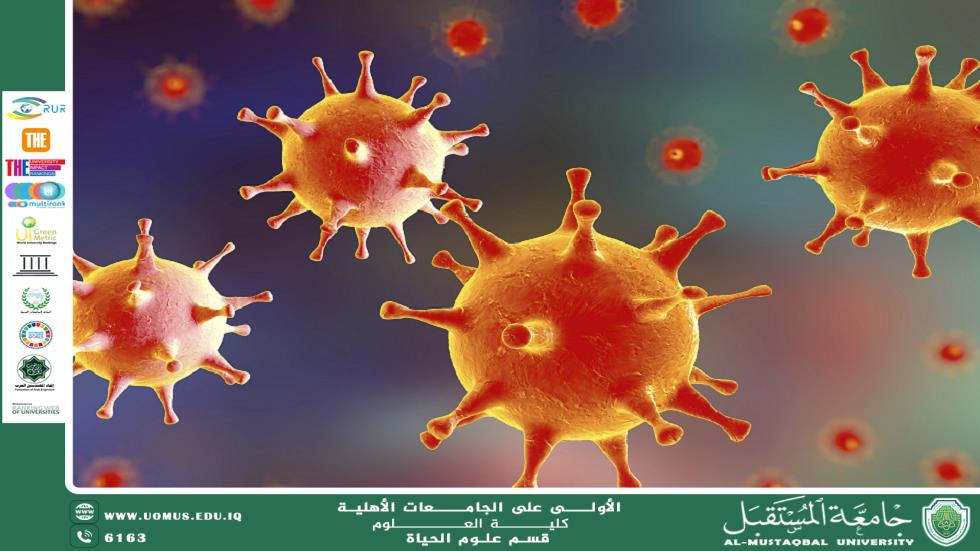
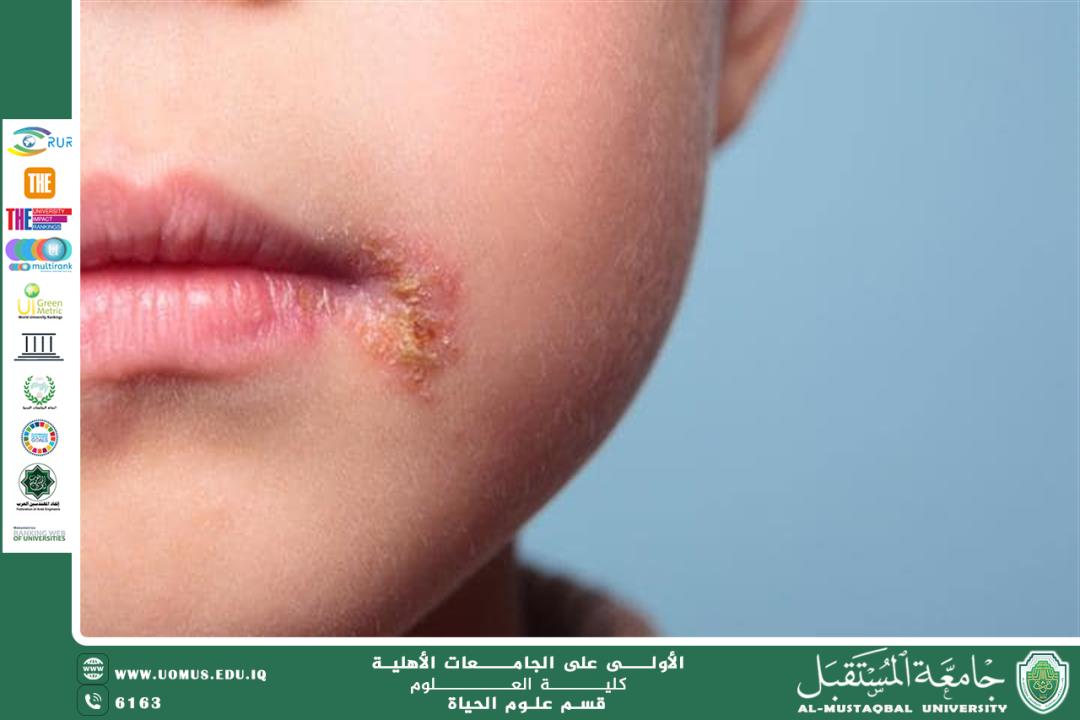
Human Herpes Virus<br />Human herpes viruses (Herpesviridae) are a group of viruses that infect humans and cause a variety of diseases ranging from mild skin infections to serious diseases of the nervous system. These viruses are characterized by their ability to remain latent in the body for long periods and to reactivate when the immune system is weakened.<br />Viral structure Herpes viruses are enveloped viruses with a genome made up of double-stranded deoxyribonucleic acid (DNA). The virus consists of four main components:<br />Capsid: A protein coat that contains the genetic material.<br />Tegment: A protein layer between the capsid and the coat.<br />Viral envelope: A lipid membrane that contains surface proteins used to adhere to target cells.<br />Genetic material: Double-stranded DNA responsible for replication and infection.<br />Types of human herpes viruses There are nine main types of herpes viruses that infect humans:<br />Herpes simplex virus type 1 (HSV-1): Causes mouth ulcers and skin infections.<br />Herpes simplex virus type 2 (HSV-2): Causes genital herpes.<br />Varicella zoster virus (VZV): Causes chickenpox and shingles.<br />Epstein-Barr virus (EBV): Causes infectious mononucleosis and may be associated with some tumors.<br />Human herpesviruses 6 and 7 (HHV-6, HHV-7): Cause roseola in children.<br />Human herpesvirus 8 (HHV-8): Associated with Kaposi's sarcoma.<br />Mechanism of infection and viral replication<br />Attachment and penetration: The virus binds to receptors on the surface of host cells, allowing the viral genome to enter the cell.<br />Genetic replication: The virus uses the host cell's machinery to copy its DNA and produce its viral proteins.<br />Assembly and exit: New viruses are assembled and exited from cells by budding, destroying infected cells and spreading the infection.<br />Latency and reactivation: The virus remains in the ganglia in a dormant state, and can be reactivated when the immune system is weakened by stress or other illnesses.<br />Symptoms and complications Symptoms vary depending on the type of virus and the site of infection, and include:<br />HSV-1 and HSV-2: painful skin sores, itching, and burning.<br />VZV: severe rash and fever.<br />EBV: swollen lymph nodes and sore throat.<br />HHV-6 and HHV-7: rash and mild fever.<br />HHV-8: skin lesions associated with Kaposi's sarcoma.<br />Diagnosis and treatment Diagnosis is made through clinical examination, polymerase chain reaction (PCR) tests, and antibody tests. There is no definitive cure, but antivirals such as acyclovir and valacyclovir can be used to reduce symptoms and shorten the duration of attacks.<br />Conclusion Herpes viruses pose a global health challenge due to their ability to remain dormant and reactivate. Prevention by avoiding direct contact with infected people and maintaining a strong immune system are among the most important strategies to reduce the risk of infection.<br /><br />Al-Mustaqbal University, the first university in Iraq