Smoking and its effects on pregnancy
23/02/2025 Share :
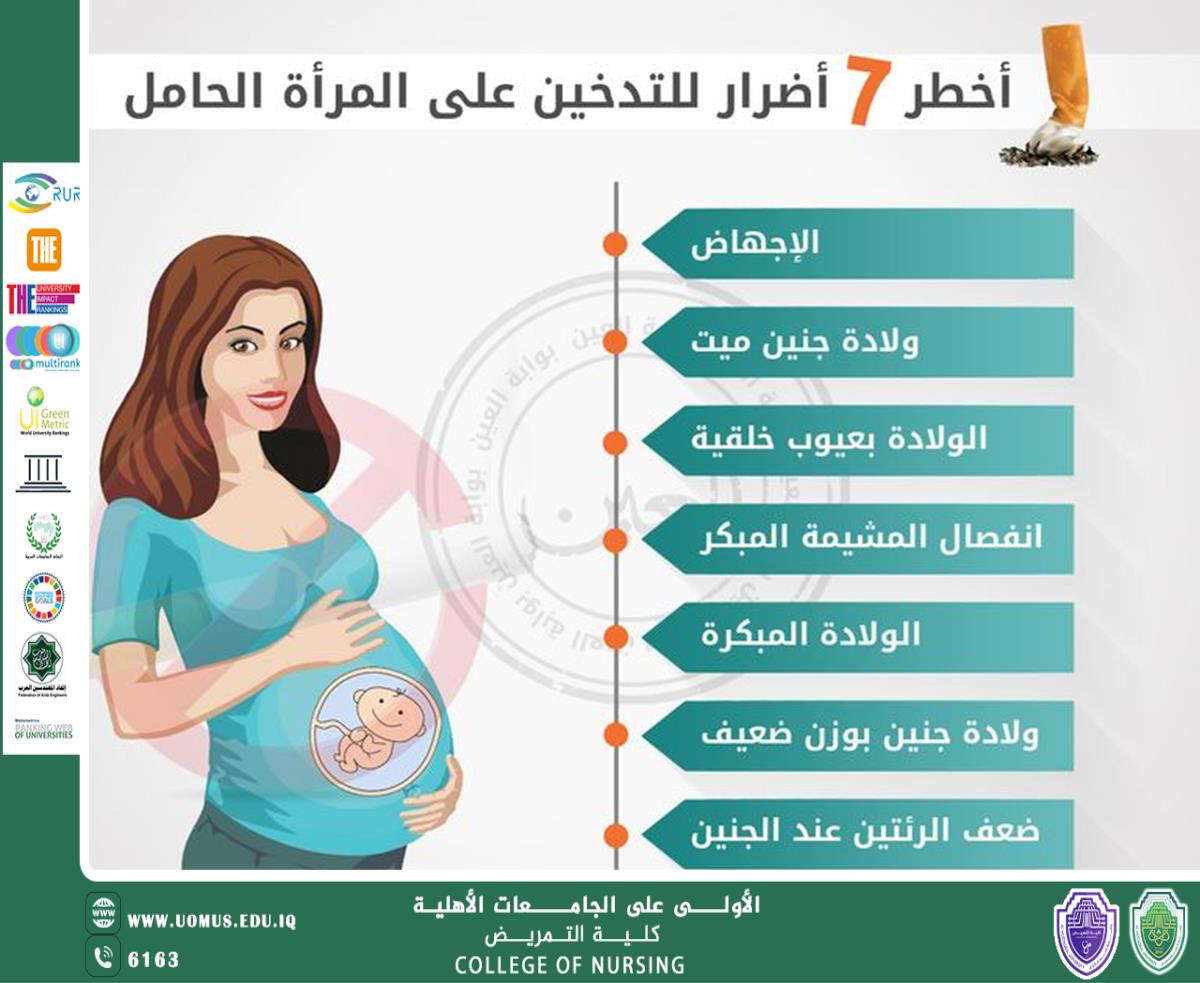
Introduction<br /><br />Smoking is considered a bad habit that has spread widely in societies, despite conclusive scientific evidence proving its serious health damage. Cigarette smoke contains more than 7,000 chemicals, including many toxic and carcinogenic substances, making smoking a major cause of many chronic and fatal diseases.<br /><br />The harms of smoking to health<br /><br />. Respiratory diseases<br />Smoking greatly affects the lungs and respiratory system, increasing the likelihood of developing diseases such as chronic bronchitis, emphysema, and lung cancer, which is considered one of the most deadly cancers in the world.<br /><br />Cardiovascular diseases<br />Smoking increases the risk of heart diseases, such as atherosclerosis and high blood pressure, which can lead to fatal heart attacks or strokes.<br /><br />. Its effect on the nervous system<br />Tobacco contains nicotine, a substance that affects the central nervous system and causes addiction, making it difficult for smokers to quit smoking.<br /><br />Effects on the digestive system<br />Smoking is associated with an increased risk of stomach and pancreatic cancer, as well as stomach ulcers and other digestive disorders.<br />Smoking harms to society<br />The harm of smoking is not limited to the smoker alone, but extends to affect the entire society through:<br />Passive smoking: Non-smokers, especially children and pregnant women, are exposed to smoke inhalation, which increases their risk of disease.<br />Economic impact: Smoking leads to high treatment costs for countries and individuals, and reduces productivity in the workplace due to diseases associated with it.<br />Environmental pollution: Cigarette butts and the resulting smoke contribute to environmental pollution and increase the level of pollution in the air.<br />Ways to quit smoking<br />Quitting smoking requires strong will and support from those around you, and some effective steps can be followed, such as:<br />Healthy such as gum or nicotine patches. Search for alternatives<br />Exercise to reduce stress and the desire to smoke. Or<br />Avoid places that remind you of smoking and communicate with support groups.<br />Seek the help of doctors and centers specialized in smoking cessation programs.<br /><br />The effect of smoking on the lipid profile and biochemical variables in the blood serum of smoking men<br /><br />The study included 20 blood samples from smoking men aged between (20-37) and 20 blood samples from non-smoking men aged between 25-40)) represented by the control group. The current study showed a significant increase in liver enzymes (ALP, GPT and GOT) as well as a significant increase in the concentration of cholesterol, triglycerides, low-density lipoprotein and HDL. This study also showed a decrease in both sodium, zinc, copper and iron as well as a significant decrease in total protein, albumin and urea in the smoking group compared to the control group.<br /><br />Smoking and its harms to pregnancy<br /><br />Smoking is one of the most dangerous health habits that negatively affect a person, whether a smoker or a non-smoker who is exposed to its smoke indirectly. The harms of smoking are not limited to the respiratory system and heart only, but also extend to include the pregnant woman and her fetus, which increases the possibility of serious complications during pregnancy and after birth.<br /><br />The harms of smoking on public health<br />. Respiratory diseases 1-<br />Smoking negatively affects the lungs, increasing the likelihood of diseases such as chronic bronchitis and lung cancer.<br /><br />Cardiovascular diseases<br />- Smoking increases the risk of high blood pressure, atherosclerosis, heart attacks, and strokes.<br />. Impact on the digestive system<br />Smoking is associated with an increased risk of stomach and pancreatic cancer, and causes stomach ulcers and digestive disorders.<br />The harms of smoking on pregnancy and the fetus<br />Smoking is one of the most dangerous factors that negatively affect the health of the pregnant woman and the fetus, as cigarette smoke contains harmful chemicals that pass to the fetus through the placenta. The most prominent harms include:<br />. Increased risk of miscarriage and premature birth<br />Smoking increases the likelihood of spontaneous miscarriage due to poor blood flow to the placenta, and it also increases the risk of premature birth, which exposes the child to serious health complications.<br /><br />Low birth weight<br /><br />Smoking mothers often give birth to babies with a lower than normal weight, which can lead to long-term health problems such as weak immunity and breathing difficulties.<br /><br />Increased risk of birth defects<br />Smoking increases the risk of birth defects in the fetus, such as heart defects and defects in the central nervous system.<br /><br />Sudden infant death syndrome (SIDS)<br />Studies suggest that smoking during pregnancy increases the risk of sudden infant death syndrome, an unexpected condition that occurs in infants for no apparent reason.<br />Problems with fetal growth and mental development<br />Smoking can affect the development of the fetus's brain and nervous system, leading to delayed mental development and learning difficulties in the future.<br />Passive smoking and its effect on the pregnant woman and the fetus<br />Even if the mother is not a smoker, exposure to cigarette smoke from others (passive smoking) can cause the same health problems, such as an increased risk of miscarriage or premature birth. Therefore, pregnant women should avoid places where there are smokers.<br /><br />Because quitting smoking during pregnancy is an urgent necessity to maintain the health of the mother and fetus, the following steps can be followed:<br />Find safe alternatives. Consult a doctor about<br />Exercise and reduce stress.<br />Avoid stimuli such as places where smoking is prevalent or stress that leads to smoking.<br />Join support programs<br /><br />"AL_mustaqbal University is the first university in Iraq"