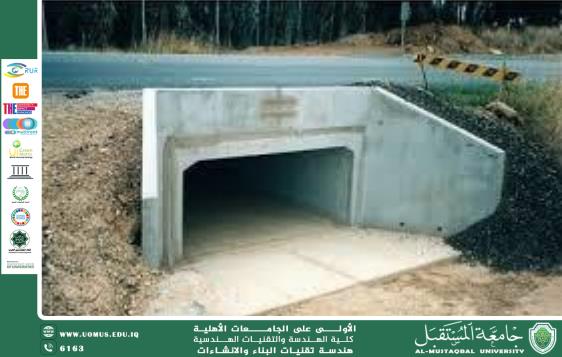
Culvert Design: Principles and Considerations
24/02/2025 Share :
Introduction<br />A culvert is a structure that allows water to flow under a road, railway, trail, or similar obstruction. Proper culvert design is crucial for effective drainage, preventing flooding, and ensuring structural integrity. This article provides an overview of the principles, considerations, and best practices in culvert design.<br />Types of Culverts<br />Culverts come in various shapes and materials, each suited to different site conditions:<br />1. Pipe Culverts – Circular or elliptical pipes, commonly made of concrete, steel, or plastic.<br />2. Box Culverts – Rectangular structures often used for higher flow capacities.<br />3. Arch Culverts – Used where aesthetic and environmental concerns are important.<br />4. Slab Culverts – Flat-topped structures, typically for low-lying road crossings.<br />5. Bridge Culverts – A hybrid between a culvert and a bridge, used for large spans.<br />Design Considerations<br />Several factors influence the design and selection of culverts:<br />1. Hydraulic Design<br />a- Determining peak discharge using hydrologic models.<br />b- Choosing an appropriate culvert size to handle expected flow.<br />c- Ensuring proper inlet and outlet control for efficient water movement.<br /> <br />2. Structural Design<br />a- Selecting suitable materials for durability and load-bearing capacity.<br />b- Designing for live loads (vehicles, pedestrians) and environmental loads (water<br />pressure, debris impact).<br />3. Environmental and Geotechnical Factors<br />a- Minimizing ecological disruption and ensuring fish passage where required.<br />b- Evaluating soil conditions to prevent settlement or erosion.<br />4. Maintenance and Longevity<br />a- Incorporating self-cleaning features to reduce blockages.<br />b- Ensuring ease of access for periodic inspections and repairs.<br />Best Practices in Culvert Design<br /> Proper Alignment: The culvert should align with the natural watercourse to minimize erosion and backwater effects.<br /> Adequate Cover Depth: Sufficient soil cover over the culvert ensures stability and protection from surface loads.<br /> Energy Dissipation Measures: Installing riprap or energy dissipation structures at the outlet reduces erosion.<br /> Sustainability Considerations: Using eco-friendly materials and designing for wildlife passage enhances environmental compatibility.<br />Conclusion<br />Culvert design is a multidisciplinary task that requires consideration of hydraulics, structural integrity, environmental impact, and maintenance needs. By following best practices and adhering to regulatory guidelines, engineers can ensure safe and effective culvert installations that stand the test of time.