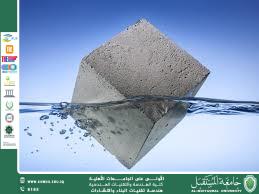
Smart Concrete: The Future of Intelligent Construction
24/02/2025 Share :
Haneen Fadel<br />Introduction<br />With the rapid advancements in construction technologies, there is an increasing need for smarter and more sustainable building materials. One of the most innovative developments in this field is smart concrete, a revolutionary material designed to enhance the efficiency and durability of structures. Thanks to its ability to interact with its surroundings and even repair itself automatically, smart concrete is transforming modern construction.<br /><br />1. What is Smart Concrete?<br />Smart concrete is an advanced building material that responds to environmental conditions and adapts accordingly, improving its durability and reducing maintenance costs. It is designed using nanotechnology, chemical additives, and intelligent fibers, which grant it unique properties such as self-sensing, self-healing, and energy efficiency enhancement.<br /><br />2. Types of Smart Concrete<br />🔹 Self-Healing Concrete<br />This type contains bacteria or chemical compounds that react with water and air to produce calcium carbonate, which fills cracks automatically. This feature reduces maintenance costs and extends the lifespan of structures.<br /><br />🔹 Self-Sensing Concrete<br />Embedded with carbon fibers or sensors, this concrete can detect stress and strain changes, helping engineers predict potential failures and prevent structural collapses.<br /><br />🔹 Thermal-Regulating Concrete<br />This concrete absorbs heat during the day and releases it at night, helping regulate indoor temperatures and reduce energy consumption for heating and cooling.<br /><br />🔹 Self-Cleaning Concrete<br />Infused with nanoparticles such as titanium dioxide, this concrete breaks down dirt and pollutants when exposed to sunlight, keeping buildings cleaner with minimal maintenance.<br /><br />3. Benefits of Smart Concrete<br />✅ Cost Reduction: With self-healing capabilities, smart concrete significantly reduces maintenance and repair expenses.<br />✅ Enhanced Safety: Self-sensing concrete helps prevent structural failures by providing early warnings of potential issues.<br />✅ Sustainability: By extending the lifespan of buildings and bridges, smart concrete reduces resource consumption.<br />✅ Energy Efficiency: Thermal-regulating concrete helps lower energy consumption, supporting green and sustainable buildings.<br /><br />4. Applications of Smart Concrete<br />🏗 Bridges and Highways: Self-sensing concrete can detect early cracks and send alerts for maintenance before structural failure occurs.<br />🏢 Green Buildings: Thermal-regulating concrete enhances heating and cooling efficiency, reducing electricity consumption.<br />🚊 Tunnels and Public Infrastructure: Self-cleaning concrete helps cut down maintenance costs while maintaining a clean and aesthetically pleasing appearance.<br /><br />5. Challenges of Smart Concrete<br />Despite its many advantages, smart concrete faces several challenges, including:<br />🔹 High initial cost compared to traditional concrete.<br />🔹 Complex manufacturing process that requires advanced technology and specialized labs.<br />🔹 Long-term performance evaluation to ensure durability before widespread adoption.<br /><br />Conclusion<br />Smart concrete represents the future of intelligent construction by enhancing building efficiency, reducing maintenance, and promoting sustainability. As technology continues to evolve, smart concrete is expected to become a fundamental component of future construction projects, making cities safer and more sustainable.<br /><br />Al-Mustaqbal, The First University in Iraq