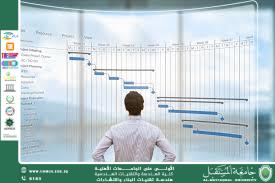
The Importance of Scheduling in Construction Project Execution
25/02/2025 Share :
Maryam Mohammeed Mosa<br />Time scheduling plays a critical role in ensuring the successful execution of construction projects. A well-structured schedule helps in resource allocation, risk management, cost control, and timely project delivery. Without proper scheduling, projects can face delays, cost overruns, and inefficiencies.<br /><br />What is Construction Project Scheduling?<br /><br />Construction project scheduling is the process of planning and organizing tasks, activities, and resources to ensure the project is completed within the designated timeframe. It involves defining milestones, setting deadlines, and identifying dependencies between tasks.<br /><br />Key Benefits of Effective Scheduling<br /><br />1. Improved Time Management<br /><br />A well-developed schedule allows project managers to track progress and ensure that tasks are completed on time, reducing the risk of delays.<br /><br />2. Efficient Resource Allocation<br /><br />Scheduling helps in allocating labor, materials, and equipment effectively, preventing bottlenecks and resource wastage.<br /><br />3. Cost Control<br /><br />By adhering to a well-structured schedule, projects can avoid unnecessary delays and additional expenses, keeping the budget under control.<br /><br />4. Enhanced Coordination and Communication<br /><br />A clear schedule ensures that all stakeholders, including contractors, engineers, and suppliers, are aligned, improving collaboration and efficiency.<br /><br />5. Risk Mitigation<br /><br />Scheduling helps identify potential risks early, allowing for proactive measures to minimize disruptions.<br /><br />Best Practices for Effective Scheduling in Construction<br /><br />1. Use Scheduling Software<br /><br />Modern tools such as Primavera P6, Microsoft Project, and BIM-based scheduling tools enhance accuracy and efficiency in project timelines.<br /><br />2. Define Clear Milestones<br /><br />Breaking down the project into well-defined milestones ensures better tracking of progress and timely completion of critical phases.<br /><br />3. Monitor and Adjust the Schedule Regularly<br /><br />Unforeseen circumstances can arise during construction; therefore, schedules should be flexible and updated regularly to reflect real-time conditions.<br /><br />4. Incorporate Buffer Time<br /><br />Allowing extra time for unexpected delays ensures that the overall project timeline remains realistic and achievable.<br /><br />5. Align Scheduling with Procurement and Supply Chain<br /><br />Coordinating scheduling with material procurement ensures that supplies arrive on time, preventing project slowdowns.<br /><br />Challenges in Construction Scheduling<br /><br />Unpredictable Weather Conditions: External factors like extreme weather can impact project timelines.<br /><br />Changes in Project Scope: Modifications in design or requirements can affect scheduling and cause delays.<br /><br />Labor and Equipment Shortages: Lack of skilled labor or equipment availability can disrupt project timelines.<br /><br />Conclusion<br /><br />Effective scheduling is a fundamental aspect of successful construction project management. By implementing structured schedules, utilizing modern technologies, and proactively addressing potential challenges, projects can be completed efficiently, on time, and within budget. As the construction industry evolves, scheduling practices will continue to advance, driving better project performance and outcomes.