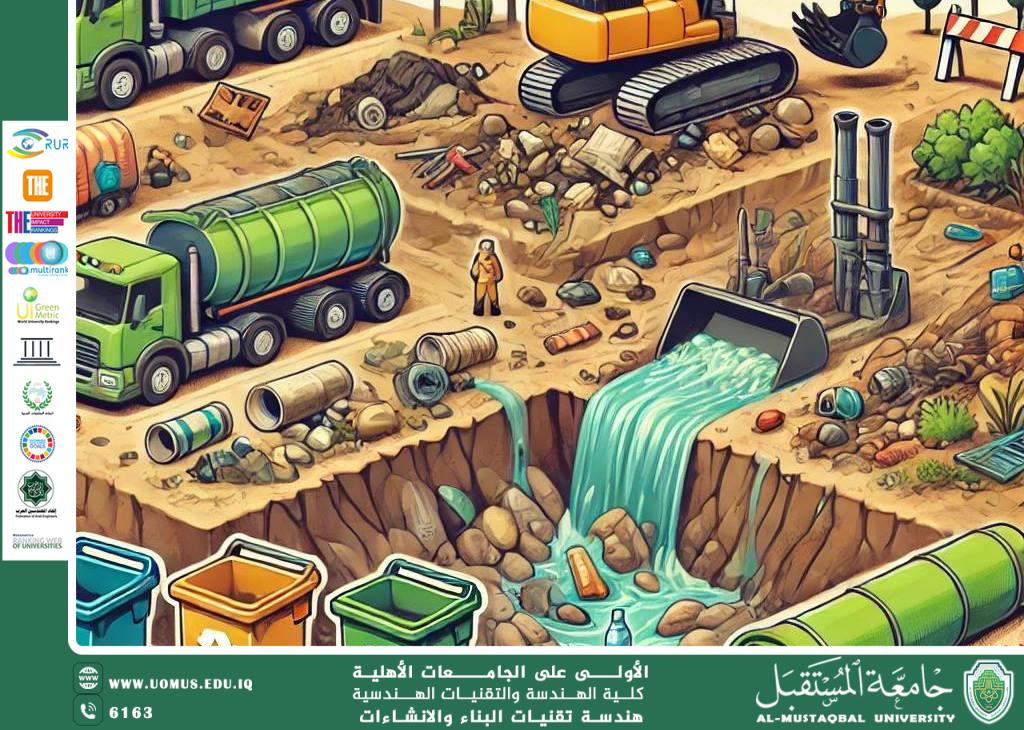
Pollution from Construction Projects and Its Impact on Soil Sustainability and Mitigation Strategies
27/02/2025 Share :
Introduction** <br />Construction projects are essential for urban and economic development, but they pose significant environmental threats, particularly in terms of soil pollution. Soil contamination is a serious environmental issue that affects its sustainability, impacting groundwater quality, agriculture, and biodiversity. Understanding the sources of this pollution, its effects, and ways to mitigate it is crucial for achieving sustainable development. <br /><br />## **Sources of Pollution from Construction Projects** <br />Several factors contribute to soil pollution caused by construction activities, including: <br /><br />1. **Improper Waste Disposal**: Construction sites generate large amounts of waste, including concrete, bricks, metals, and chemicals, which can seep into the soil and alter its physical and chemical properties. <br />2. **Chemical Spills**: Paints, solvents, oils, and fuels used in construction can leak into the soil, contaminating it with organic compounds and heavy metals. <br />3. **Vegetation Removal and Excavation**: Clearing trees and plants increases soil erosion, making it more susceptible to pollution from wind and rain. <br />4. **Soil Compaction**: Heavy construction equipment compacts the soil, reducing its permeability to water and air, which negatively affects plant growth and soil microorganisms. <br />5. **Discharge of Contaminated Water**: Water used in concrete mixing or site cleaning may contain harmful substances. If discharged untreated, it can cause long-term soil pollution. <br /><br />## **Impact of Pollution on Soil Sustainability** <br />Soil pollution from construction projects directly affects its sustainability in several ways: <br /><br />- **Reduced Fertility**: The accumulation of chemical pollutants disrupts the balance of nutrients, making the soil unfit for agriculture. <br />- **Soil Erosion**: The loss of vegetation cover and increased surface runoff accelerate soil degradation over time. <br />- **Groundwater Contamination**: Toxic chemicals seeping from construction sites can reach groundwater, posing health risks. <br />- **Disruption of the Ecological Balance**: Soil microorganisms play a crucial role in decomposing organic matter and improving soil quality. Pollution disrupts this ecosystem, leading to long-term environmental damage. <br /><br />## **Ways to Reduce Construction-Related Soil Pollution** <br />To minimize the environmental impact of construction on soil, sustainable strategies should be implemented, including: <br /><br />1. **Effective Waste Management**: Separating waste and recycling reusable materials like concrete, wood, and metals instead of dumping them into the soil. <br />2. **Using Eco-Friendly Materials**: Choosing non-toxic, biodegradable construction materials reduces environmental risks. <br />3. **Preventing Chemical Spills**: Implementing containment and leakage prevention systems to stop hazardous materials from contaminating the soil. <br />4. **Preserving Vegetation Cover**: Replanting affected areas with suitable vegetation helps stabilize the soil and reduce erosion. <br />5. **Adopting Sustainable Construction Techniques**: Methods such as dry construction and designs that minimize excavation and backfilling help reduce soil impact. <br />6. **Improving Water Drainage**: Establishing proper drainage systems to prevent the accumulation and seepage of contaminated water. <br />7. **Environmental Awareness**: Training workers and engineers on best environmental practices to ensure compliance with sustainable construction measures. <br /><br />## **Conclusion** <br />Minimizing pollution from construction activities is a shared responsibility that requires the efforts of governments, companies, and civil society. By implementing sustainable strategies, a balance can be achieved between urban development and environmental protection, ensuring soil sustainability for future generations.<br />