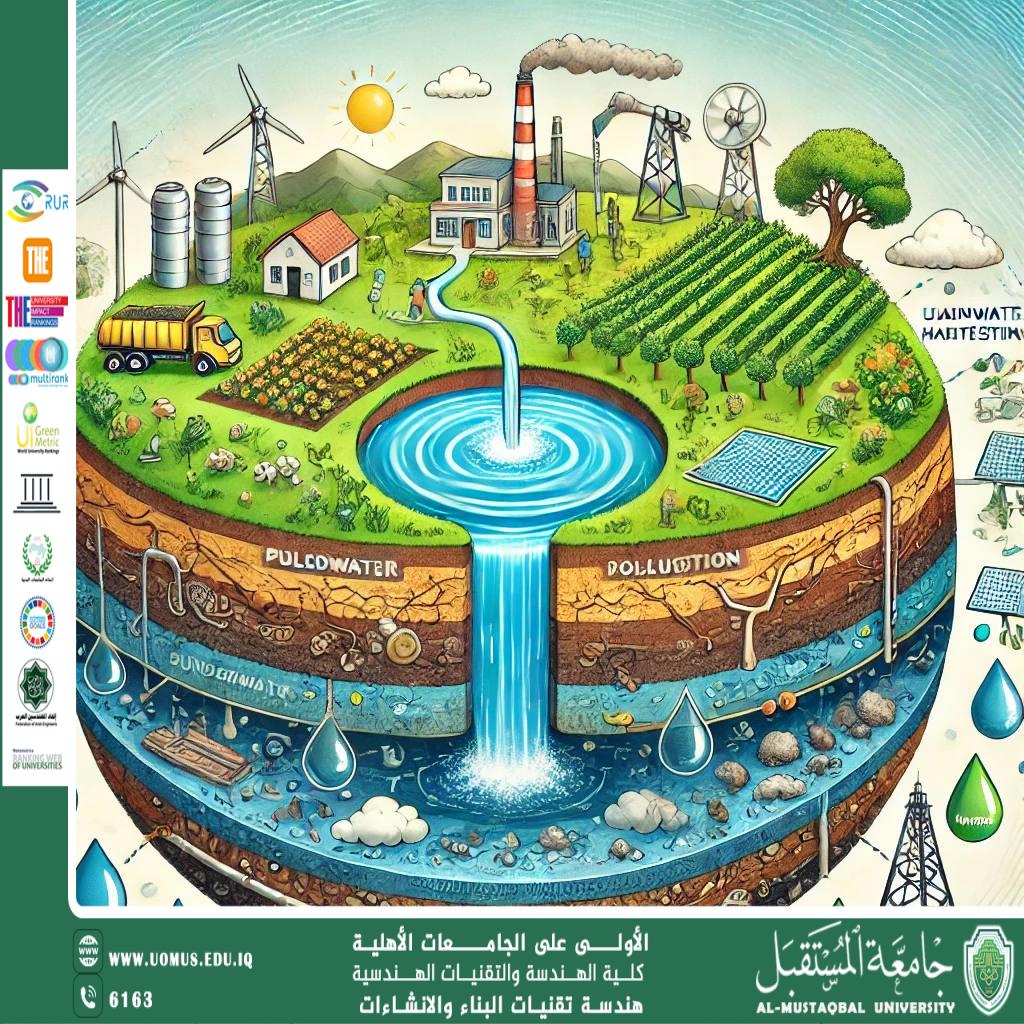
Groundwater: Sustainability and Protection from Depletion and Pollution
27/02/2025 Share :
Introduction** <br />Groundwater is a vital source of freshwater, supplying a significant portion of drinking water, agriculture, and industry worldwide. As population growth and climate change increase water demand, maintaining groundwater sustainability has become crucial. However, excessive depletion and pollution pose serious threats to this resource, necessitating effective measures for its protection. <br /><br />## **Importance of Groundwater** <br />Groundwater plays a crucial role in both human and environmental systems, contributing to: <br /><br />- **Drinking Water Supply**: Groundwater serves as a primary source of drinking water for many regions. <br />- **Agricultural Support**: It is extensively used for irrigation, ensuring food production. <br />- **Ecosystem Balance**: Groundwater sustains rivers and lakes during dry periods, helping maintain biodiversity. <br /><br />## **Threats to Groundwater** <br />Two major issues threaten groundwater sustainability: <br /><br />### **1. Overextraction** <br />Groundwater depletion occurs when water withdrawal exceeds the natural recharge rate. Causes include: <br />- **Excessive Agricultural Use**: Agriculture is the largest consumer of groundwater, particularly in arid regions. <br />- **Urban and Industrial Expansion**: Rapid urbanization and industrial growth increase groundwater pumping. <br />- **Climate Change**: Altered rainfall patterns reduce groundwater recharge rates. <br /><br />### **2. Pollution** <br />Groundwater contamination arises from human activities, with major sources including: <br />- **Pesticides and Fertilizers**: Intensive farming leads to the seepage of chemicals into groundwater. <br />- **Industrial Waste Disposal**: Factories discharge toxic substances, including heavy metals, into the environment. <br />- **Sewage Leaks**: Inadequate sanitation infrastructure allows contaminants to infiltrate groundwater. <br />- **Oil and Fuel Spills**: Petroleum products can pollute groundwater, making it unsafe for consumption. <br /><br />## **Strategies for Groundwater Sustainability and Protection** <br />To ensure groundwater sustainability, strategies must address both depletion and pollution: <br /><br />### **1. Sustainable Groundwater Management** <br />- **Regulating Water Use**: Implementing laws to control excessive groundwater pumping. <br />- **Efficient Irrigation Techniques**: Promoting water-saving methods like drip irrigation to reduce agricultural water consumption. <br />- **Artificial Recharge**: Constructing reservoirs and rainwater harvesting systems to replenish groundwater supplies. <br /><br />### **2. Preventing Groundwater Pollution** <br />- **Reducing Chemical Use in Agriculture**: Encouraging organic farming alternatives to minimize contamination. <br />- **Improving Wastewater Treatment**: Developing advanced sanitation systems to treat sewage before discharge. <br />- **Monitoring Industrial Activities**: Enforcing strict regulations on industrial waste disposal. <br />- **Groundwater Quality Monitoring**: Establishing continuous monitoring systems to detect and mitigate pollution risks. <br /><br />## **Conclusion** <br />Groundwater is an essential freshwater resource, but its overuse and contamination threaten its long-term availability. Sustainable management strategies are crucial to preserving this resource for future generations. Governments, farmers, industries, and communities must collaborate to ensure groundwater remains a safe and reliable water source.<br />