Modern Technologies in Sustainable and Smart Construction
27/02/2025 Share :
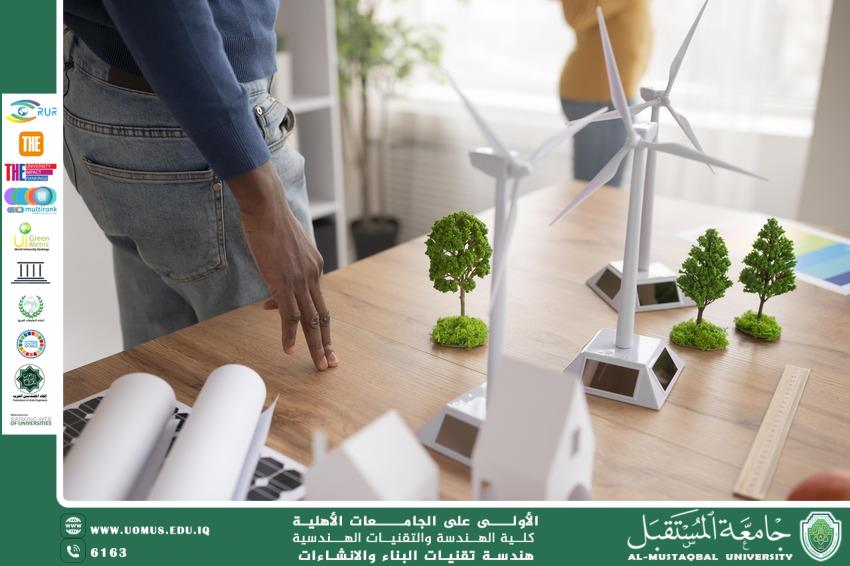
Modern technologies are one of the fundamental factors driving a significant transformation in the construction sector, enabling the creation of smart and sustainable buildings that enhance energy efficiency. Among the most prominent of these technologies is Building Information Modeling (BIM), which aids in the precise planning and design of projects, thereby reducing waste and promoting optimal resource utilization. Equally important is the integration of Building Management Systems (BMS), which allows for real-time monitoring and control of electrical systems, HVAC, and lighting, ultimately leading to lower energy consumption.<br />In addition, the adoption of renewable energy technologies, such as solar panels and energy storage systems, has significantly reduced reliance on conventional energy sources, thus supporting sustainability goals. Advanced building materials—like thermal insulation and double-glazed windows—have been developed to minimize heat loss in winter and reduce heat gain in summer, which in turn decreases the energy needed for air conditioning.<br />Furthermore, the Internet of Things (IoT) is increasingly used at construction sites to monitor the environmental performance of buildings and continuously identify areas for improvement. Intelligent data analysis systems also contribute by tracking energy consumption and providing recommendations to enhance the overall performance of buildings, making a substantial impact on reducing the environmental footprint of construction projects.<br />By embracing these cutting-edge technologies, the architectural sector is able to merge innovation with efficiency while preserving natural resources, reflecting a forward-looking vision towards building smarter and more sustainable urban environments.<br />