Occupational Safety and Risk Management in Construction Sites
27/02/2025 Share :
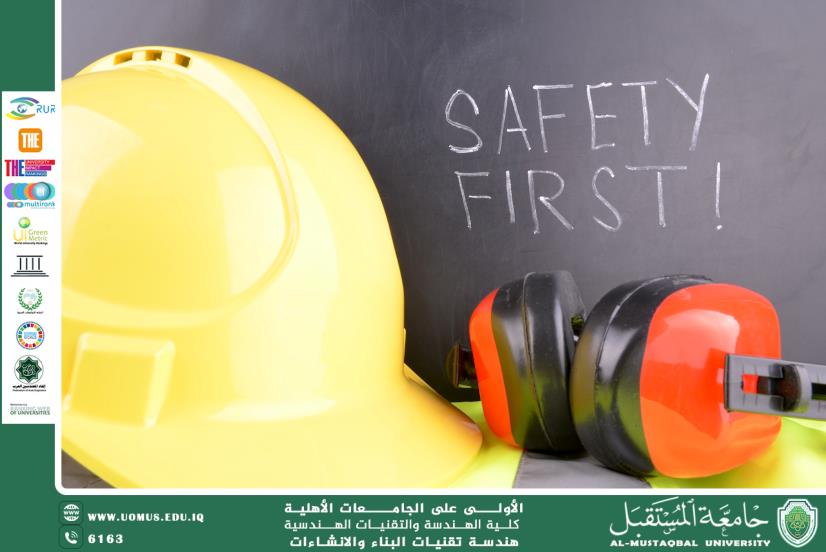
Occupational safety and risk management are among the most important pillars on which every construction project should be based, as they form the foundation for ensuring the safety of workers and the continuity of work at construction sites. In light of the increasing challenges and potential hazards at work sites, it becomes necessary to adopt an integrated system for risk assessment and the implementation of precise preventive measures. This approach depends on regularly training workers and raising their awareness of the importance of adhering to safety procedures and using personal protective equipment, such as helmets and safety shoes, which helps reduce the likelihood of injuries and accidents.<br />Adherence to local laws and regulations also plays a crucial role in organizing inspection processes and ensuring the periodic maintenance of equipment to prevent malfunctions. Furthermore, integrating modern technologies like alarm and monitoring systems provides an effective means for early hazard detection and rapid intervention before the situation escalates. Continuous coordination between work teams and management is vital to ensure that work proceeds within a safe and organized environment, where regularly updated emergency plans contribute to an immediate response to critical situations.<br />Additionally, exchanging experiences and lessons learned from previous accidents helps improve procedures and develop work methods in accordance with safety requirements. Investing in occupational safety programs is a strategic step that not only helps protect lives but also reduces costs resulting from accidents and their impact on project schedules. Embracing a safety culture at construction sites underscores the importance of a partnership among all parties to achieve a safe and sustainable work environment. Ultimately, risk management emerges as an essential element in the success and continuity of projects, prompting all concerned parties to invest in worker training and develop preventive systems to face any future challenges.<br />