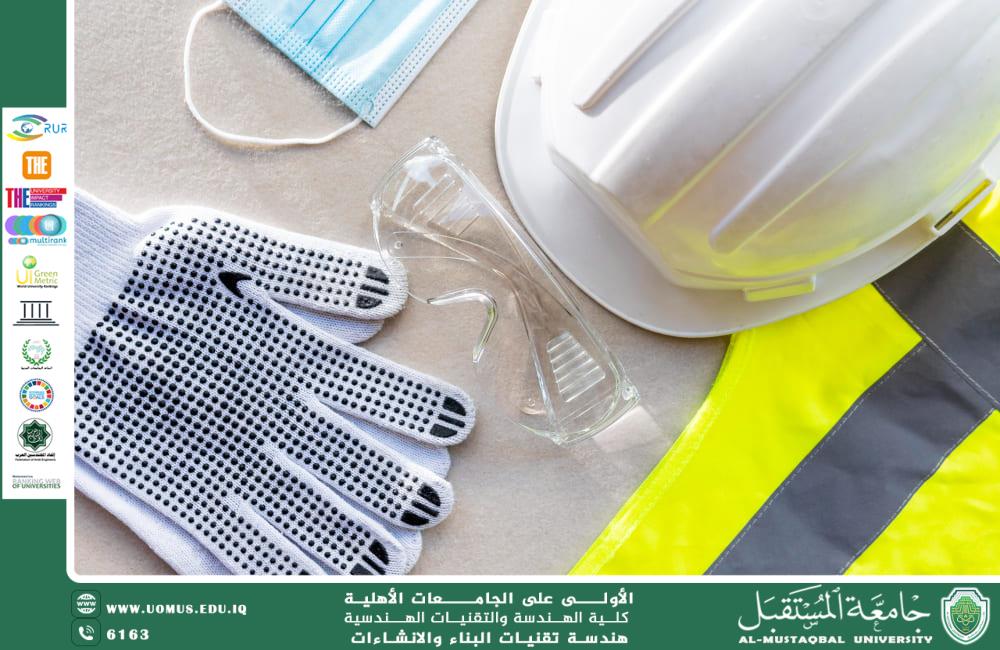
Personal Protective Equipment in Construction Sites: How to Choose the Best?
27/02/2025 Share :
Introduction<br />Construction sites are among the most hazardous work environments, exposing workers to various risks such as falls, chemical exposure, and impact injuries. Therefore, using Personal Protective Equipment (PPE) is essential to safeguard workers and minimize injuries. However, with a wide range of protective equipment available, how can you choose the best? In this article, we will discuss the types of PPE and the best criteria for selecting them.<br /><br />1. Types of Personal Protective Equipment in Construction Sites<br />A. Head Protection<br />Safety helmets are one of the most crucial protective gear, shielding workers from falling objects and impact injuries.<br /><br />Required Standards: The helmet should be made of durable materials like polycarbonate and have an inner lining for shock absorption.<br />Types of Helmets:<br />Helmets for direct impact protection.<br />Helmets with electrical insulation for workers exposed to electrical hazards.<br />B. Eye and Face Protection<br />Workers handling chemicals or performing cutting and welding tasks need safety goggles or face shields.<br /><br />Required Standards:<br />Should be made of scratch-resistant and impact-resistant glass.<br />Must provide UV protection for welding tasks.<br />C. Respiratory Protection<br />In environments with dust, toxic fumes, or harmful particles, appropriate respiratory masks should be used.<br /><br />Required Standards:<br />HEPA-filter masks for fine particle protection.<br />Respiratory masks with chemical filters for workers exposed to hazardous substances.<br />D. Hand Protection<br />Protective gloves shield hands from cuts, burns, and chemical exposure.<br /><br />Required Standards:<br />Anti-slip gloves for workers handling equipment.<br />Heat-resistant gloves for welding tasks.<br />Chemical-resistant gloves for those dealing with paint or cement.<br />E. Foot Protection<br />Workers should wear safety boots to protect their feet from heavy falling objects or sharp materials.<br /><br />Required Standards:<br />Must have a steel toe cap for impact protection.<br />The sole should be anti-slip to prevent accidents.<br />Should be resistant to chemicals and water for wet environments.<br />F. Body Protection<br />Protective vests: Prevent cuts and abrasions.<br />Fall protection harnesses: Essential for workers at heights.<br />Reflective clothing: Increases visibility in low-light conditions.<br />2. How to Choose the Best Personal Protective Equipment?<br />When selecting PPE, consider the following factors:<br /><br />Compliance with Safety Standards<br /><br />Ensure the equipment meets local and international safety regulations, such as OSHA or ANSI.<br />User Comfort<br /><br />The equipment should be comfortable and adjustable so it does not hinder the worker’s movement.<br />Material Quality and Durability<br /><br />It should be made of strong and durable materials, especially for harsh environments like construction sites.<br />Ease of Use and Maintenance<br /><br />Choose equipment that is easy to clean and maintain for a longer lifespan.<br />Suitability for the Job<br /><br />Select PPE based on the specific hazards at the construction site. For example, welders need heat-resistant goggles, while workers at heights require safety harnesses.<br />Conclusion<br />Personal Protective Equipment plays a crucial role in ensuring worker safety in construction sites. Selecting the right PPE based on safety and quality standards is essential for reducing accidents and promoting a safe work environment. By following the above guidelines, employers and workers can ensure maximum protection while executing construction projects.