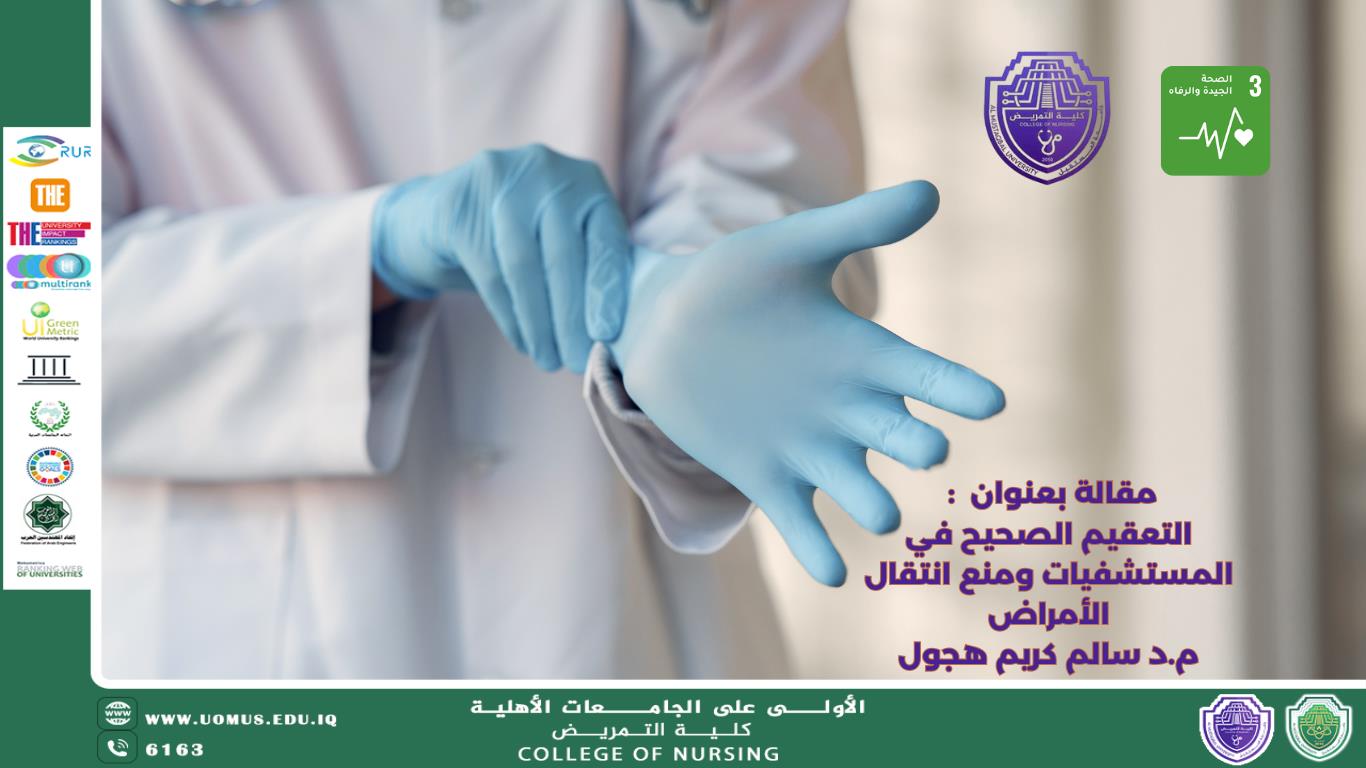
Proper Sterilization in Hospitals and Prevention of Disease Transmission
01/03/2025 Share :
Hospitals are vital environments for treating patients, but they can also be hotbeds for infection transmission if proper sterilization standards are not followed. For this reason, sterilization is one of the most important basic procedures to ensure the safety of patients and healthcare workers and prevent the spread of infectious diseases.<br />The importance of sterilization in hospitals<br />Sterilization is a process that aims to eliminate all microorganisms, including bacteria, viruses, fungi and germs. If sterilization is not applied properly, this can lead to hospital-acquired infections (HAIs), which cause serious complications and increase mortality rates.<br />Proper sterilization methods in hospitals<br />Sterilization methods in hospitals depend on the type of tools and surfaces that need to be sterilized, and include:<br />1. Thermal sterilization<br />• Steam sterilization (autoclave): High-temperature and pressure water vapor is used to kill germs in surgical tools and medical equipment.<br />• Dry heat sterilization: It is used to sterilize metal tools that can withstand high temperatures.<br />.2. Chemical Sterilization<br />• Disinfectant chemicals: used to sterilize medical instruments that cannot withstand heat, such as some surgical endoscopes.<br />• Use of surface disinfectants: such as alcohol (70%) and bleach, to sterilize surfaces and medical instruments.<br />3. Ultraviolet Sterilization<br />UV rays are used to eliminate germs in operating rooms and intensive care units without the need for chemicals.<br />Infection Prevention Procedures in Hospitals<br />In addition to sterilization, there are a number of measures that help reduce the spread of infection in hospitals, including:<br />1. Regular hand washing<br />Washing hands with soap and water or using alcohol-based sanitizers is one of the most important means of preventing infection.<br />2. Use of single-use medical instruments<br />Disposable medical instruments, such as needles, syringes, and gloves, should be used to prevent the transmission of infection between patients.<br />3. Wearing Personal Protective Equipment (PPE)<br />Including gloves, masks, medical gowns, and goggles, especially when dealing with patients with infectious diseases.<br />4.. Disinfection and cleaning of the hospital environment<br />Patient rooms, operating rooms, and intensive care areas must be cleaned and sterilized regularly using approved materials.<br />5.. Safe disposal of medical waste<br />Medical waste must be separated and disposed of in a safe manner according to health standards, to avoid transmission of infection from used instruments or blood and body fluids.<br />6.. Isolation of patients with infectious diseases<br />Special rooms are allocated for patients with infectious diseases such as tuberculosis or COVID-19, with strict preventive measures taken.<br />Conclusion<br />Proper sterilization and other preventive measures are essential in reducing infection rates in hospitals, which contributes to the protection of patients and healthcare workers. It is essential to strictly adhere to health guidelines and ensure the application of the latest medical standards to ensure a safe environment for all.