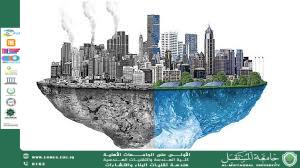
Environmental Engineering in Construction: Achieving a Balance Between Modernity and Sustainability
01/03/2025 Share :
Environmental engineering in construction is one of the most important fields that combines innovation in design with environmental protection. In today's world, which faces increasing environmental challenges such as climate change and global warming, the need for sustainable construction is more urgent than ever. Environmental engineering seeks to provide integrated construction solutions that achieve a balance between modern architectural designs and environmental sustainability requirements. In this article, we will explore the role of environmental engineering in construction and how a balance can be achieved between architectural development and environmental preservation.<br /><br />1. Sustainable Construction: Concept and Importance<br />Sustainable construction is the process of designing and building structures that do not harm the environment while making effective use of natural resources such as energy and water. This type of construction includes using environmentally friendly technologies and materials that reduce energy consumption, waste, and pollution. The ultimate goal is to ensure that buildings not only provide comfort for their users but also improve public health and minimize their negative impact on the environment.<br /><br />2. Sustainable Materials: Using Eco-Friendly Materials<br />One of the key components of environmental engineering is selecting the materials used in construction. Sustainable buildings rely on materials with a low environmental impact, such as eco-treated wood, recycled concrete, and solar panels used for energy generation. Additionally, the use of local materials in construction helps reduce emissions from transporting materials over long distances. Eco-friendly materials help minimize the environmental footprint of buildings while improving their energy efficiency.<br /><br />3. Designing to Integrate Modernity with Sustainability<br />Environmental engineering in construction focuses on integrating modern building techniques with sustainability. Architects and engineers can use smart design techniques such as "green building" or "eco-architecture" to achieve this balance. These techniques include using reflective surfaces that reduce energy consumption for cooling, low-emission glass to improve thermal insulation, and installing natural ventilation systems to reduce the need for air conditioning.<br /><br />Moreover, smart systems like automatic energy-saving lighting and intelligent water management systems can also be integrated into buildings, reducing resource consumption and improving the overall efficiency of the structure.<br /><br />4. Renewable Energy and Energy Technologies<br />Environmental engineering aims to reduce buildings' dependence on non-renewable energy sources by incorporating renewable energy technologies such as solar panels and wind energy. Installing solar panels on roofs or walls can help provide the necessary energy for the building's operation, reducing carbon emissions and minimizing the need for conventional, polluting energy. Additionally, technologies such as solar-powered HVAC (heating, ventilation, and air conditioning) systems can contribute to energy efficiency in buildings.<br /><br />5. Water Management Technologies<br />Water management is a key component of environmental engineering in construction. Systems for harvesting rainwater and reusing it for landscape irrigation help reduce freshwater consumption. Low-flow faucets and toilets can also be used to minimize water waste. Smart design also considers water conservation during construction, using techniques that prevent groundwater and surface water pollution.<br /><br />6. Social and Economic Impacts<br />Environmental engineering goes beyond environmental protection; it also improves people's quality of life. Sustainable buildings provide a healthy environment by improving indoor air quality and reducing pollution levels. Economically, implementing sustainable construction techniques can reduce operational costs in the long term, thanks to energy efficiency technologies and effective resource use. Furthermore, sustainable buildings encourage the use of local technologies, contributing to the local economy and creating job opportunities.<br /><br />7. Future Challenges and Innovation<br />Despite the significant progress in environmental engineering, there are ongoing challenges in integrating sustainability technologies into construction. Among these challenges are the high cost of sustainable materials and technologies in some cases, as well as the need for more flexible regulations to support these innovations. However, as environmental awareness grows within society and the demand for sustainable buildings increases, innovation in this field is expected to continue. Technologies such as 3D printing could improve building sustainability by reducing material waste and enabling more precise construction techniques.<br /><br />Conclusion<br />Environmental engineering in construction represents an important step toward the future, integrating modern design innovations with sustainability requirements. Through the use of sustainable materials, improved energy efficiency, and better management of natural resources, we can create a more sustainable and environmentally friendly built environment. Achieving this balance between modernity and sustainability is not just an environmental choice; it is a necessity for ensuring a better future for generations to come.