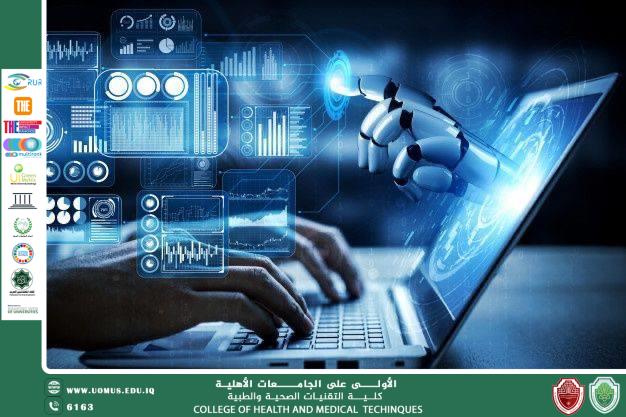
مقالة للاستاذة زينب كريم بعنوان "Artificial Intelligence"
02/03/2025 Share :
Artificial Intelligence (AI) refers to the simulation of human intelligence in machines that are programmed to think, learn, and make decisions. These systems are designed to perform tasks that typically require human intelligence, such as visual perception, speech recognition, decision-making, and language translation. AI encompasses a wide range of technologies, including machine learning (ML), natural language processing (NLP), robotics, and computer vision.The field of AI has grown significantly over the past few decades, driven by advancements in computing power, the availability of large datasets, and breakthroughs in algorithms. Today, AI is being applied across various industries, including healthcare, finance, transportation, and entertainment, transforming the way we live and work.<br />Goals of Artificial Intelligence, Automation of Tasks: One of the primary goals of AI is to automate repetitive and time-consuming tasks, allowing humans to focus on more complex and creative activities. For example, AI-powered robots can perform manufacturing tasks, while chatbots can handle customer service inquiries. Enhancing Decision-Making: AI systems can analyze vast amounts of data and provide insights that help individuals and organizations make better decisions. For instance, AI algorithms are used in healthcare to diagnose diseases and recommend treatments. Improving Efficiency and Productivity: By optimizing processes and reducing errors, AI can significantly improve efficiency and productivity in various sectors. For example, AI-driven supply chain management systems can predict demand and optimize inventory levels. Personalization: AI enables personalized experiences by analyzing user behavior and preferences. This is evident in recommendation systems used by streaming platforms like Netflix and e-commerce websites like Amazon. Solving Complex Problems: AI has the potential to address some of the world's most challenging problems, such as climate change, energy management, and disease prevention, by providing innovative solutions and predictive models.<br /><br />Recommendations for the Future of AI:<br />1. Ethical AI Development: It is crucial to ensure that AI systems are developed and deployed ethically. This includes addressing issues such as bias, transparency, and accountability. Developers should prioritize fairness and inclusivity in AI algorithms.<br />2. Regulation and Governance: Governments and organizations should establish clear regulations and guidelines for the use of AI. This will help prevent misuse and ensure that AI technologies are used for the benefit of society.<br />3. Investment in Research and Development: Continued investment in AI research is essential to drive innovation and address current limitations. Collaboration between academia, industry, and governments can accelerate progress in the field.<br />4. Education and Workforce Training: As AI continues to evolve, there is a growing need for skilled professionals in the field. Educational institutions should offer programs that equip students with the knowledge and skills required to work in AI-related roles.<br />5. Data Privacy and Security: Protecting user data is critical in the age of AI. Organizations must implement robust data privacy and security measures to build trust and ensure compliance with regulations.<br />6. Public Awareness and Engagement: Raising awareness about AI and its potential benefits and risks is important. Engaging the public in discussions about AI can help demystify the technology and foster informed decision-making.<br />"AL_mustaqbal University is the first university in Iraq"<br />