Scientific Article by Ms. Noor Issa Khudhair Title: The Role of Planting in Achieving Food Security
03/03/2025 Share :
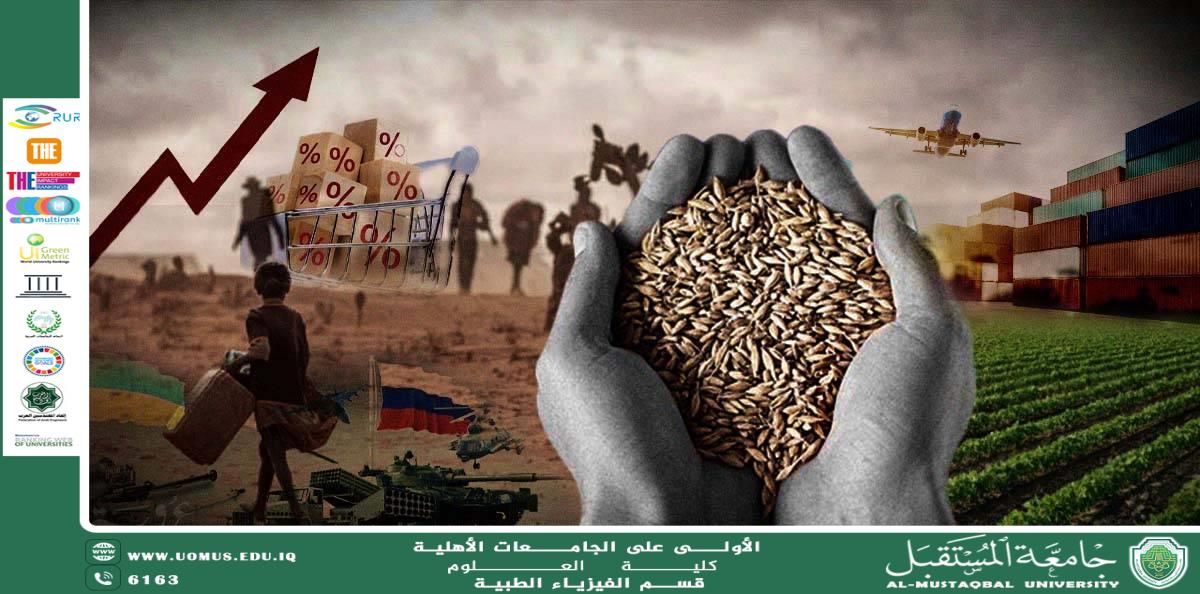
The Role of Agriculture in Achieving Food Security<br /><br />Agriculture plays a pivotal role in achieving food security, as it is the primary source of food that humans rely on for survival and growth. Food security can only be achieved when all people, at all times, have physical and economic access to sufficient, safe, and nutritious food that meets their dietary needs and preferences for an active and healthy life. In this context, agriculture contributes directly and indirectly to achieving this goal through several key aspects:<br /><br />1. Providing Sufficient Food Supply<br /><br />Agriculture is the primary source of food production, including crops such as grains (wheat, rice, and corn), vegetables, fruits, and animal products like milk and meat. The production of these goods ensures the availability of food locally and globally, reducing dependence on imports and enhancing resilience against economic and political crises that may disrupt global supply chains.<br /><br />2. Promoting Economic Stability<br /><br />Agriculture is a vital economic sector, providing employment opportunities for millions worldwide, especially in rural areas. By supporting small-scale farmers and encouraging sustainable agriculture, local economies can be strengthened, enabling families to purchase food and meet their basic needs. Moreover, the growth of the agricultural sector increases farmers’ incomes, positively impacting their ability to access nutritious food.<br /><br />3. Improving Food Quality and Diversity<br /><br />Agriculture plays a crucial role in providing a diverse range of foods that supply essential nutrients such as vitamins, minerals, and proteins. Through integrated farming practices that combine crop production with livestock farming, a balanced diet can be ensured, improving overall health and reducing the risk of malnutrition-related diseases.<br /><br />4. Enhancing Environmental Sustainability<br /><br />The sustainability of food security depends on environmentally friendly agricultural practices, such as modern irrigation techniques, crop rotation, and organic farming. These methods help maintain soil fertility and water quality, ensuring continued agricultural production for future generations without depleting natural resources.<br /><br />5. Addressing Climate Change Challenges<br /><br />With increasing challenges related to climate change, such as droughts and floods, it has become essential to enhance the resilience of agricultural systems. Through scientific research and the development of drought- and pest-resistant crop varieties, agriculture can remain a cornerstone of food security despite environmental challenges.<br /><br />Conclusion<br /><br />In conclusion, food security cannot be achieved without a strong and sustainable agricultural sector. Investing in agriculture, adopting modern technologies, and supporting small-scale farmers are all crucial factors for empowering communities to produce their own food locally, thereby reducing the food gap and enhancing economic and social stability. Therefore, promoting agriculture is not just an option but a necessity for ensuring a dignified and healthy life for all members of society.<br /><br />"AL_mustaqbal University is the first university in Iraq"