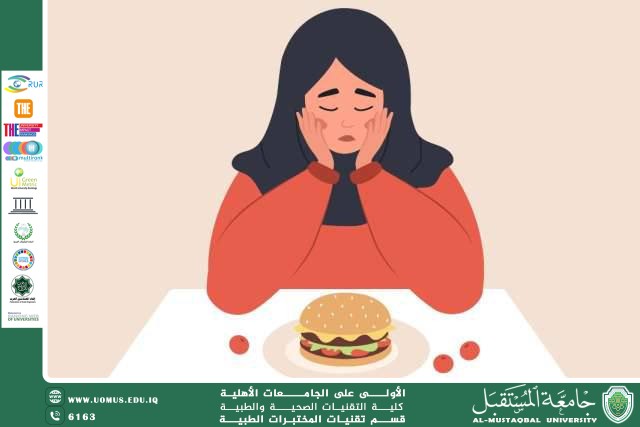
Eating Disorders مقالة علمية للسيدة ندى سعدي
05/03/2025 Share :
Eating Disorders<br /><br />Introduction<br />Eating disorders are serious mental health conditions that affect a person’s eating behaviors, thoughts, and emotions related to food and body image. These disorders can have severe physical and psychological consequences, sometimes leading to life-threatening complications. Eating disorders affect people of all ages, genders, and backgrounds. The most common types include anorexia nervosa, bulimia nervosa, and binge-eating disorder.<br /><br />Types of Eating Disorders<br /> 1. Anorexia Nervosa<br /> • Characterized by extreme food restriction, an intense fear of gaining weight, and a distorted body image.<br /> • People with anorexia often see themselves as overweight, even when they are dangerously underweight.<br /> • Symptoms include excessive dieting, extreme weight loss, excessive exercise, and a fear of eating certain foods.<br /> 2. Bulimia Nervosa<br /> • Involves cycles of binge eating followed by purging behaviors, such as vomiting, excessive exercise, or laxative use.<br /> • Individuals with bulimia often feel out of control during binge episodes and experience guilt and shame afterward.<br /> • Unlike anorexia, people with bulimia usually maintain a normal weight.<br /> 3. Binge-Eating Disorder (BED)<br /> • Characterized by recurrent episodes of eating large amounts of food in a short period, often without feeling hungry.<br /> • Unlike bulimia, there are no purging behaviors after binge eating.<br /> • It is the most common eating disorder and can lead to obesity and related health problems.<br /><br />Causes and Risk Factors<br />Eating disorders are caused by a combination of genetic, psychological, environmental, and social factors. Some common risk factors include:<br /> • Genetics: A family history of eating disorders increases the risk.<br /> • Psychological Factors: Low self-esteem, anxiety, depression, and perfectionism can contribute to eating disorders.<br /> • Cultural and Social Influences: Societal pressure to be thin, social media influence, and unrealistic beauty standards play a significant role.<br /> • Trauma and Stress: Past trauma, abuse, or high levels of stress can trigger eating disorders.<br /><br />Effects of Eating Disorders<br />Eating disorders can have serious consequences on both physical and mental health, including:<br /> • Malnutrition and severe weight loss (in anorexia)<br /> • Heart problems, kidney damage, and digestive issues<br /> • Hormonal imbalances, leading to irregular periods or infertility<br /> • Depression, anxiety, and suicidal thoughts<br /> • Social isolation and difficulty maintaining relationships<br /><br />Diagnosis and Treatment<br />Diagnosing eating disorders involves medical and psychological evaluations, including a review of eating habits, mental health, and physical health.<br /><br />Treatment options include:<br /> 1. Therapy: Cognitive-Behavioral Therapy (CBT) is commonly used to help individuals change unhealthy eating behaviors and thoughts.<br /> 2. Medical Care: Doctors and nutritionists may help manage physical health complications.<br /> 3. Medication: Antidepressants or anti-anxiety medications may be prescribed for co-existing mental health conditions.<br /> 4. Support Groups: Family and peer support play a crucial role in recovery.<br /><br />Conclusion<br />Eating disorders are complex but treatable conditions that require medical, psychological, and emotional support. Early intervention is crucial to prevent severe complications. Raising awareness about eating disorders can help reduce stigma and encourage those affected to seek help. Recovery is possible with the right treatment and support system.