The Role of Nutrition in Skin Health: A Plastic Surgeon’s Perspective
17/03/2025 Share :
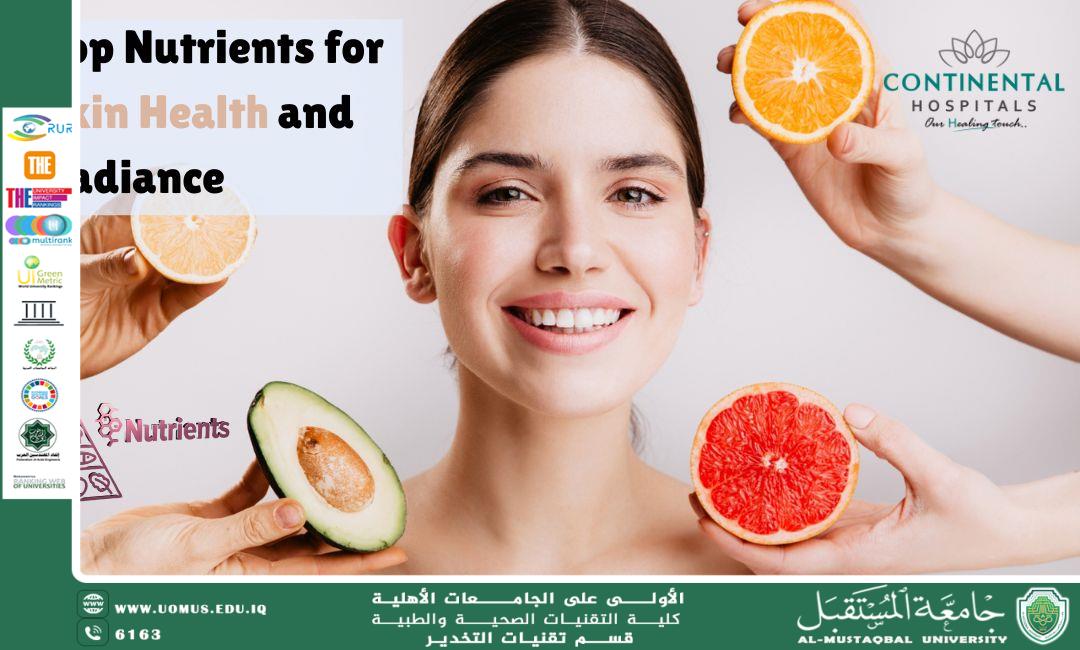
As a plastic surgeon, my primary focus is on enhancing and restoring the appearance of the skin through surgical and non-surgical interventions. However, I often emphasize to my patients that achieving and maintaining healthy, radiant skin goes beyond procedures and topical treatments—it starts with proper nutrition. The skin, being the body’s largest organ, is a reflection of overall health, and its condition is profoundly influenced by dietary choices. Here’s a deeper look at the role of nutrition in skin health from my perspective:<br /><br />1. Collagen Production and Skin Elasticity<br />Collagen is the structural protein responsible for skin strength and elasticity. As we age, collagen production naturally declines, leading to wrinkles and sagging skin. Nutrition plays a critical role in supporting collagen synthesis:<br /> • Vitamin C: Essential for collagen production, found in citrus fruits, strawberries, bell peppers, and broccoli.<br /> • Amino Acids: Proline and lysine, found in protein-rich foods like eggs, fish, and lean meats, are building blocks of collagen.<br /> • Copper and Zinc: Trace minerals that support collagen formation, available in nuts, seeds, and shellfish.<br /><br />2. Antioxidants and Skin Protection<br />Environmental factors like UV radiation and pollution generate free radicals, which damage skin cells and accelerate aging. Antioxidants neutralize these free radicals, protecting the skin:<br /> • Vitamin E: Found in nuts, seeds, and spinach, it protects cell membranes from oxidative damage.<br /> • Vitamin A: Promotes skin repair and regeneration, available in carrots, sweet potatoes, and leafy greens.<br /> • Polyphenols: Found in green tea, dark chocolate, and berries, they reduce inflammation and improve skin texture.<br /><br />3. Hydration and Skin Barrier Function<br />A well-hydrated skin barrier is essential for maintaining plumpness and preventing dryness. While topical moisturizers help, internal hydration is equally important:<br /> • Water: Adequate water intake is crucial for maintaining skin hydration.<br /> • Healthy Fats: Omega-3 fatty acids, found in fatty fish, walnuts, and flaxseeds, strengthen the skin barrier and lock in moisture.<br /><br />4. Inflammation and Skin Conditions<br />Chronic inflammation can exacerbate skin conditions like acne, eczema, and psoriasis. Anti-inflammatory foods can help manage these issues:<br /> • Omega-3 Fatty Acids: Found in salmon, chia seeds, and avocados, they reduce inflammation and promote healing.<br /> • Turmeric: Contains curcumin, a potent anti-inflammatory compound.<br /> • Probiotics: Found in yogurt, kefir, and fermented foods, they support gut health, which is closely linked to skin health.<br /><br />5. Wound Healing and Recovery<br />For patients undergoing surgical procedures, nutrition plays a vital role in wound healing and recovery:<br /> • Protein: Essential for tissue repair and regeneration.<br /> • Vitamin K: Supports blood clotting and wound healing, found in leafy greens and broccoli.<br /> • Iron: Prevents anemia, which can impair healing, available in red meat, beans, and fortified cereals.<br /><br />6. Glycation and Skin Aging<br />High sugar intake can lead to glycation, a process where sugar molecules attach to proteins like collagen, causing them to stiffen and break down. This results in premature aging, including wrinkles and loss of elasticity. Reducing refined sugar intake and opting for low-glycemic foods can mitigate this effect.<br /><br />Practical Tips for Patients<br /> • Balanced Diet: Emphasize a diet rich in fruits, vegetables, lean proteins, and healthy fats.<br /> • Supplements: Consider supplements like collagen peptides, vitamin C, and omega-3s if dietary intake is insufficient.<br /> • Limit Processed Foods: Avoid foods high in sugar, trans fats, and artificial additives.<br /> • Stay Hydrated: Drink plenty of water and incorporate hydrating foods like cucumbers and watermelon.<br /><br />Conclusion<br />While plastic surgery and cosmetic treatments can address specific skin concerns, long-term skin health is deeply rooted in nutrition. As a plastic surgeon, I encourage my patients to view their diet as a foundational component of their skincare regimen. By nourishing the body from within, they can enhance the results of their treatments and maintain healthy, youthful skin for years to come.<br />Dr.Hussein Safaa<br />Plastic Surgeon<br />Al-Mustaqbal University is the first university in Iraq