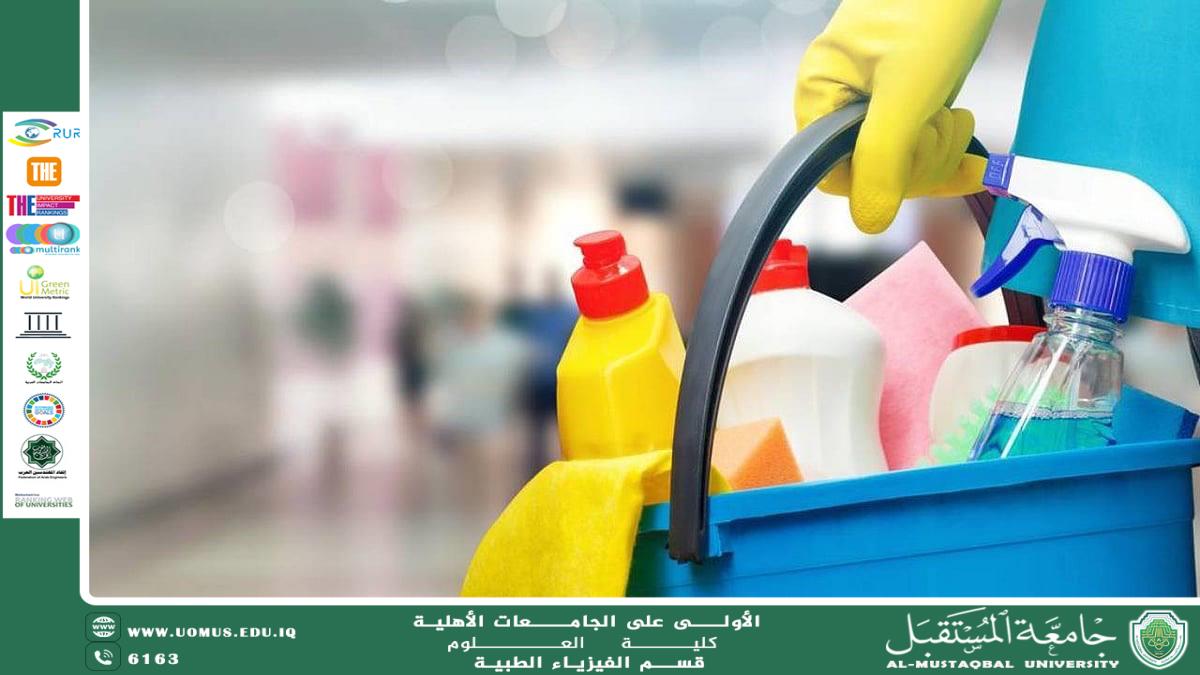
Chemical Cleaners: Between Cleanliness and Health Risks Artical By Msc.Lubna Ali
18/03/2025 Share :
<br />Chemical cleaners have become an essential part of modern life. They play a crucial role in maintaining household and environmental cleanliness, promoting a sense of comfort and hygiene. However, these seemingly harmless cleaners carry significant health and environmental risks if misused or if safety precautions are not followed when handling<br /> them.<br /><br />Chemical Components in Cleaners and Their Effects<br />Most commercial cleaners contain powerful chemical substances that make them effective in removing dirt and stains. Some of these substances include:<br /><br />Ammonia: Used to dissolve grease, but it can cause irritation to the respiratory system and eyes.<br />Chlorine: A powerful disinfectant, but when mixed with other substances like ammonia, it can release toxic gases.<br />Organic Solvents: Such as ethanol, which helps remove stains but can harm the liver and nervous system with prolonged exposure.<br />Inhaling the fumes from these chemicals or direct skin contact can lead to health problems, including eye and skin irritation, as well as respiratory allergies.<br /><br />Long-Term Health Effects<br />Continuous exposure to chemical cleaners may result in more severe health conditions, such as:<br /><br />Respiratory Diseases: Conditions like asthma or lung function deterioration due to inhaling toxic fumes.<br />Hormonal Disruptions: Some cleaners contain substances that affect endocrine function.<br />Skin Allergies: Prolonged exposure may cause contact dermatitis.<br />Environmental Impacts<br />Chemical cleaners significantly affect the environment. When discharged into wastewater systems, they may reach rivers and lakes, causing:<br /><br />Water Pollution: Some cleaners contain phosphates, which promote excessive algae growth, leading to oxygen depletion in water bodies.<br />Harm to Marine Life: Residual toxins in water can negatively impact fish and other aquatic organisms.<br />Soil Contamination: When cleaners seep into the ground, they can alter the chemical properties of the soil.<br />Safer Alternatives and Responsible Use<br />To minimize health and environmental risks, consider the following steps:<br /><br />Read Labels Carefully: Ensure awareness of product ingredients and usage instructions.<br />Proper Ventilation: Use fans or open windows when using chemical cleaners.<br />Use Natural Alternatives: Vinegar and baking soda are safe and effective substitutes for many cleaning needs.<br />Avoid Random Mixing: Combining chlorine with ammonia, for instance, can produce toxic gases.<br />While chemical cleaners remain an integral part of daily life, increasing awareness of their usage is essential. Following safety guidelines and opting for eco-friendly alternatives can help protect both human health and the environment. Cleanliness is vital, but it should not come at the cost of our well-being or the planet’s sustainability.<br />"AL_mustaqbal University is the first university in Iraq"