The Influenza Virus: Causes, Symptoms, and Prevention
23/03/2025 Share :
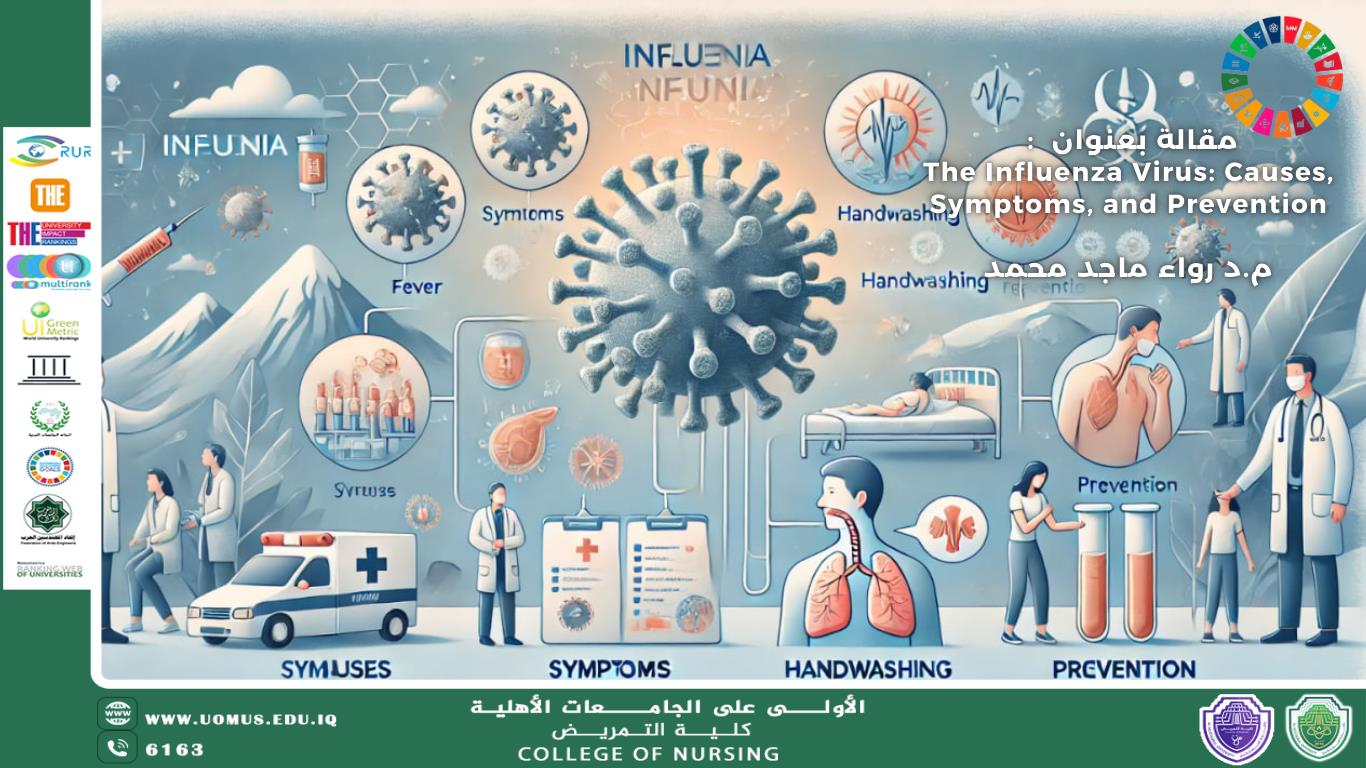
Influenza, commonly known as the flu, is a highly contagious viral infection that affects the respiratory system. It is caused by the influenza virus, which has several strains that evolve over time. The flu spreads easily from person to person through respiratory droplets when an infected individual coughs, sneezes, or talks. This article will explore the causes, symptoms, and prevention of influenza.<br /><br />Causes and Transmission<br />Influenza is caused by different types of influenza viruses, primarily Influenza A and Influenza B. These viruses constantly mutate, leading to new strains each year. The flu spreads through direct contact with infected individuals or contaminated surfaces. When people touch their mouth, nose, or eyes after coming into contact with the virus, they increase their risk of infection. Crowded places, such as schools, offices, and public transportation, are common environments for flu transmission.<br /><br />Symptoms of Influenza<br />The flu has a sudden onset and can cause mild to severe illness. Common symptoms include:<br /><br />High fever and chills<br /><br />Sore throat and cough<br /><br />Runny or stuffy nose<br /><br />Muscle aches and body pain<br /><br />Fatigue and weakness<br /><br />Headache<br /><br />In some cases, vomiting and diarrhea (more common in children)<br /><br />While most people recover within a week or two, influenza can lead to severe complications such as pneumonia, bronchitis, or worsening of pre-existing medical conditions, especially in young children, the elderly, and individuals with weakened immune systems.<br /><br />Prevention and Treatment<br />The best way to prevent influenza is through vaccination. The flu vaccine is updated annually to protect against the most common virus strains. Other preventive measures include:<br /><br />Practicing good hygiene, such as frequent handwashing with soap and water<br /><br />Avoiding close contact with infected individuals<br /><br />Covering the mouth and nose when coughing or sneezing<br /><br />Maintaining a healthy lifestyle to strengthen the immune system<br /><br />For those infected, antiviral medications may be prescribed to reduce the severity and duration of symptoms. Rest, hydration, and over-the-counter medications can also help manage flu symptoms.<br /><br />Conclusion<br />Influenza remains a significant public health concern due to its ability to spread quickly and cause serious complications. Awareness of its causes, symptoms, and prevention methods is essential for reducing its impact. By taking the necessary precautions, such as getting vaccinated and practicing good hygiene, individuals can protect themselves and others from this common yet potentially dangerous virus.<br />(This article comes within the framework of achieving the third goal of the Sustainable Development Goals: Good health and well-being.)<br />Dr.Rawaa M. Mohammed<br />AL MUSTAQBQL UNIVIRCITY THE FIRST IN IRAQ.