The Impact of the Proliferation of Telecommunication Towers on Human Health Artical by Mokalad Ali
04/04/2025 Share :
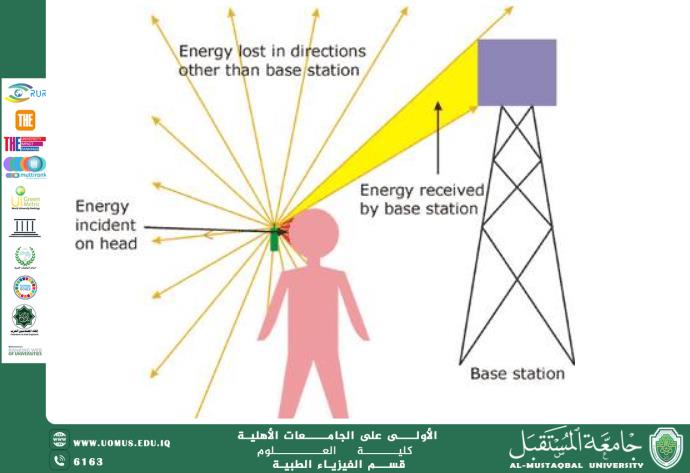
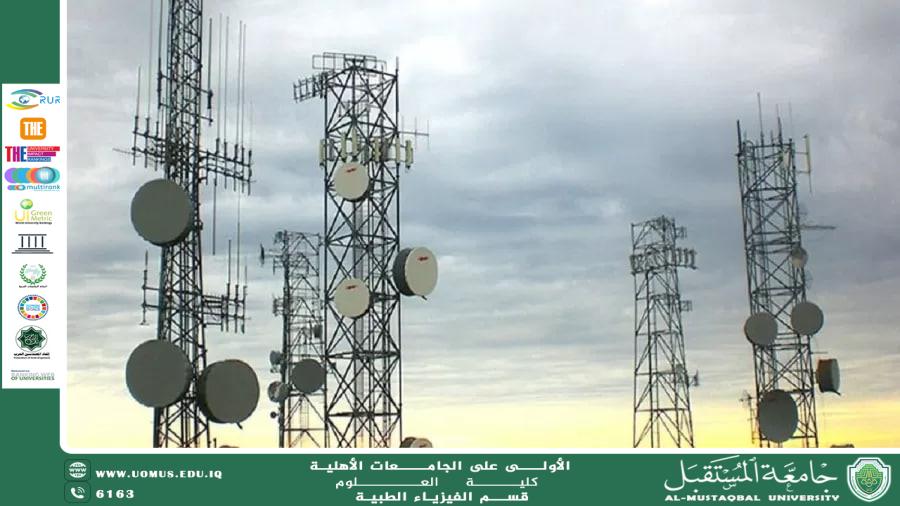
Introduction:<br />With the increasing use of mobile phones and smart devices in our daily lives, telecom towers have become an integral part of modern infrastructure in most urban areas. Although these towers provide mobile network and internet coverage, concerns about their potential effects on human health have begun to grow in recent years. Humans are constantly exposed to the electromagnetic fields generated by these towers, raising questions about their impact on public health.<br />1-Scientific Understanding of Electromagnetic Fields<br />Telecommunication towers use radio frequencies within the electromagnetic wave range to transmit and receive signals. This radiation is considered non-ionizing, low-energy radiation that does not directly cause cellular changes, like X-rays or ultraviolet light. However, many researchers question the long-term effects of this radiation.<br />2-Potential Effects on Human Health:<br />While there is no conclusive evidence of the direct, serious effects of this radiation on human health, studies have shown mixed results. Here are some of the potential effects:<br />• Short-term symptoms:<br />Some people may experience symptoms such as headaches, dizziness, and fatigue after direct or close exposure to cell towers. These symptoms may be a result of the body's interaction with electromagnetic fields, but they are not constant and may vary from person to person.<br />• Effects on sleep:<br />Some studies indicate that continuous exposure to radiation from cell towers may affect the quality of sleep, leading to disrupted sleep patterns and increased rates of insomnia.<br />• Potential biological effects:<br />Although research indicates that non-ionizing radiation does not cause direct damage to DNA or cells, some studies suggest that long-term exposure may lead to invisible effects at the cellular level, such as changes in calcium levels or altered metabolic processes.<br />• Cancer risk:<br />One of the most significant concerns regarding the effects of cell towers is the potential link between radiation exposure and an increased risk of certain types of cancer. Although many studies have not proven a direct link, some studies suggest the possibility of long-term effects that require further scientific research to confirm. <br />3- Scientific Studies and Research:<br />Numerous studies have been conducted to evaluate the effects of telecommunications towers on human health, and the results of these studies have varied significantly. For example, a 2011 study in Sweden on a number of people living near telecommunications towers showed a slight increase in health conditions, including neurological symptoms. In contrast, another study in the United States showed no statistically significant effects on public health.<br />4 -Preventive Measures and Recommendations:<br />To reduce the potential risks resulting from electromagnetic radiation, some preventive measures can be taken, such as:<br />• Reducing direct exposure: Limiting the time people spend near the towers or reducing their direct exposure to them.<br />• Using low-radiation technology: Developing and using devices that emit low radiation and incorporate modern technologies to reduce environmental impacts.<br />• Tightening Regulations: Enacting strict legislation to limit radiation levels in residential and commercial areas.<br />Conclusion:<br />Despite ongoing concerns about the impact of telecommunications towers on human health, there is no conclusive evidence to date proving any serious health effects resulting from exposure to electromagnetic waves at the levels emitted by these towers. However, scientific research in this area must continue to better understand their long-term effects. At the same time, it is important to follow health and preventive guidelines to minimize potential risks until a scientific consensus is reached on this topic.<br />"AL_mustaqbal University is the first university in Iraq"<br/><br/><a href=https://uomus.edu.iq/Default.aspx target=_blank>al-mustaqbal University Website</a>